
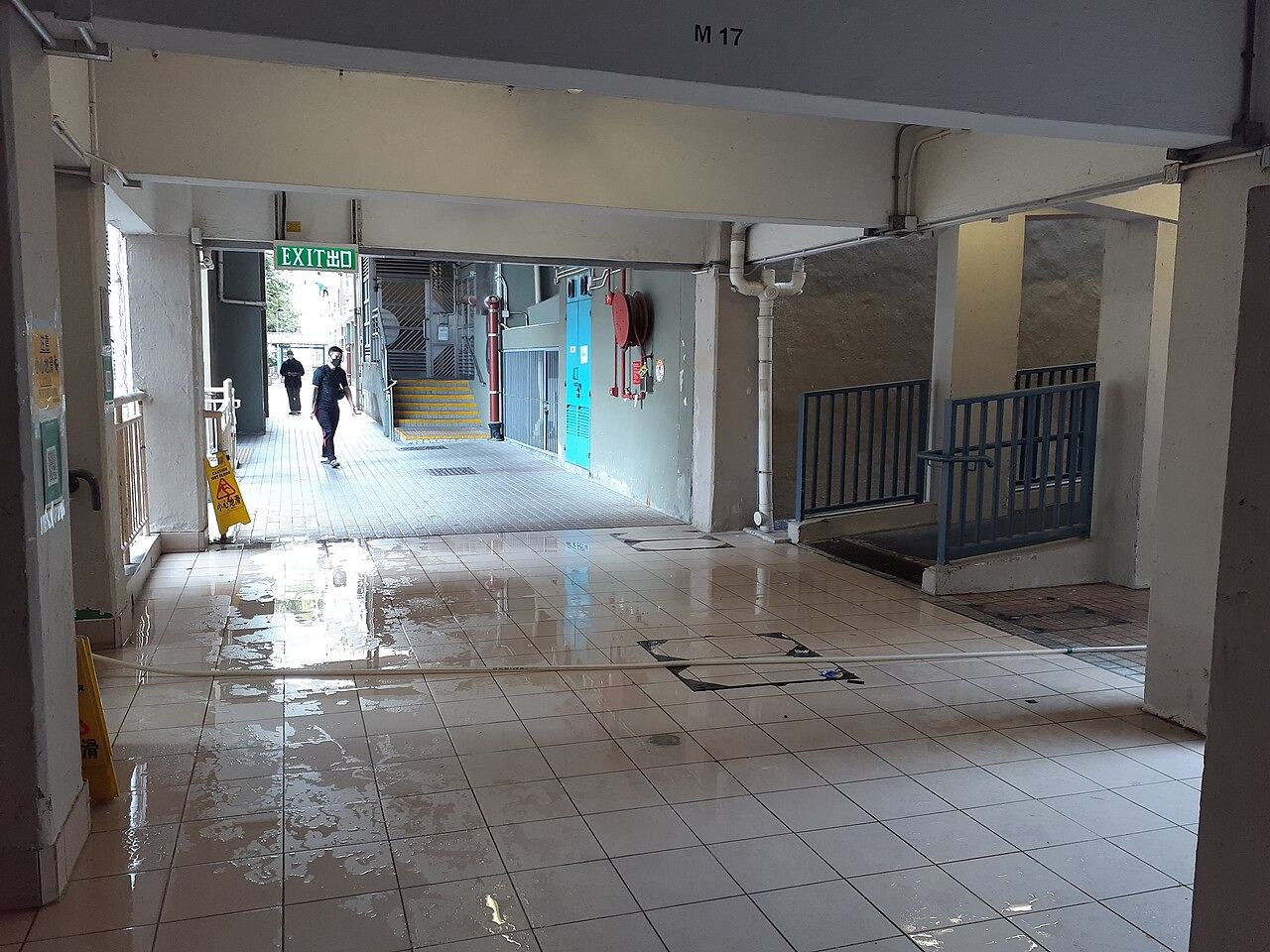
Water Extraction
Pumps and wet vacs for standing water in a room, a garage, or a low area, with moisture checks after the water is out.
Learn more about water extraction in Rockwall, TX
Repair is what puts a home back together after the water is out.
One call connects you with a local provider serving Rockwall, Rowlett, Fate, and Heath.
Water damage repair in Rockwall TX is the work that puts a home back together after the water is out. Extraction removes the standing water and drying removes the moisture that soaked into floors, walls, and framing. Repair is what follows: ruined drywall comes out, wet flooring and baseboards are replaced, and the room is finished again so it looks the way it did before the water came in. Rockwall homes face a particular mix of causes. The city sits on the eastern shore of Lake Ray Hubbard, about 25 miles northeast of downtown Dallas, and lake humidity keeps drying times honest for homes near the water. Under the city is Blackland Prairie clay, which swells up to 30% when wet and moves with the seasons, so slab foundations and the pipes under them take real stress. Homes in Chandlers Landing and The Shores, close to the lake, more often deal with storm water and high water, while homes in Breezy Hill, Stone Creek, and Downtown Rockwall more often deal with plumbing leaks, burst pipes, and drainage problems. Nearby Rowlett, Fate, and Heath face the same mix of causes, in the 75032 and 75087 ZIP codes. This page explains what water damage repair covers, what gets repaired after different kinds of water damage, why repair follows drying instead of coming first, and what happens when you call. If your home has water damage now, the practical next step is a phone call, so a local provider can arrange a visit and see what needs repairing.
Updated: November 2026
Water damage repair in Rockwall TX runs in order, and the order is what makes the repair last. First the water coming in is stopped, whether that means shutting off a supply line, clearing a drain, or waiting out a storm. Then the standing water is removed with pumps and wet vacuums, and the water is taken out of the building and away from the foundation. After that comes drying, with air movers and dehumidifiers placed in the affected rooms and moisture readings taken to track progress.
Only when the readings show the structure is dry through does repair begin. A provider checks which materials can be saved and which have to come out. Drywall that stayed wet, flooring that cupped or buckled, and insulation that soaked through are removed. Materials that dried clean stay in place. Then the room is rebuilt in the same order it was built: subfloor and framing first, then drywall, then flooring, then baseboards and trim, then paint. Skipping the drying step and repairing over damp materials traps moisture behind new drywall, and that is how odors and mold start in a room that looks finished.
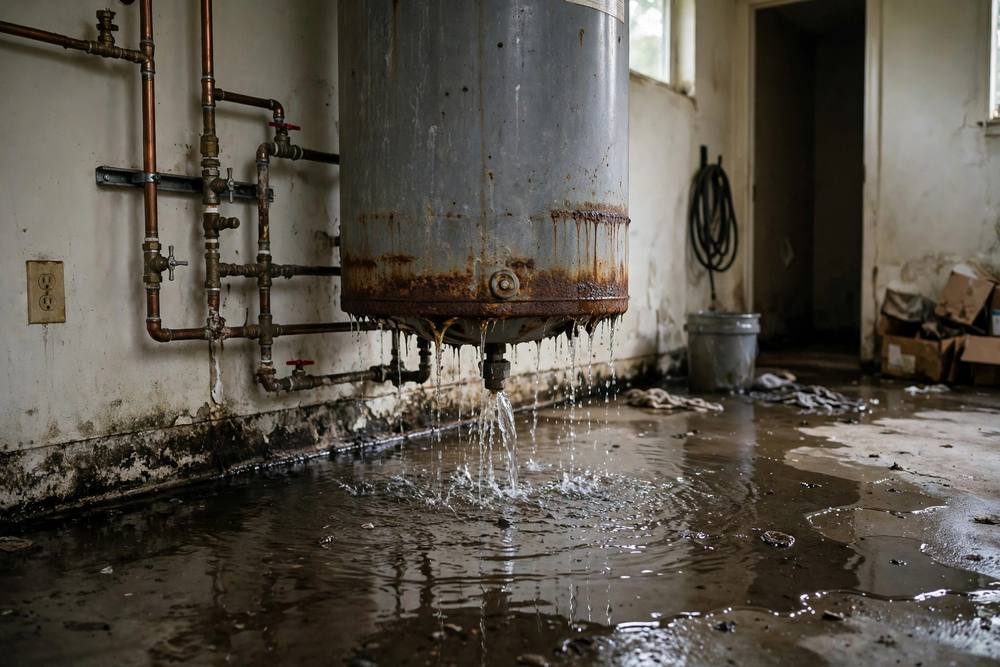
Different materials fail in different ways, and the repair changes to match. Drywall soaks up water from the bottom edge, swells, and loses strength, so a provider usually cuts it back to above the water line and replaces it. Hardwood and engineered wood floors cup and buckle when they absorb water, and some boards can be saved by drying while others have to be replaced and refinished to match. Baseboards and trim wick water up from the floor and are often replaced along with the drywall behind them. Insulation that got wet is removed, because it does not dry reliably inside a wall cavity. Repair starts after the structure tests dry — see how structural drying in Rockwall works.
Rooms change the work as well. In a kitchen, water often comes from a dishwasher, a refrigerator line, or a sink supply pipe, and it spreads across a hard floor before it finds its way under cabinets and into the subfloor, so cabinet bases and toe kicks are part of the repair. In a bathroom, water can come from a toilet, a shower, or a bath, and it can spread into the hallway and into neighboring rooms. In a garage, water after heavy rain can be several inches deep, and the repair often means the lower sections of walls and any stored items that were soaked. On an upper floor, a common Rockwall problem is an air conditioner condensate overflow: attic air handlers in homes built from the 1990s onward drip condensate to a pan and out a thin drain line, and a clogged or rusted pan overflows onto attic decking and insulation and down through the ceiling, so the repair includes the ceiling below and the insulation above it.
Repairing a room before it is dry is the most common way a water damage job goes wrong. Carpet and pad usually take 2 to 4 days to dry if the water was clean and the work started quickly. Hardwood floors usually take 7 to 10 days, and up to one to three weeks. A concrete slab takes a week or more. Professional structural drying usually takes 3 to 7 days with commercial equipment running continuously. Those are typical ranges, and the moisture readings in your home decide the real number. What the work involves also decides what it costs — read how water damage costs are worked out in Rockwall.
The reason for the wait is mold. Mold starts 24 to 48 hours after water damage, and it grows fastest in damp drywall, insulation, and wood framing that looks dry on the surface. That is why a provider keeps the equipment running until the readings show the structure is dry through, not just until the floor looks dry, and why indoor humidity is brought below 60%, ideally to between 30 and 50%. A room that is repaired while the framing is still damp can look finished for a few weeks and then show musty odors, staining, and soft drywall as the trapped moisture works its way out.
Rockwall's soil adds a reason to get the order right. The city sits on Blackland Prairie clay that swells up to 30% when wet, and most North Texas homes built after 1970 sit on slab foundations. The upper 5 to 15 feet of soil is the active zone, moving with the seasons: drought shrink in August and September, swell with fall storms, winter freezes, and spring saturation. A slab leak from a supply line or a drain line can soak the soil under a slab and show up as damp flooring or a warm spot on the floor, and the repair for that starts with finding the leak, not with new flooring. Poor drainage is the most common controllable cause of foundation damage, so a provider will also look at where water pools against the house.
Your safety comes first, and a damaged room can hide hazards. Do not walk through water that may be contaminated, and do not touch electrical outlets, switches, or appliances that have been in contact with water. Flood water is contaminated and is treated as Category 3 water. If water has reached a breaker panel or an appliance, leave it alone and mention it on the call. Before going back inside after a flood, check for damaged power and gas lines and foundation cracks. If you smell gas or hear hissing, leave and call the fire department.
If it is safe to move around, take photos of every affected room, including the water line on walls and furniture, before anything is moved or cleaned. Those photos give you a clear record of what happened and help with an insurance claim. Move dry items to a safe place if you can do so without walking through the water, and set aside anything that was soaked so a provider can see it. Do not pull up flooring, cut into walls, or paint over damp drywall yourself before a provider has seen the damage. Cutting into a wet wall spreads moisture, and paint over damp drywall seals it in. Note when the water appeared and how high it reached, and keep a list of items that were in contact with the water.
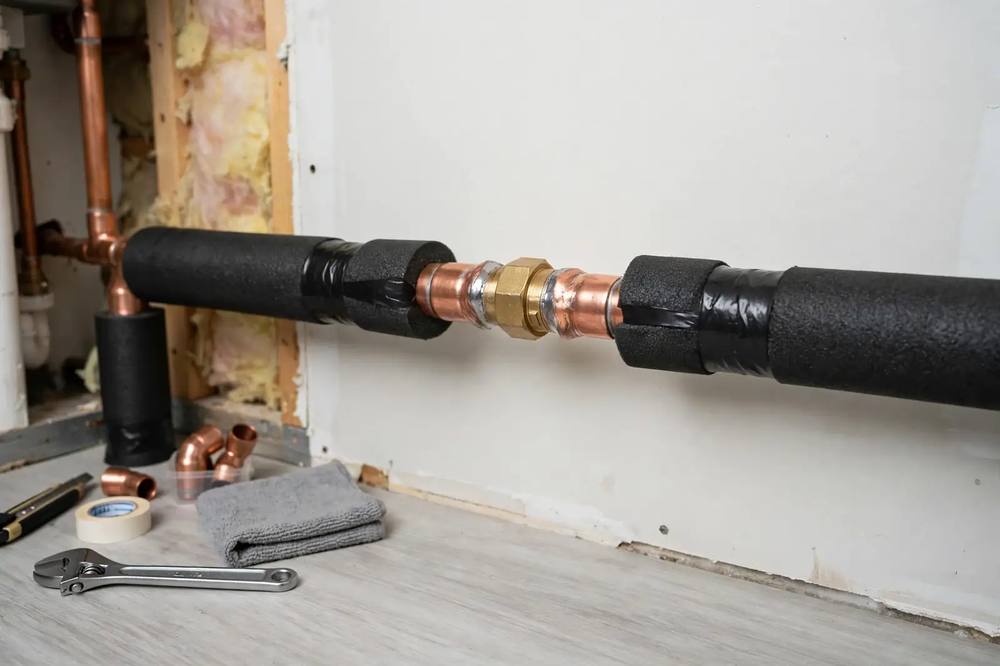
Water damage repair in Rockwall TX covers homes across the city and the nearby communities of Rowlett, Fate, and Heath. The work changes with the neighborhood. Chandlers Landing, the gated lakefront community established in 1974 with more than 800 homes, and The Shores, the golf-course community in north Rockwall, sit close to Lake Ray Hubbard, where lake humidity raises drying times and storm water is the usual cause. Breezy Hill and Stone Creek, the newer master-planned communities in north Rockwall and near I-30, more often deal with new-construction plumbing and drainage. Downtown Rockwall, around the 1941 courthouse square, has older homes where a burst pipe or a slow leak can run for days before it shows.
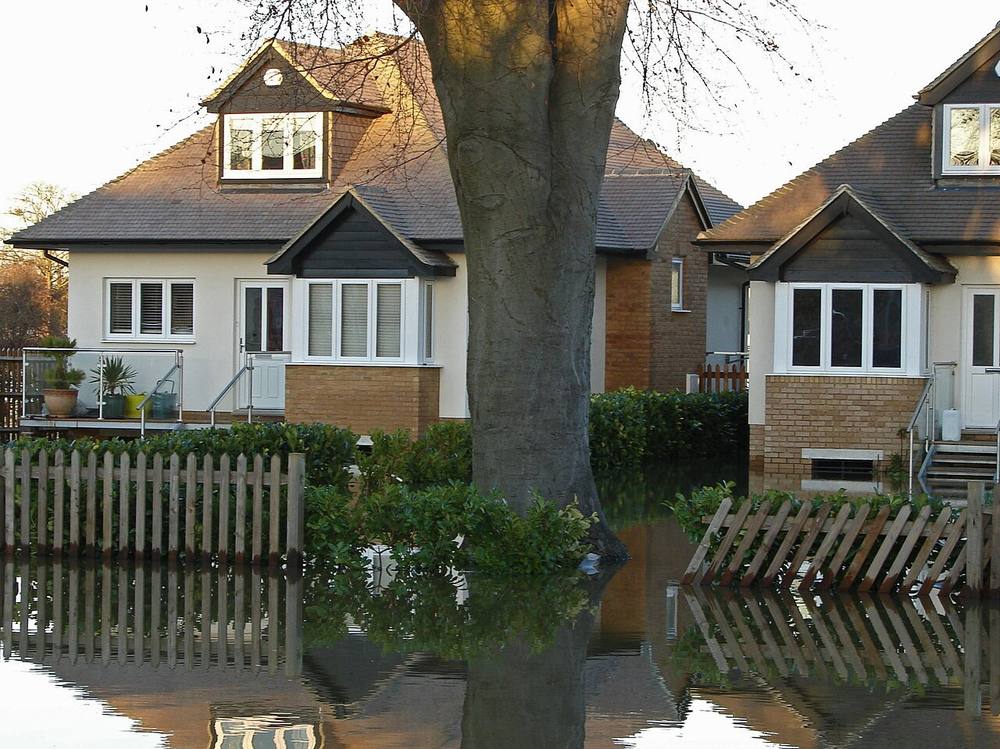
Most of Rockwall is mapped FEMA Zone X, outside the 100-year floodplain, but the risk concentrates in a few spots: Lakeside Drive in Lake Rockwall Estates, where homes have flooded with water reaching front doors, the tributaries of Squabble Creek, which runs about 4.2 miles from springs near the municipal airport northwest to the lake, and Buffalo Creek toward Heath. Low lots along the lake shoreline are the other risk area. A provider who knows these spots will ask where the water came from before deciding what the repair needs, because water from a lake or a creek is handled differently from water from a supply pipe.
Calling is simple, and you talk to a real person who connects you with a local provider serving Rockwall. Here is how it usually goes, from the first call to finished repairs.
Call (945) 422-7610. Tell us where the water is, how long it has been there, and if power or sewage is involved.
A local provider checks the source and uses a moisture meter to find water behind drywall and under flooring.
Standing water comes out with pumps and extractors. Wet padding and damaged drywall are flagged for removal.
Air movers and dehumidifiers dry the structure, not just the surface. Readings are taken until wood and drywall test dry.
Ruined drywall, flooring, and trim are replaced and painted to match the existing finishes, so the room looks the way it did before the water came in.
Other help a local provider can connect you with.
Pumps and wet vacs for standing water in a room, a garage, or a low area, with moisture checks after the water is out.
Learn more about water extraction in Rockwall, TX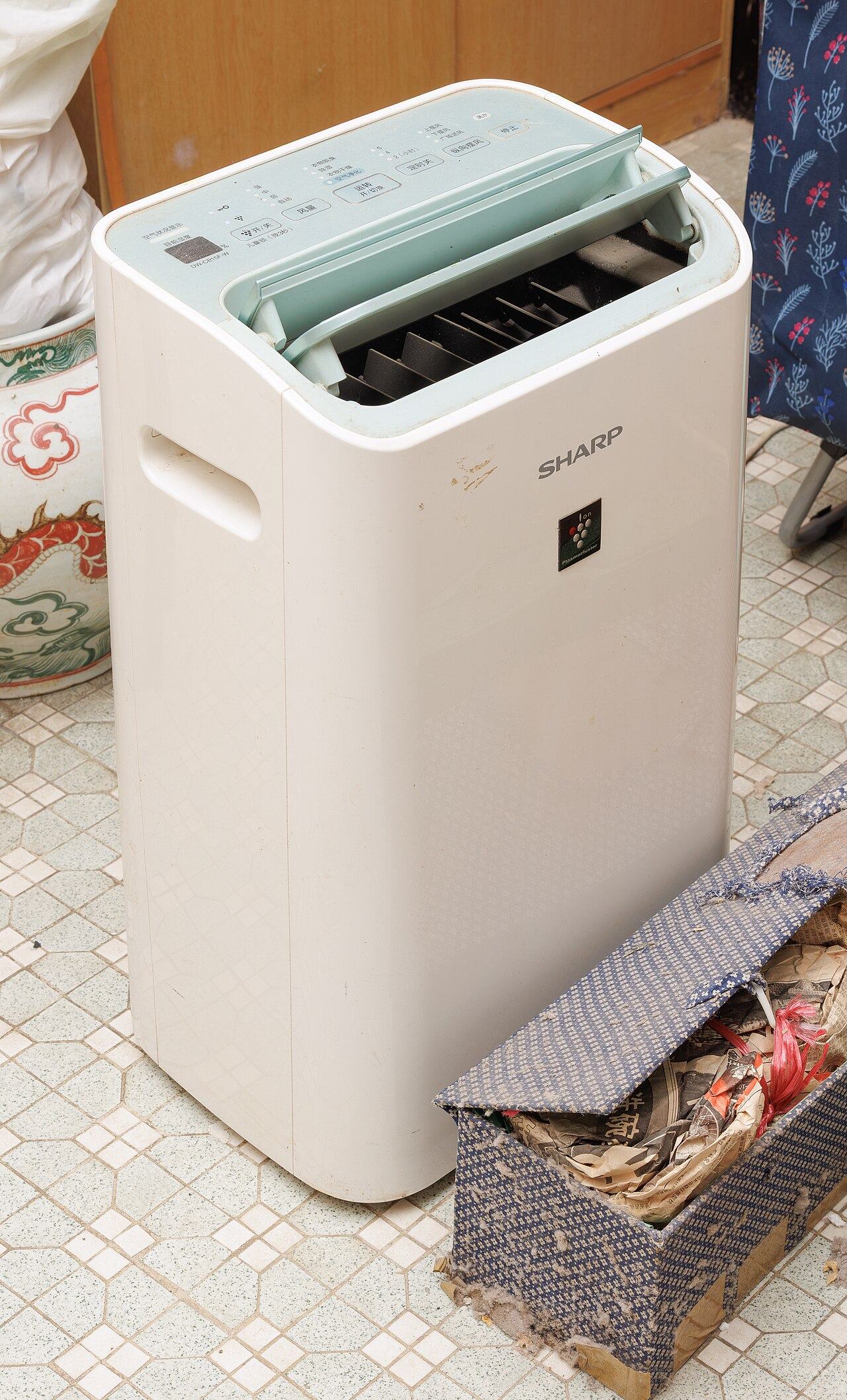
Air movers and dehumidifiers that dry framing, drywall, and slab, verified by moisture readings before repair begins.
Learn more about structural drying in Rockwall, TX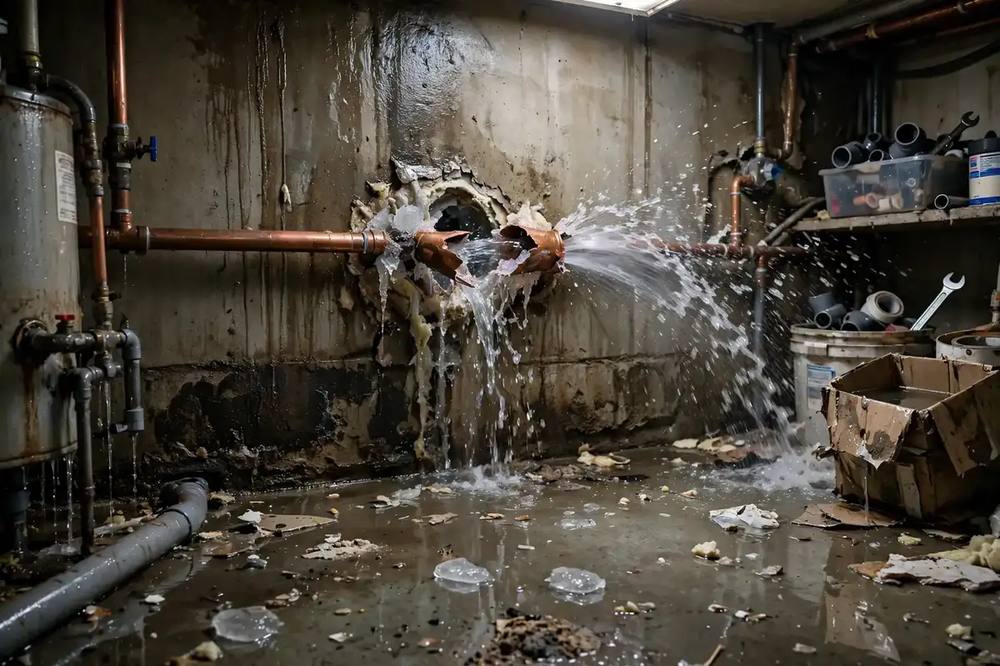
Fast extraction and drying when a pipe bursts in an attic, a wall, or under a slab.
Learn more about burst pipe cleanup in Rockwall, TXIf your Rockwall home has water damage, call (945) 422-7610 any time, day or night. A local provider will talk through what has happened, explain what needs to happen next, and arrange a visit to your home in Rockwall County. Water damage does not get better by itself, and the longer it sits, the further it soaks into floors and walls, so make the call as soon as you notice it.
It runs in order. The water coming in is stopped first, then the standing water comes out with pumps for deep water and extractors for shallow water and soaked flooring. Then the provider checks how far the water spread under floors and behind walls. Then the structure is dried with air movers and dehumidifiers, and the moisture is checked again before the drying finishes. Only then does repair begin, with ruined drywall, flooring, and trim replaced and painted to match.
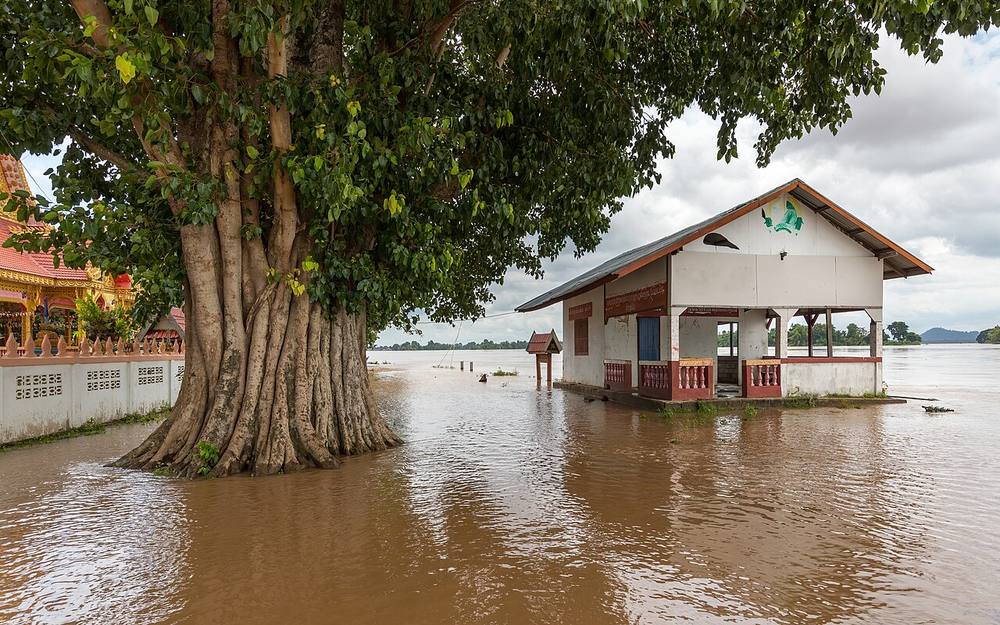
Rockwall's record shows why the order matters. The National Oceanic and Atmospheric Administration counts flash flooding in Rockwall on 24 days from 1996 through 2026, most recently in May 2026. On May 27, 2026, the Weather Prediction Center estimated 6 to 8 inches of rainfall, especially in and near Sherman, McKinney, and Rockwall. A flash flood warning was also issued for Rockwall County on December 26, 2024. Water that comes in during a storm like that has run across streets and yards, and it carries what it picked up along the way, so it is treated as contaminated water.
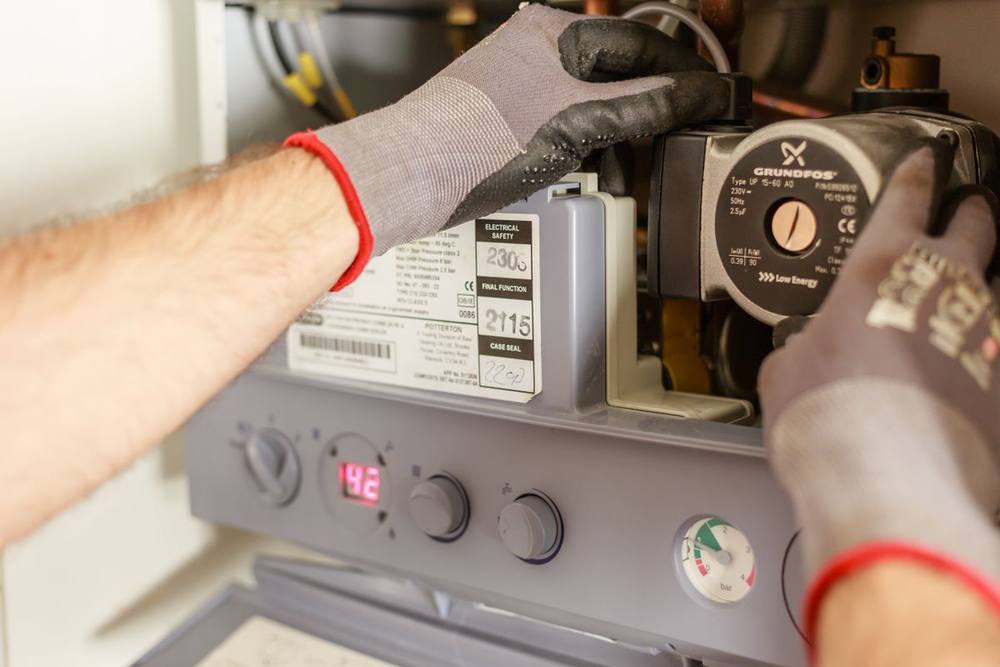
Winter is the other season that fills repair schedules. During Winter Storm Uri in February 2021, the Dallas-Fort Worth low reached minus 2 degrees Fahrenheit, and temperatures stayed at or below freezing for 139 consecutive hours. Pipes that split in that kind of freeze leak into attics, walls, and slabs, and the repair for a burst pipe is different from the repair for storm water, because the water is clean but the damage is hidden until it shows as a stain or a soft spot.
Insurance is the part homeowners ask about most. Most Texas home policies cover sudden, accidental water damage, such as a burst pipe, a toilet overflow, or a broken washer hose, but they usually exclude slow leaks, flood water, and, on many policies, sewer backups. A standard Texas homeowners policy does not cover flood damage. Flood cover needs a separate policy from the National Flood Insurance Program or a private insurer, and most flood policies have a 30-day waiting period before cover starts. A provider documents the damage with moisture readings and photos, which helps with a claim, and a call is the way to get that process started.
One call connects you with a local provider serving Rockwall, Rowlett, Fate, and Heath. Tell the provider where the water is and what happened, and they take it from there.
Call (945) 422-7610Water damage repair in Rockwall TX is the rebuilding that follows extraction and drying. Once the standing water is out and the structure tests dry, a provider repairs what the water damaged: drywall, flooring, baseboards and trim, insulation, and paint. Extraction removes the water, drying removes the moisture, and repair puts the room back the way it was.
Extraction removes standing water with pumps and wet vacuums. Drying removes the moisture that soaked into floors, walls, and framing, using air movers and dehumidifiers with moisture readings to track progress. Repair comes after both: it replaces ruined drywall and flooring, refits trim, and repaints. Repairing before the structure is dry traps moisture behind new materials, so the order matters.
It depends on how much was damaged and how long the structure takes to dry. Professional structural drying usually takes 3 to 7 days with commercial equipment running continuously. Hardwood floors usually take 7 to 10 days, and up to one to three weeks. A concrete slab takes a week or more. Carpet and pad usually take 2 to 4 days if the water was clean and the work started quickly. Repair starts after the readings show the structure is dry, so a provider can give a clearer picture after seeing the affected rooms.
Most Texas home policies cover sudden, accidental water damage, such as a burst pipe, a toilet overflow, or a broken washer hose, but they usually exclude slow leaks, flood water, and, on many policies, sewer backups. Flood damage from rising water needs a separate flood policy, which usually has a 30-day waiting period before cover starts. A provider documents the damage with moisture readings and photos, which helps with a claim. Call a local provider and describe what happened so they can advise on the next step.
You can usually stay in your home during water damage repair as long as essential utilities like electricity and plumbing remain functional. A provider sets up containment barriers to isolate the work zone and protect your living space from dust and debris. If extensive demolition makes the kitchen or bathrooms unusable, a provider will discuss temporary arrangements with you.
You can call any time, day or night, including weekends. A local provider will take your details, ask where the water is and what happened, and arrange a visit. If water is still coming into the home, mention that on the call so the provider can advise on what to do first.
If you see water, smell mustiness, or hear running water when nothing is on, call now. Water damage does not wait, and neither should you.
Call (945) 422-7610Calls answered any time, day or night — including nights, weekends, and holidays.