Mold Remediation
Containment and cleaning for musty smells and mold after a leak that was not dried in time.
Learn more →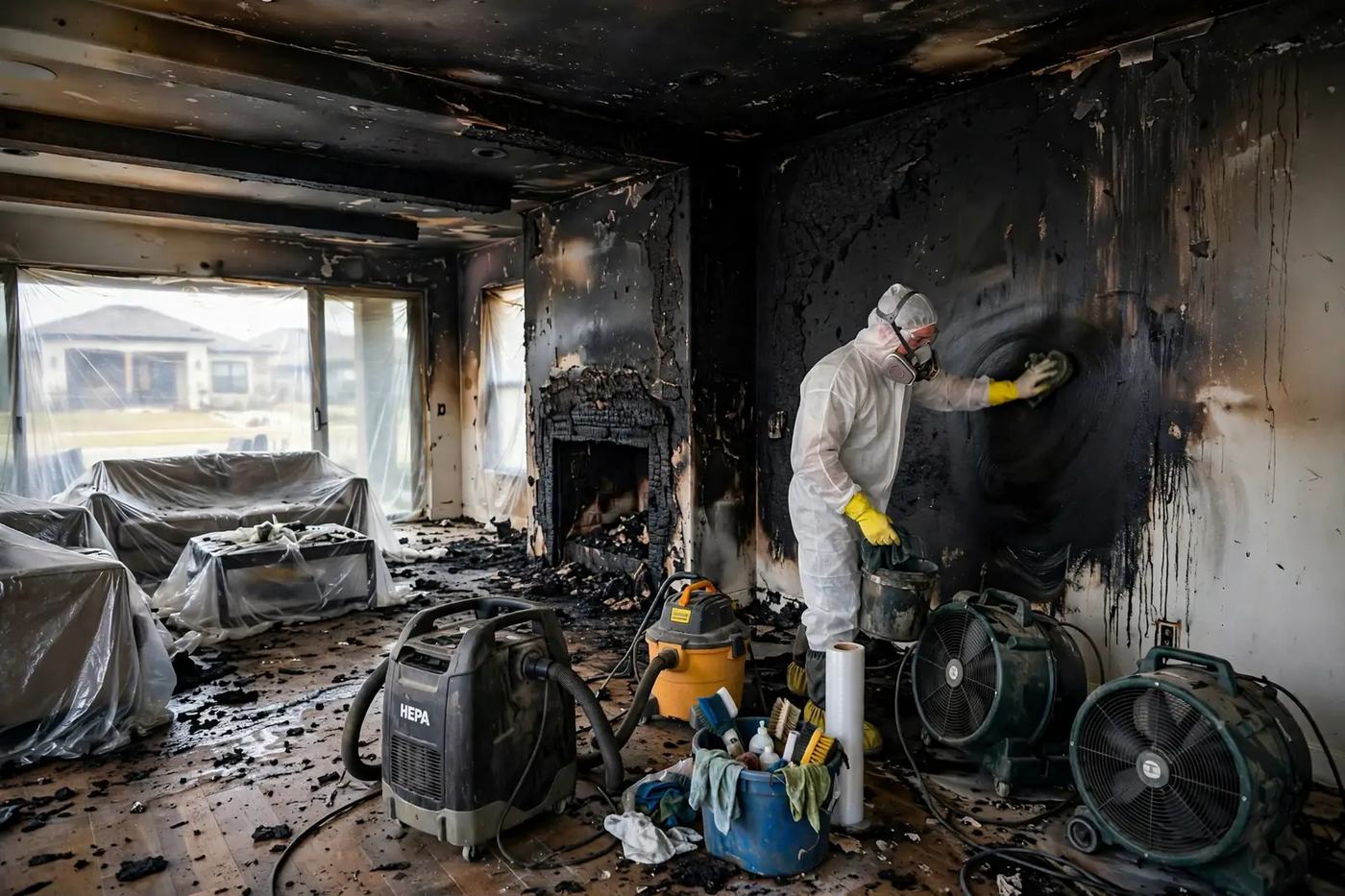
A kitchen fire in a Rockwall home rarely ends when the flames go out.
One call connects you with a local provider serving Rockwall, Rowlett, Fate, and Heath.
A kitchen fire in a Rockwall home rarely ends when the flames go out. The fire itself may have been small, but the soot it leaves behind settles into walls, cabinets and soft furnishings, and the water used to put it out soaks into flooring and drywall. Both problems need attention, and neither one waits politely while you decide what to do. That is why fire damage work in Rockwall is really two jobs in one: cleaning up the fire, and drying out the water. This site connects people in Rockwall and Rockwall County with local providers who handle fire damage restoration, including soot cleaning, smoke odor removal and drying. When you call (945) 422-7610, you can describe what happened in your own words, ask what to do next, and connect with a provider serving your part of town, whether that is Downtown Rockwall, The Harbor, Chandlers Landing or a neighborhood along SH-205. Calls are answered any time, day or night.
Updated: November 2026
After a fire, the damage you can see is only part of the story. Soot is fine, dark and oily, and it clings to every surface it touches. It settles on walls and ceilings, works its way into cabinets, and drifts into rooms that were never near the flames. Left alone, it keeps staining, and the smell that comes with it settles in deeper the longer it sits. Wiping a surface once is rarely enough, because the soot has already worked into the paint and the pores of the material beneath.
Then there is the water. A kitchen fire that is put out with water leaves the room wet in a way that has nothing to do with a leaking pipe. Water runs across the floor, under cabinets, into the drywall at the base of the walls and down into the rooms below if the fire was upstairs. That water needs removing and the wet materials drying, just as after any other leak, and a provider who handles both sides can deal with the soot and the water together.
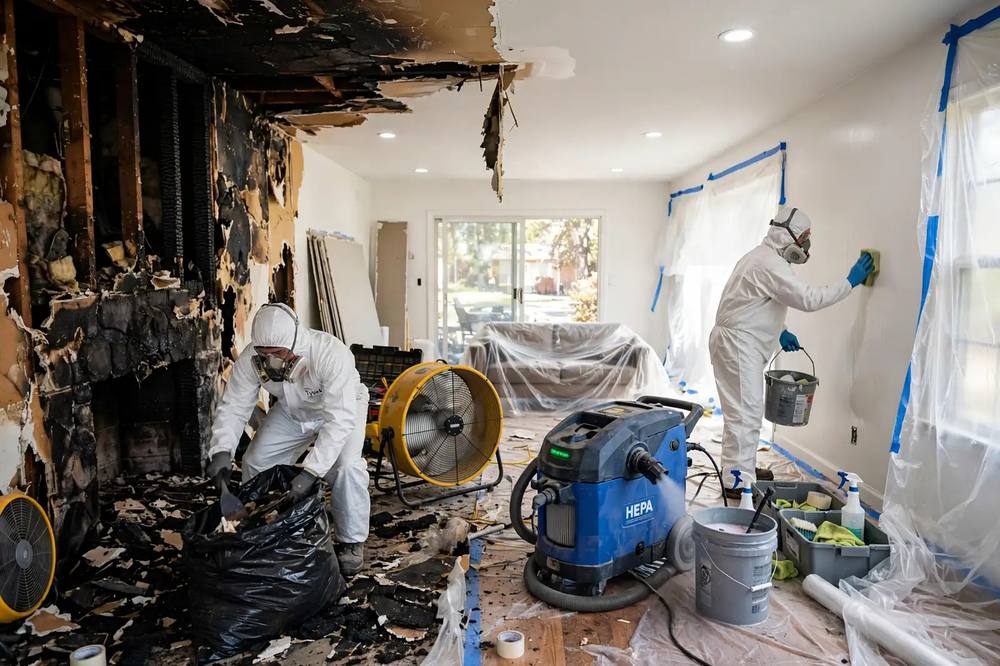
The first thing any provider does after a fire is check safety. Nobody should be inside a home that responders have not cleared, and rooms with heavy soot or damaged wiring stay closed off until they have been looked at. Once the home is safe to enter, a provider walks through the affected rooms and maps out what the fire touched, where the smoke travelled, and where the water went. That walkthrough shapes everything that follows, because a small kitchen fire and a fire that spread through a hallway call for very different work.
Standing water comes out first. It makes little sense to clean soot off a wet floor, and wet drywall only gets weaker the longer it stays wet. A provider removes the water, then turns to the soot, working from the worst-affected rooms outward. Materials that soaked up smoke through and through, such as some soft furnishings and porous items, may need to go. Hard surfaces can often be cleaned. Through it all, the provider takes photos and notes, which matter later when you are talking with your insurer about what was damaged and what was done.
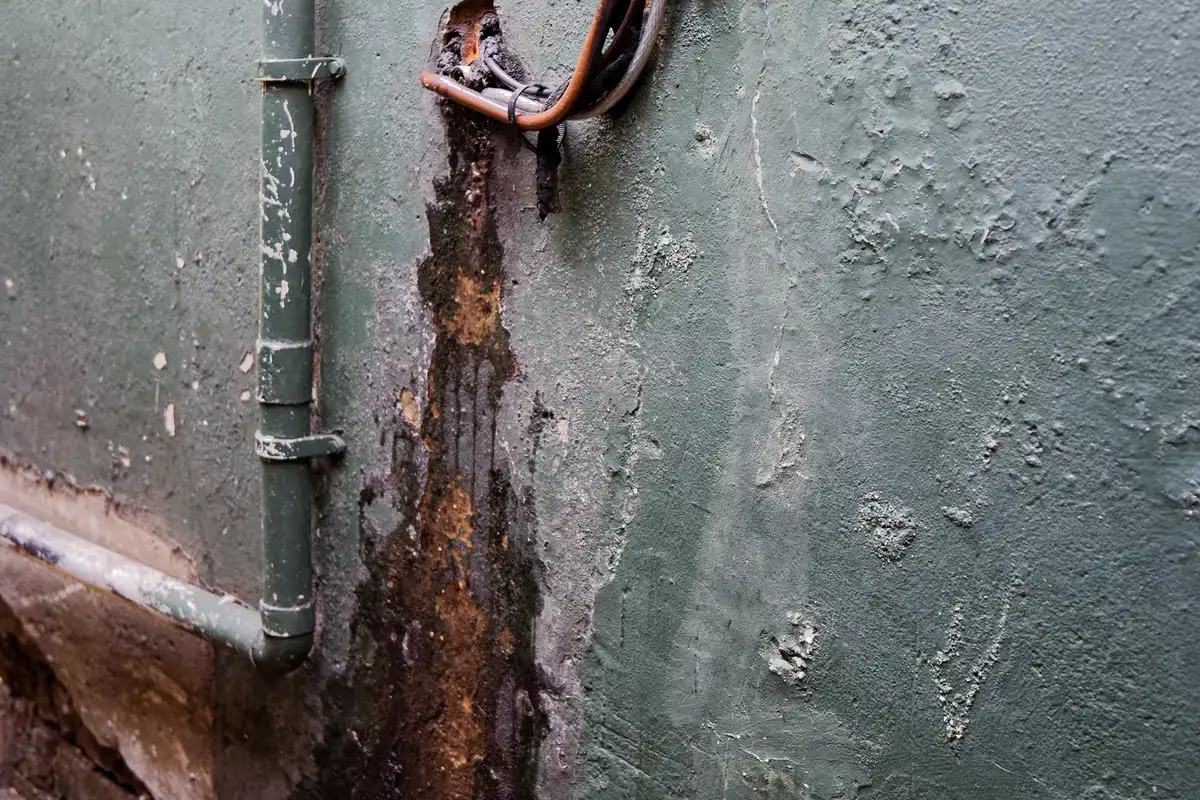
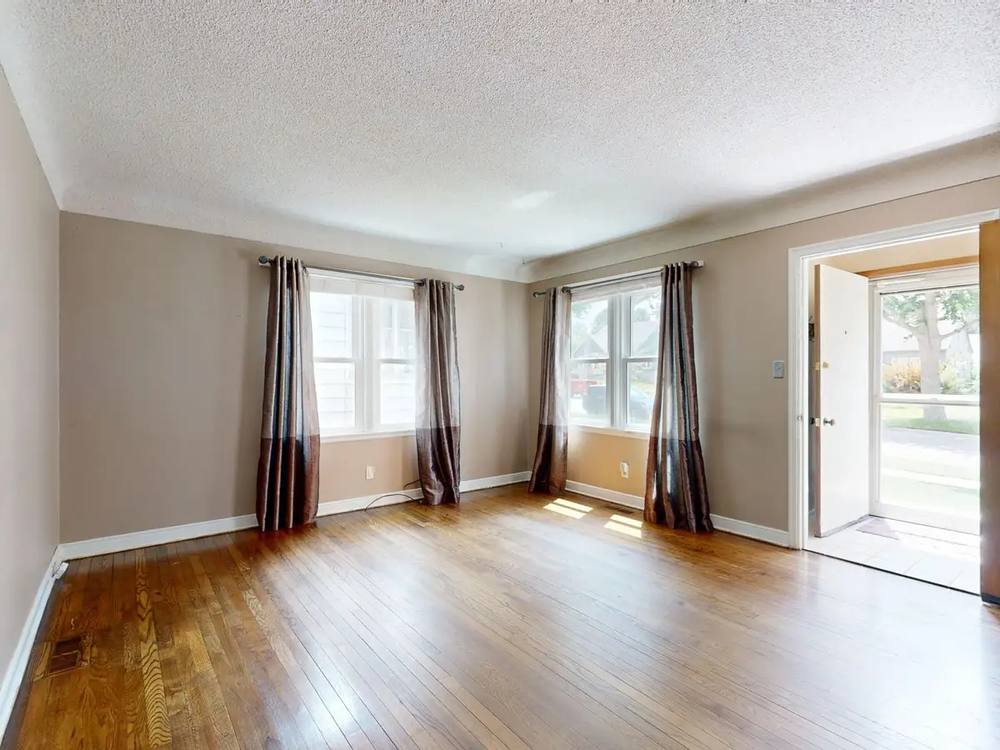
Cleaning up after a fire is careful, patient work. Soot is not like ordinary dust. Rubbing it with a damp cloth can smear it and push it deeper into paint and plaster, so a provider usually starts with dry removal before any wet cleaning begins. Walls and ceilings are worked in stages, and cabinets are emptied and cleaned inside and out, because soot settles on shelves and into the joints of the woodwork just as readily as it settles on an open wall.
Smoke odor is stubborn for a simple reason: the smell is in the soot, and the soot is in the materials. That is why cleaning has to come before odor treatment. Once the soot is out of the paint, the fabric and the drywall, the smell usually fades a great deal. What is left can then be treated directly. The order matters: skipping the cleaning step and going straight to covering the smell rarely holds.
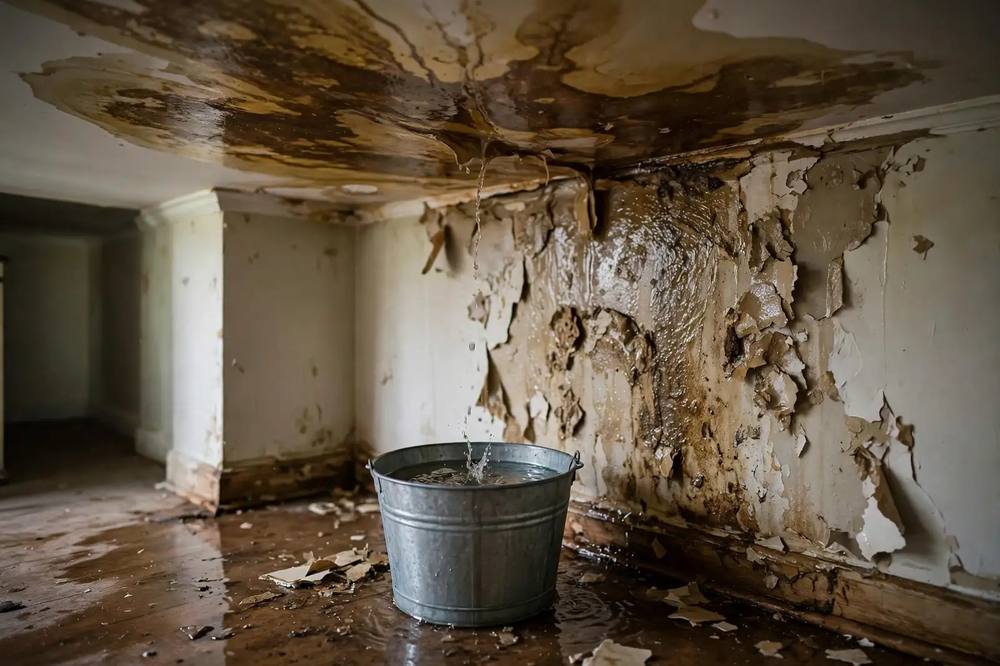
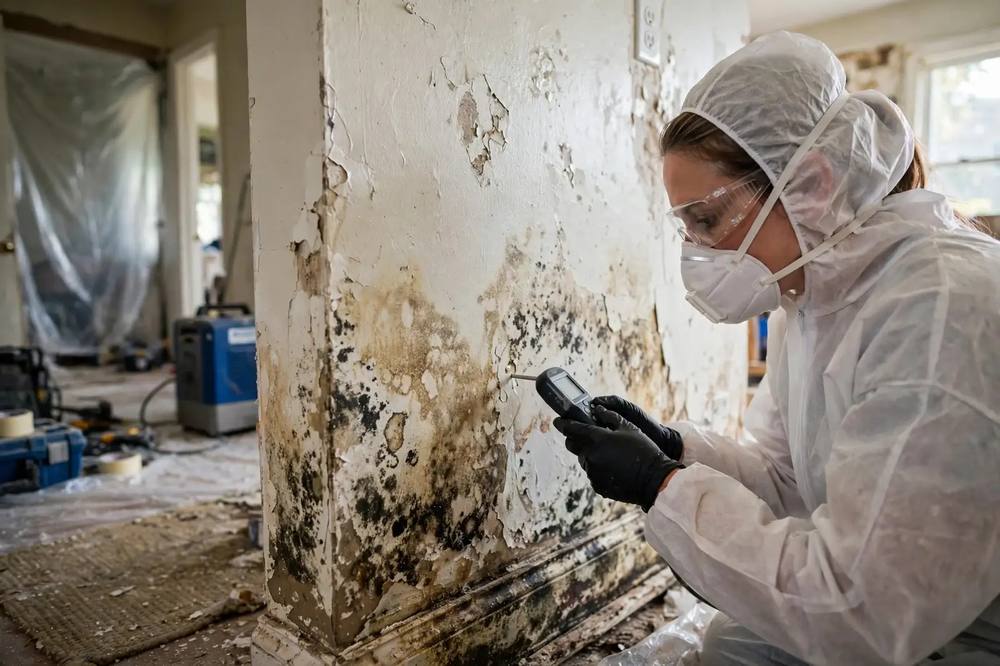
The water left behind by a fire is easy to overlook, because the fire feels like the bigger problem. But water that sits in drywall and flooring does the same damage here as it does after a burst pipe. Drywall softens and swells, flooring lifts or warps, and damp materials left alone can develop a musty smell that is hard to shift later. A provider checks moisture in the walls and floors with a meter, because a surface can feel dry to the touch while the material underneath is still wet.
Drying usually means air movers and dehumidifiers running until the readings show the materials are dry, not just until the room looks dry. In Rockwall, the humidity near Lake Ray Hubbard makes this step matter even more, because damp air slows drying and wet materials can pull moisture back from the air. A provider keeps measuring until the wood and drywall test dry against unaffected areas of the home, and only then is the drying part of the job done.
After a fire, the paperwork matters almost as much as the cleaning. Before anything is moved, take photos and video of every affected room, including the inside of cabinets and the contents of the rooms below. Do not throw damaged items away until your adjuster has seen the photos, because once an item is gone, it is much harder to show that it was damaged at all.
Keep a list as you go, room by room, of what was damaged and what was kept. Save every receipt, from the drying work to any night you spent away from home. When you speak with your insurer, ask for a written answer on what the policy covers, including both the fire damage and the water damage from suppression, and ask whether drying is covered as well as repair. A clear written scope protects you later, when memories have faded and the work is underway.
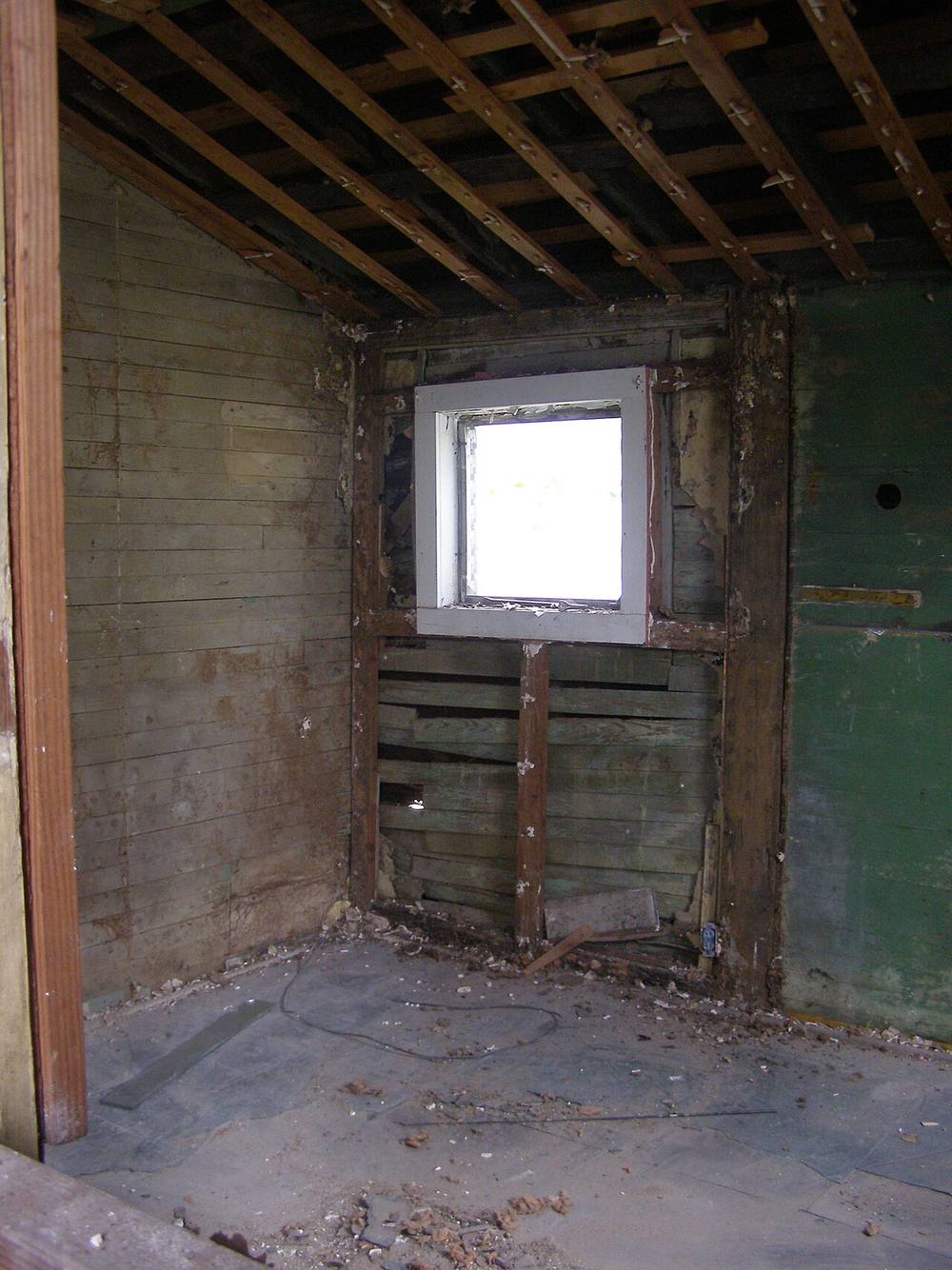
Calling is simple, and you talk to a real person who connects you with a local provider serving Rockwall. Here is how it usually goes, from the first call to the start of drying.
Call (945) 422-7610. Tell us where the water is, how long it has been there, and if power or sewage is involved.
A local provider checks the source and uses a moisture meter to find water behind drywall and under flooring.
Standing water comes out with pumps and extractors. Wet padding and damaged drywall are flagged for removal.
Air movers and dehumidifiers dry the structure, not just the surface. Readings are taken until wood and drywall test dry.
Surfaces are cleaned and treated so mold does not start. Then repair can begin.
Other help a local provider can connect you with.
Containment and cleaning for musty smells and mold after a leak that was not dried in time.
Learn more →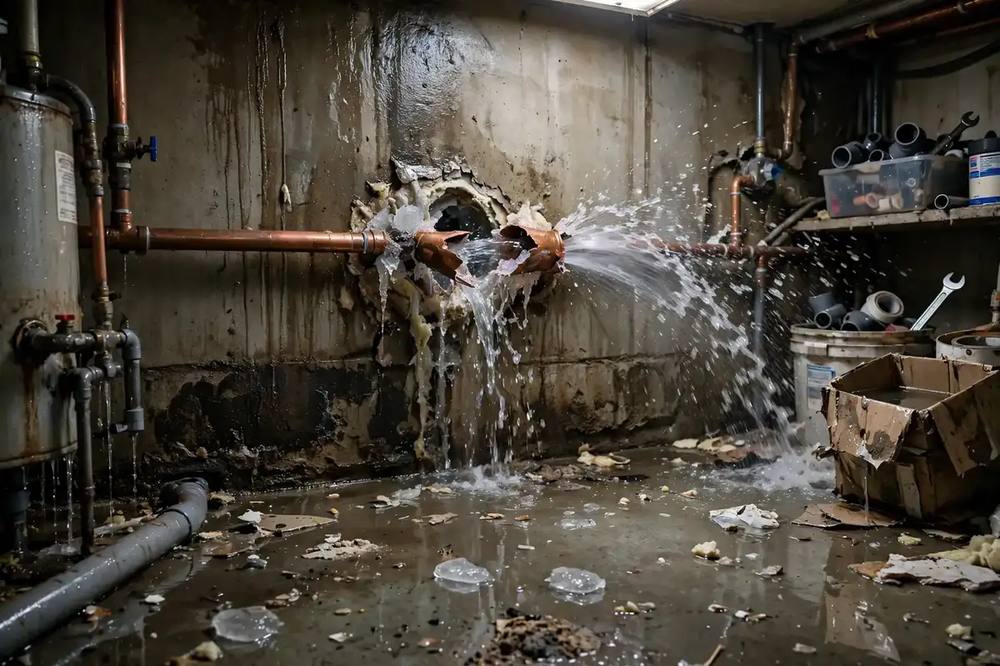
Fast extraction and drying when a pipe bursts in an attic, a wall, or under a slab.
Learn more →
Standing water removal, flood water extraction, and drying after storm or lake water comes inside.
Learn more →If your home in Rockwall has been through a fire, call (945) 422-7610 any time, day or night, and connect with a local provider who can talk through what happened, what to do next, and what help looks like for your home. The sooner a provider sees the soot and the water, the sooner the cleaning and drying can begin.
It depends on where you are in Rockwall, the time of day, and how busy local providers are. Call (945) 422-7610 as early as you can and describe what happened, and a local provider can give you a realistic picture of when someone can come out.
Make sure everyone is safe first, and do not go back inside until responders say it is safe to do so. Once the home is cleared, take photos of every room, call your insurer, and then call (945) 422-7610 to connect with a local provider.
Smoke odor often improves a great deal once the soot itself has been removed, because the smell sits in the soot trapped in paint, fabric and drywall. Cleaning comes first, and then a provider can work on the odor that remains. Odor that is still there after thorough cleaning may need further treatment of the affected surfaces.
Many fire claims cover both the fire damage and the water left behind by suppression, but every policy is different. Document everything with photos, keep every receipt, and ask your adjuster for a written scope of what is covered before repair work starts.
For heavy soot or smoke, it is usually best to stay out of the affected rooms until the cleaning is done. A provider who has seen the home can advise you on which rooms are fine to use and which should stay closed off while the work goes on.
It depends on what was in the room and how much smoke and water reached it. Hard furniture can often be cleaned, while soft furnishings that soaked up smoke may need deeper cleaning or may not be worth keeping. A provider can look at the pieces with you and talk through which ones are worth cleaning and which ones are not.
If you see water, smell mustiness, or hear running water when nothing is on, call now. Water damage does not wait, and neither should you.
Call (945) 422-7610Calls answered any time, day or night — including nights, weekends, and holidays.