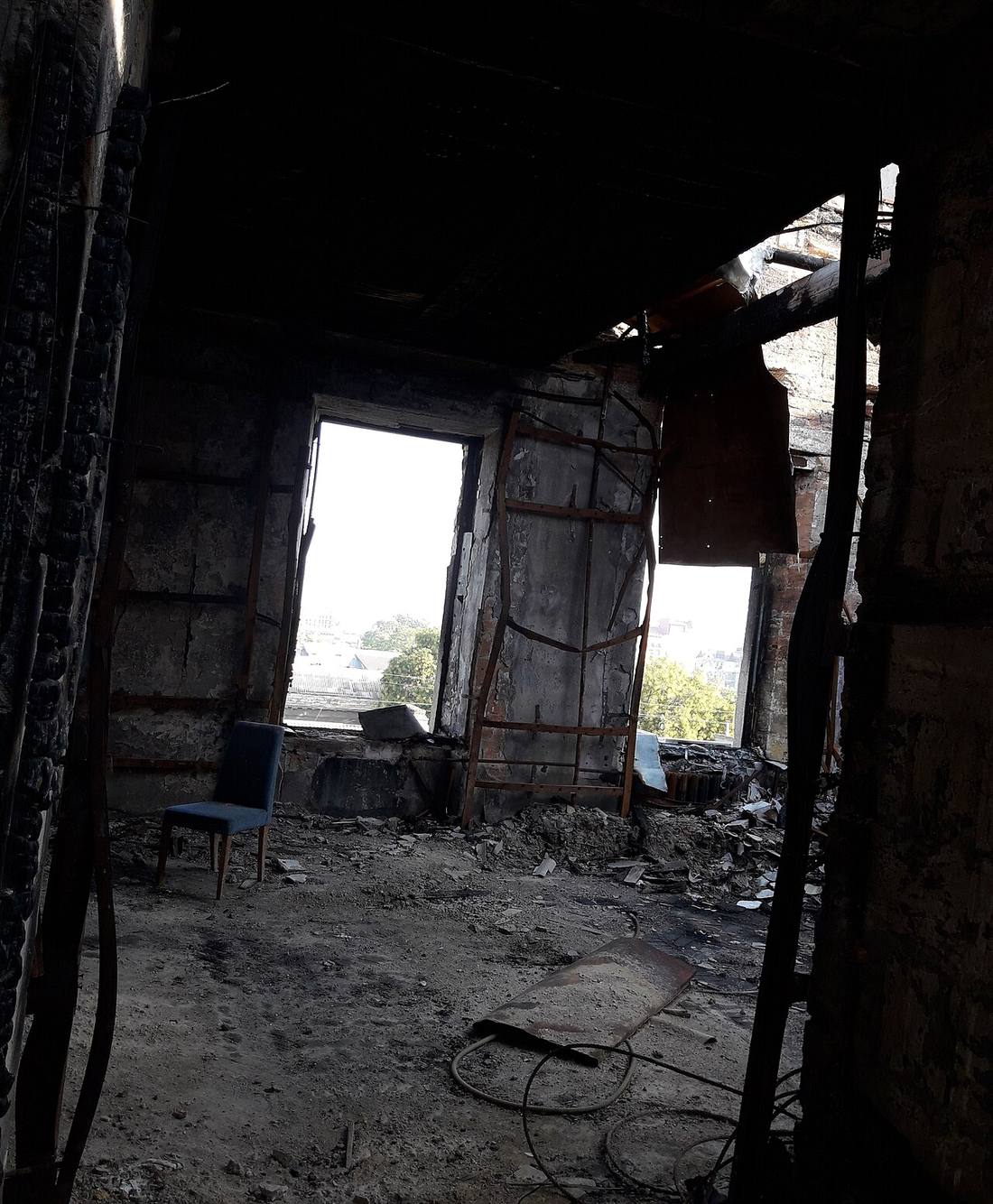
Fire Damage Restoration
Soot cleaning, odor removal, and drying after a kitchen fire, with the water left behind by fire hoses handled at the same time.
Learn more →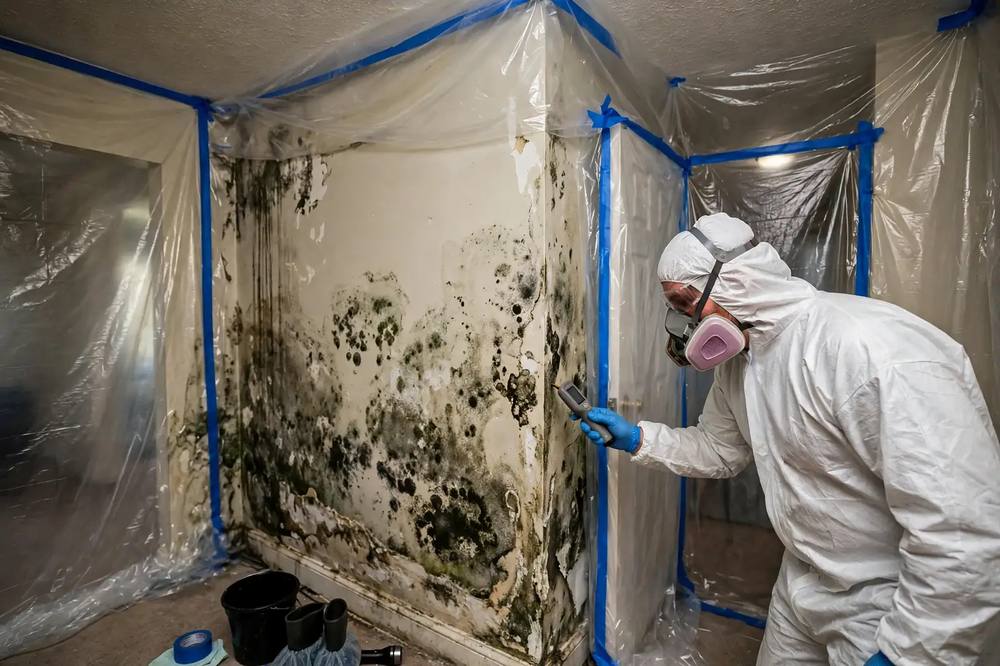
A musty smell in a Rockwall closet or bathroom is easy to dismiss.
One call connects you with a local provider serving Rockwall, Rowlett, Fate, and Heath.
A musty smell in a Rockwall closet or bathroom is easy to dismiss. The room looks fine, the paint looks fine, and the smell seems to come and go. But in a home near Lake Ray Hubbard, where the air stays damp for much of the year, that smell is often the first sign that water has been sitting somewhere it should not be. Mold remediation near me in Rockwall starts with finding that water, not just wiping the spot you can see. This site puts Rockwall callers in touch with local providers who handle mold remediation and mold abatement. When you call (945) 422-7610, you can describe what you are seeing and smelling, ask what an assessment involves, and connect with a provider serving your part of town, whether that is Downtown Rockwall, The Shores, Lakeside Village, Hickory Ridge or the homes near Harry Myers Park. Calls are answered any time, day or night.
Updated: November 2026
Mold needs moisture, and Rockwall has plenty of it. The air near Lake Ray Hubbard stays humid, and once drywall or insulation gets wet, it can stay damp for a long time if nobody dries it properly. In that dampness, mold can begin to grow in a day or two, often before a homeowner has any idea there is a problem. The leak that caused it might have been small: a slow drip under a sink, a washing machine hose that wept for a week, or a roof leak that only showed up after a heavy storm.
That is why the smell often arrives before the sight. You may not see anything on the wall, but you smell something earthy and musty when you open a closet door or step into a bathroom. The growth is usually behind the surface, in the drywall or the insulation, where the air cannot reach it and where wiping the wall does nothing at all. Finding the moisture source is the whole job. Clean the visible spot and leave the leak running, and the growth will be back. Fix the leak, dry the materials, and clean the affected area, and the problem has a chance to stay solved.
Mold in a Rockwall home rarely grows out in the open. It grows where water collects and air does not move: behind the drywall in a bathroom, under a kitchen sink that has been dripping for a month, or in the insulation above a ceiling where a roof leak has been soaking in after every storm. Slab leaks are a particular problem here, because most Rockwall homes sit on a concrete slab, and water from a pipe under the slab spreads through the walls before it ever shows on the floor.
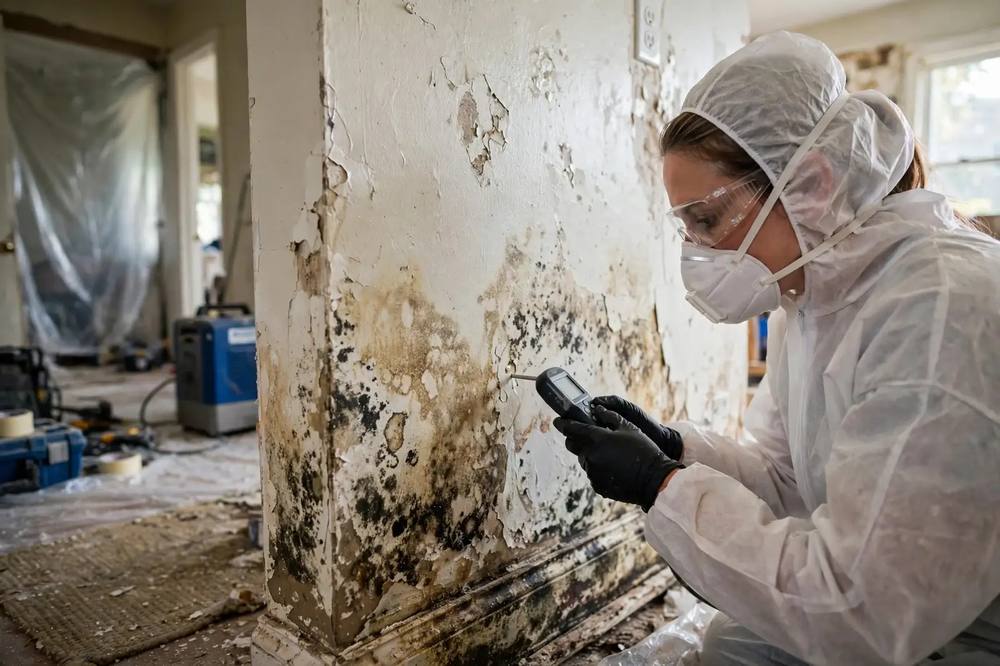
A moisture meter is what finds it. A provider can take readings in the walls and floors and compare them with dry areas of the same home, which shows where the water has reached even when the surface looks normal. That is the difference between guessing and knowing. Wiping a spot on the wall might make the room look better for a week, but if the drywall behind it is still wet, the growth will return, and the damp will keep spreading to the next room.
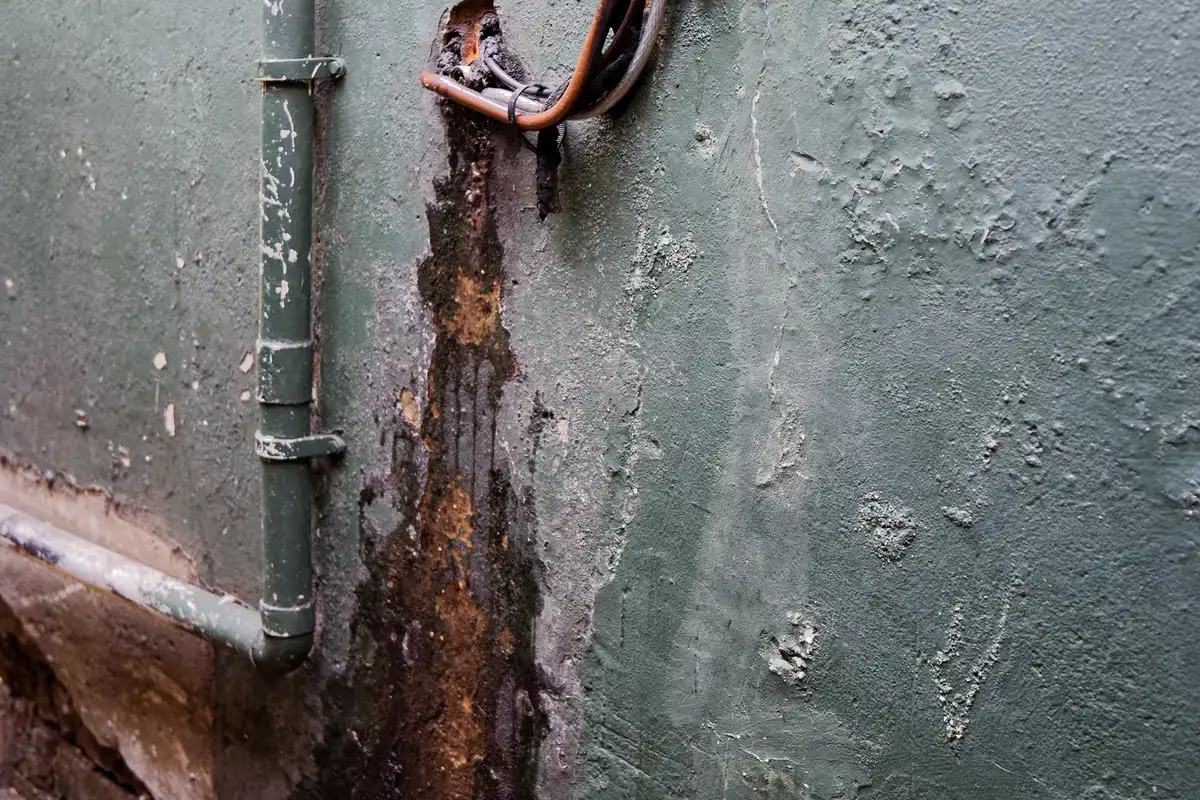

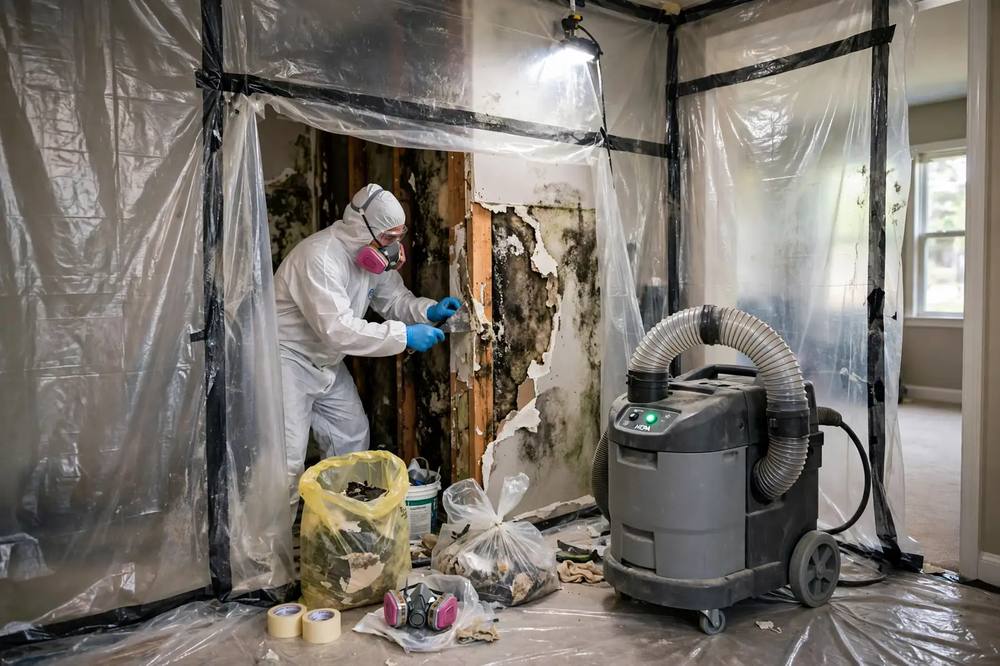
Mold abatement in Rockwall TX usually follows the same shape, whatever the room. First, the provider finds where the water is coming from and stops it. That might be a leaking pipe, a failed appliance hose, or a roof leak that needs a roofer after the drying is done. Until the source is fixed, nothing else will hold. Then the affected area is contained, which means sealing it off from the rest of the home so that spores are not carried into clean rooms while the work goes on. That is what mold abatement Rockwall TX usually means in practice: find the moisture, contain the area, remove the growth, and dry the space.
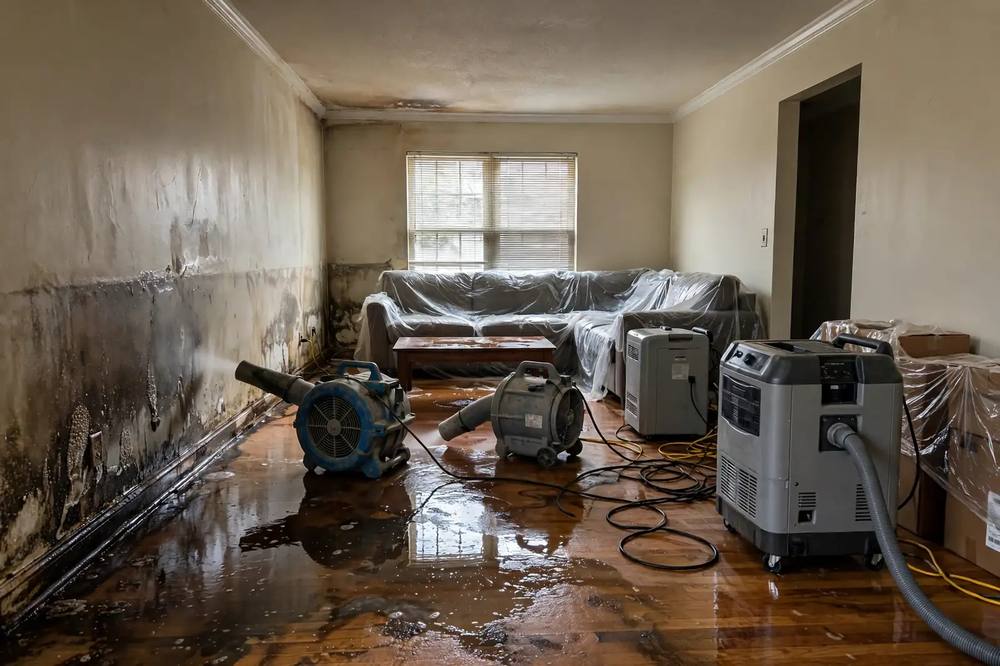
Next comes removal and cleaning. Materials that have soaked through, such as wet drywall and wet insulation, often need to come out, because they cannot be dried reliably once they are saturated. Hard surfaces that can be cleaned are cleaned. Then the space is dried with air movers and dehumidifiers, and the provider keeps taking moisture readings until the wood and the remaining materials test dry. Only then does rebuilding make sense. Skipping the drying step and covering damp materials with fresh drywall is how a problem comes back a few months later.
If you find mold in your home, the first step is simple: do not stir it up. Avoid scrubbing a large area dry, and avoid running fans that blow air from the affected room into the rest of the house. Take photos of what you can see, note when you first noticed the smell or the spots, and think back to any leak in the same area, even one that seemed small at the time. That history helps a provider work out where the water came from.
Then call (945) 422-7610 and describe what you are seeing. A local provider can ask the right questions, explain what an assessment involves, and talk through whether the area needs containment and how long the work might take. If the affected area is small and on a hard surface, the provider can advise what you can safely do yourself and what is better left to someone with the right equipment. If the growth is inside drywall or insulation, or spread across a wide area, containment and proper cleaning are the sensible route.
Once the cleaning is done and the area is dry, the work is not quite over. The leak that caused the problem needs to stay fixed, and the room needs to stay dry. That means keeping an eye on the spot where the leak happened, checking under sinks now and then, and watching for the smell to return. In a humid climate like Rockwall's, good ventilation helps: a bathroom fan that actually vents outside, air moving through rooms that tend to stay damp, and a dehumidifier in a room that never seems to dry out.
It also means acting quickly the next time water shows up. A small leak caught in a day is a small job. The same leak left for a month is a much bigger one. If you have had mold in a room before, that room deserves a second look whenever something changes, such as a new stain on the ceiling or a smell that was not there last week. A provider can talk through simple habits that keep moisture down in your particular home, from checking appliance hoses to watching the walls after a heavy storm.
Calling is simple, and you talk to a real person who connects you with a local provider serving Rockwall. Here is how it usually goes, from the first call to the start of drying.
Call (945) 422-7610. Tell us where the water is, how long it has been there, and if power or sewage is involved.
A local provider checks the source and uses a moisture meter to find water behind drywall and under flooring.
Standing water comes out with pumps and extractors. Wet padding and damaged drywall are flagged for removal.
Air movers and dehumidifiers dry the structure, not just the surface. Readings are taken until wood and drywall test dry.
Surfaces are cleaned and treated so mold does not start. Then repair can begin.
Other help a local provider can connect you with.
Soot cleaning, odor removal, and drying after a kitchen fire, with the water left behind by fire hoses handled at the same time.
Learn more →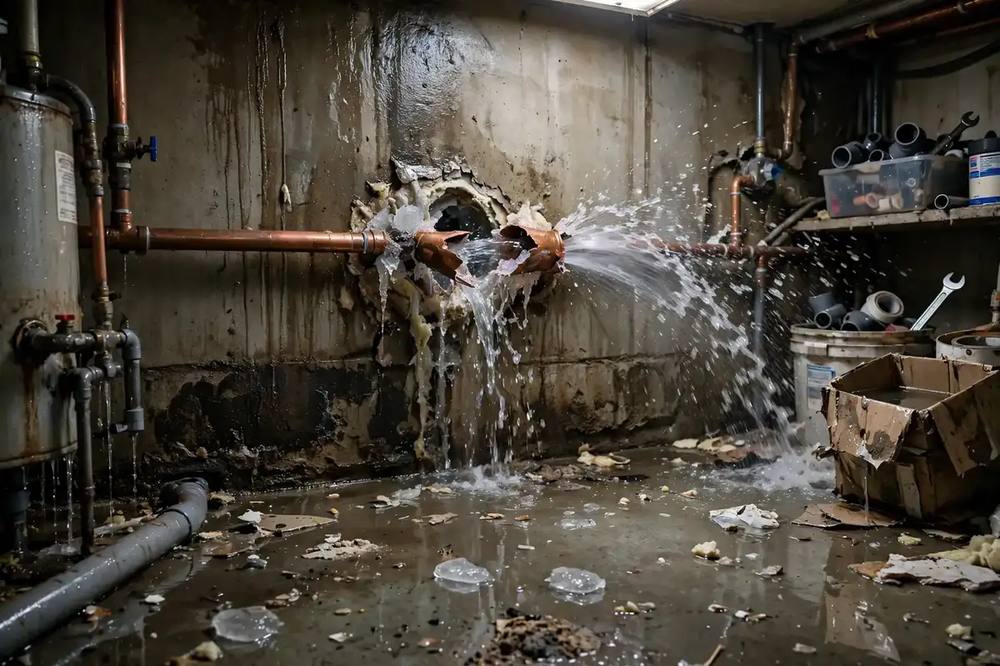
Fast extraction and drying when a pipe bursts in an attic, a wall, or under a slab.
Learn more →
Standing water removal, flood water extraction, and drying after storm or lake water comes inside.
Learn more →If you can smell something musty, or you can see spots that were not there before, call (945) 422-7610 any time, day or night, and connect with a local provider for mold remediation near me in Rockwall. A provider can talk through what you are seeing, explain what an assessment involves, and arrange for someone to take a look at your home.
Look for visible spots, a musty or earthy smell, and any history of leaks in the same area. If a leak sat for days, moisture may still be inside the wall even when the surface looks dry. A provider can check the area with a moisture meter and talk through what is found.
Small surface mold on tile or other hard, washable surfaces can sometimes be cleaned with care. Mold inside drywall, insulation or ductwork is a different matter, because the growth is behind the surface and the area needs to be contained while it is cleaned. A provider can advise which situation you are dealing with.
A small, contained area can often be dealt with in a short visit, while a larger area with containment and drying takes longer. Drying has to be checked with a meter before any rebuilding starts, so the length of the job depends on how far the moisture spread and how wet the materials are.
Not every job needs lab testing. Testing can be useful when mold is widespread, when an insurer asks for it, or when a homeowner wants a written record of what was found. A provider can explain when testing adds something useful and when a visual assessment and moisture readings are enough.
It can come back if the moisture comes back. That is why finding and fixing the leak matters as much as the cleaning itself. Once the area is dry, keeping humidity down and keeping an eye on the spot where the leak happened are the best ways to keep it from returning.
The two terms are often used for the same kind of work, and in Rockwall they usually mean finding the moisture, containing the affected area, removing the growth and drying the space. A provider can explain what the work would involve for your particular home, so you know what is being done and why. A local provider can explain what mold abatement Rockwall TX usually involves for your home.
If you see water, smell mustiness, or hear running water when nothing is on, call now. Water damage does not wait, and neither should you.
Call (945) 422-7610Calls answered any time, day or night — including nights, weekends, and holidays.