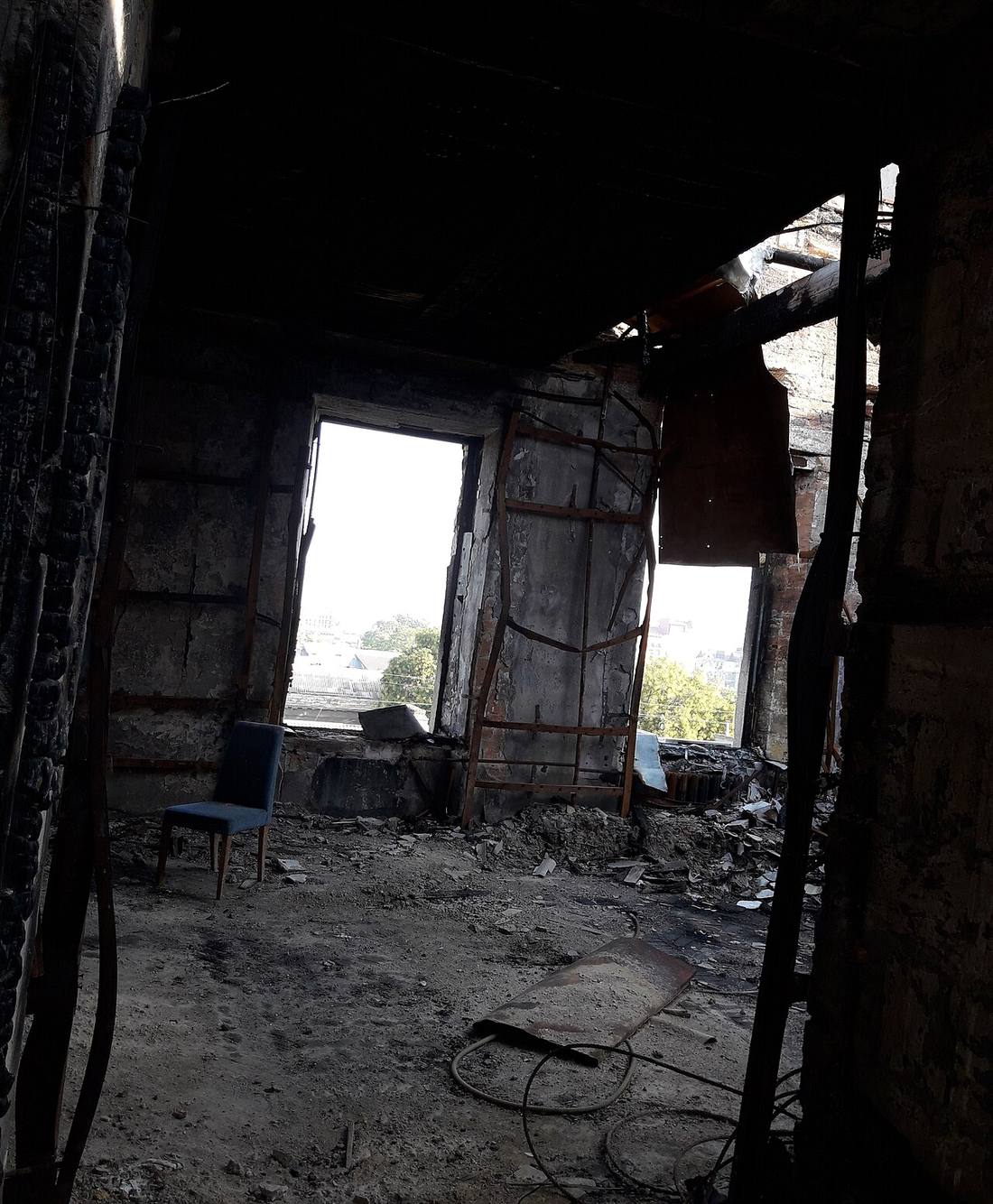
Fire Damage Restoration
Soot cleaning, odor removal, and drying after a kitchen fire, with the water left behind by fire hoses handled at the same time.
Learn more →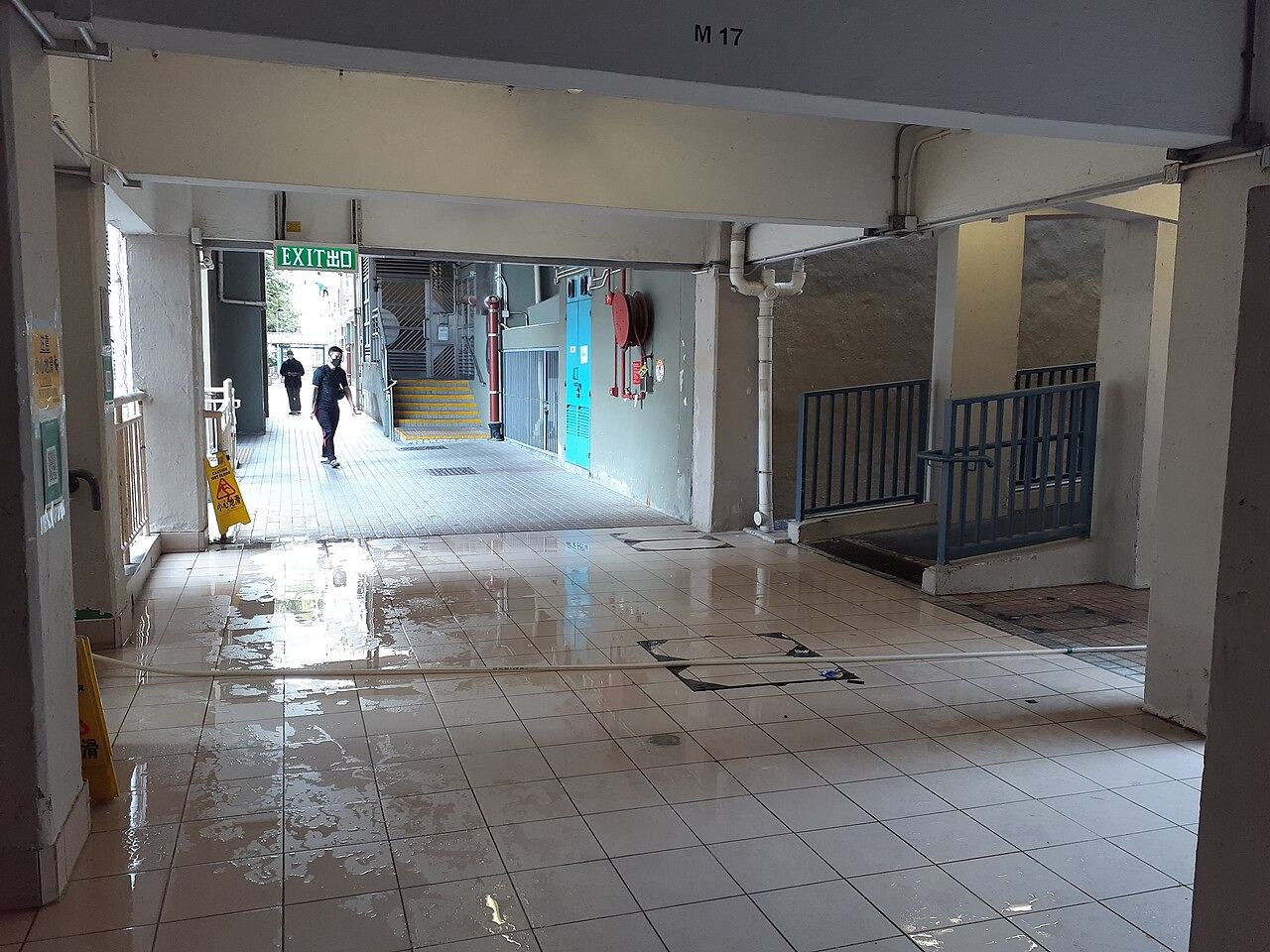
A sewage backup is one of the most unpleasant problems a homeowner in Rockwall can face, and it is also one of the ones that most needs a careful, unhurried response.
One call connects you with a local provider serving Rockwall, Rowlett, Fate, and Heath.
A sewage backup is one of the most unpleasant problems a homeowner in Rockwall can face, and it is also one of the ones that most needs a careful, unhurried response. When a toilet, shower drain or floor drain begins to fill with dark water, or when a bad smell spreads through a bathroom and into the hallway, the cause is often a blockage or a problem further down the line. Sewage backup cleanup in Rockwall TX is about removing that water safely, cleaning and sanitizing what it touched, and drying the home so the problem does not linger. Homes across Rockwall County, in the 75032 and 75087 ZIP codes, share the same basic plumbing layout, with drains running from bathrooms and kitchens to a main sewer line and out to the street. When that line is blocked, water has nowhere to go, and it comes back up through the lowest drain in the house. Heavy rain can add to the problem, pushing extra water into the system and overwhelming drains that were already slow. Homes in Chandlers Landing, Breezy Hill, The Shores, Stone Creek and Downtown Rockwall can all be affected, as can homes in nearby Rowlett, Fate and Heath. This page explains what sewage backup cleanup involves, what black water is and why it needs different handling from clean water, and what you can do while you wait for a provider. If sewage is in your home now, do not try to deal with it using household cleaning tools, and call a local provider for advice.
Updated: November 2026
Sewage backup cleanup in Rockwall TX follows a clear order, and each step matters. The first job is to find the source, because cleanup cannot be planned until the provider knows whether the backup came from a single blocked drain, a main line problem, or water entering from outside. A provider will ask which fixtures are affected, whether the problem is in one bathroom or across the house, and whether the water is still rising. Those answers point to the cause and to how far the water is likely to have spread.
Once the source is understood, the sewage water is removed with pumps and wet vacuums, and any standing water is taken out of the building. Porous materials that soaked up sewage water, such as carpet padding, the lower sections of drywall and some types of insulation, are usually removed, because they cannot be cleaned reliably once they have absorbed black water. Hard surfaces are then cleaned and sanitized, and the affected rooms are dried with air movers and dehumidifiers.
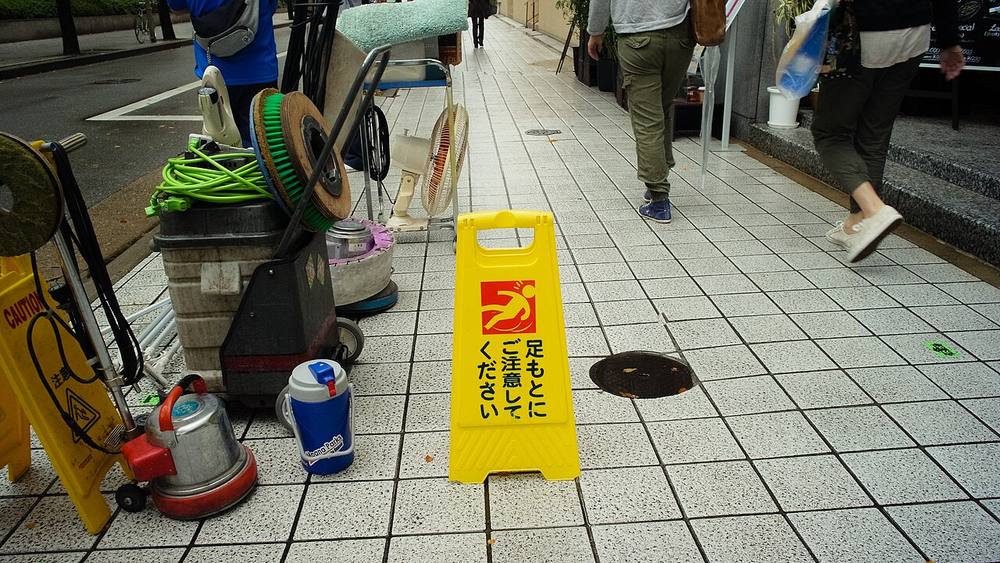
Black water is wastewater from toilets, drains and sewer lines, and it carries bacteria and other contaminants that clean water does not. Water from a burst supply pipe is a different matter, and it can usually be cleaned up with less concern. Black water, by contrast, should be treated as a health risk from the moment it appears, and contact with it should be avoided. Household members, children and pets should stay out of affected rooms until the cleanup is done.
The risk is not only in the water you can see. Sewage water soaks into carpet, underlay, wood and drywall, and the contaminants stay in those materials even after the surface looks dry. That is the reason some materials are removed rather than cleaned, and why sanitizing is a separate step from simply mopping a floor. A provider will explain which materials can be cleaned and sanitized and which should be taken out, and will talk through the work room by room so you know what to expect.
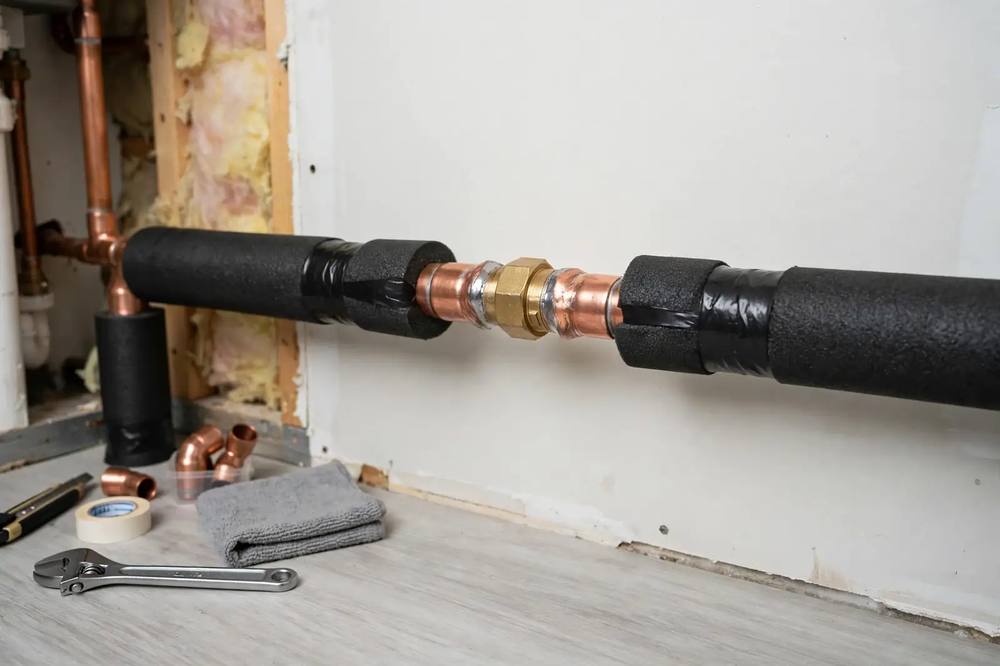
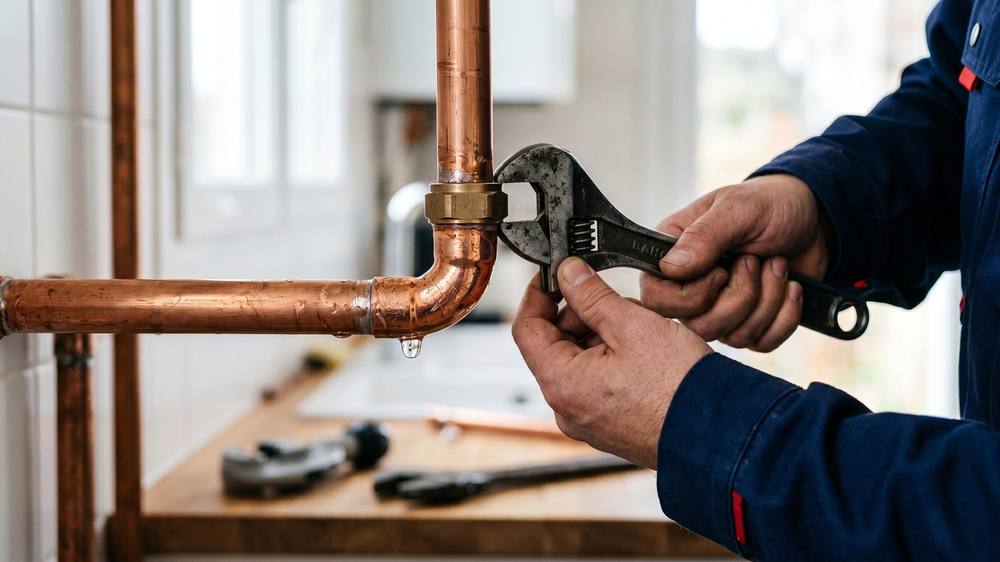
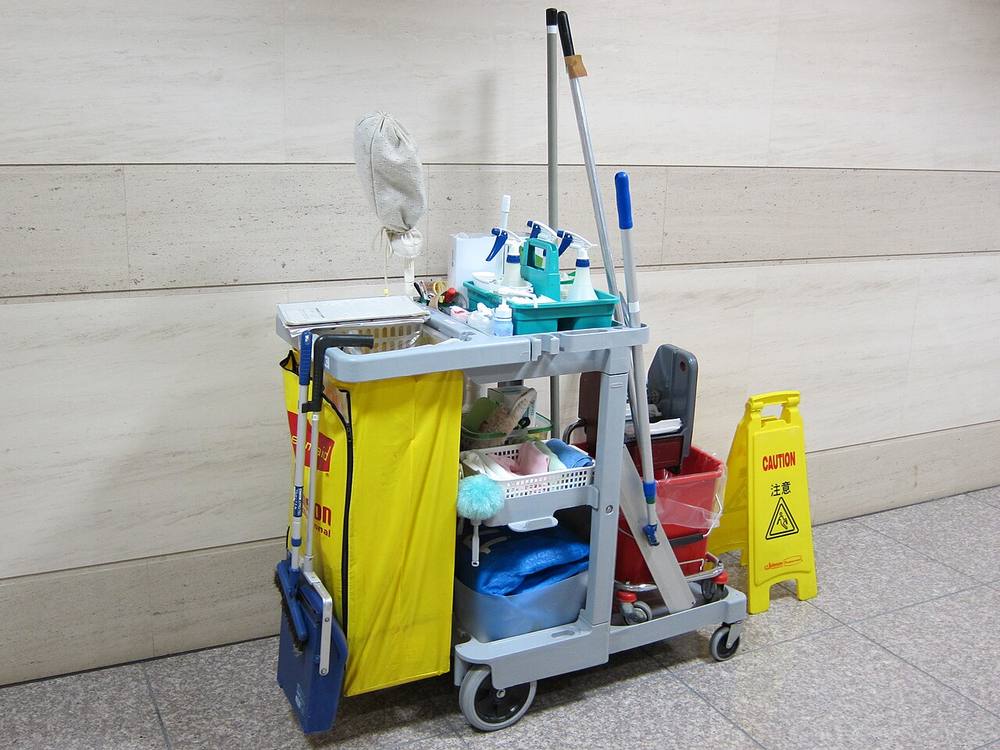
Sanitizing after a backup is about more than making a room look clean. Once the water is out and damaged materials are removed, the remaining surfaces need to be cleaned to remove residue, then sanitized to reduce bacteria left behind by the sewage. Hard floors, tile, sealed concrete and fixtures can usually be cleaned and sanitized in place. Walls need attention where the water line reached, including the area behind baseboards, which is why baseboards are often removed during the work so the wall behind them can be cleaned and dried.
Belongings that came into contact with sewage water need to be sorted with care. Hard, non-porous items can often be cleaned and sanitized. Soft furnishings, rugs and cardboard boxes that soaked up sewage water usually cannot be cleaned reliably and are often better discarded, after they have been photographed for your records. If a porous item absorbed black water, it is safer to let it go. The goal of sanitizing is to leave the room clean, dry and safe to use again, not simply to remove the smell, and the work is not finished until the surfaces are clean and the moisture readings show the room is dry.
Most sewage backups in Rockwall homes come from a small number of causes, and knowing them helps you describe the problem on the call. Blockages in the main sewer line are the most common, often caused by grease, wipes and other items that should not go down a drain, or by tree roots finding their way into older pipes.
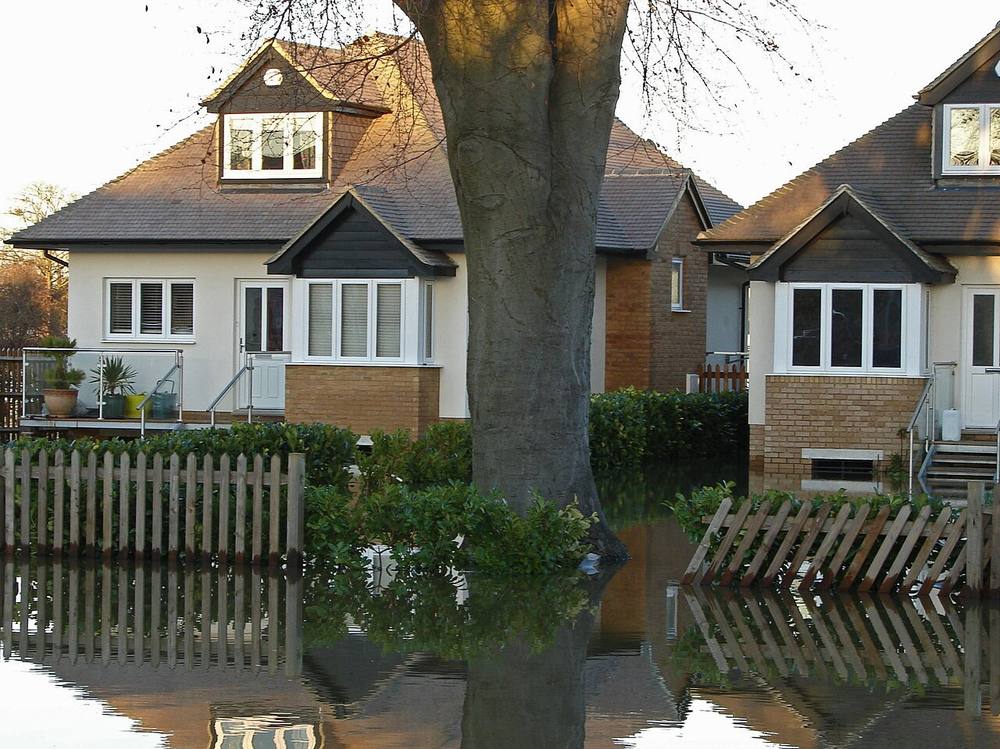
Heavy rain is another frequent cause in Rockwall County, particularly in low-lying streets near Lake Ray Hubbard and in areas where street drains struggle during a downpour. When the public sewer system is overwhelmed, water can push back toward homes, and the lowest drains are the first to show it. Older homes in Downtown Rockwall and in established neighborhoods such as Breezy Hill can also have aging pipes that narrow over time, making blockages more likely.
Your first step is to keep everyone away from the sewage water and to stop using the plumbing until the cause is known. Running more water through toilets, sinks or a washing machine can push more sewage back into the home, so leave the fixtures alone and mention on the call which ones are affected.
If it is safe to do so, take photos of each affected room, including the water line on walls and fixtures, before anything is moved. Those photos give you a clear record of what happened. Move dry items from nearby rooms if you can do so without walking through sewage water, and open a window in an unaffected room if the smell is strong, but do not run fans in the affected rooms, as that can spread contaminated air. Then call a local provider, describe what you can see and smell, and follow the advice given. A provider will arrange a visit and talk through the cleanup, the sanitizing and the drying that follows.
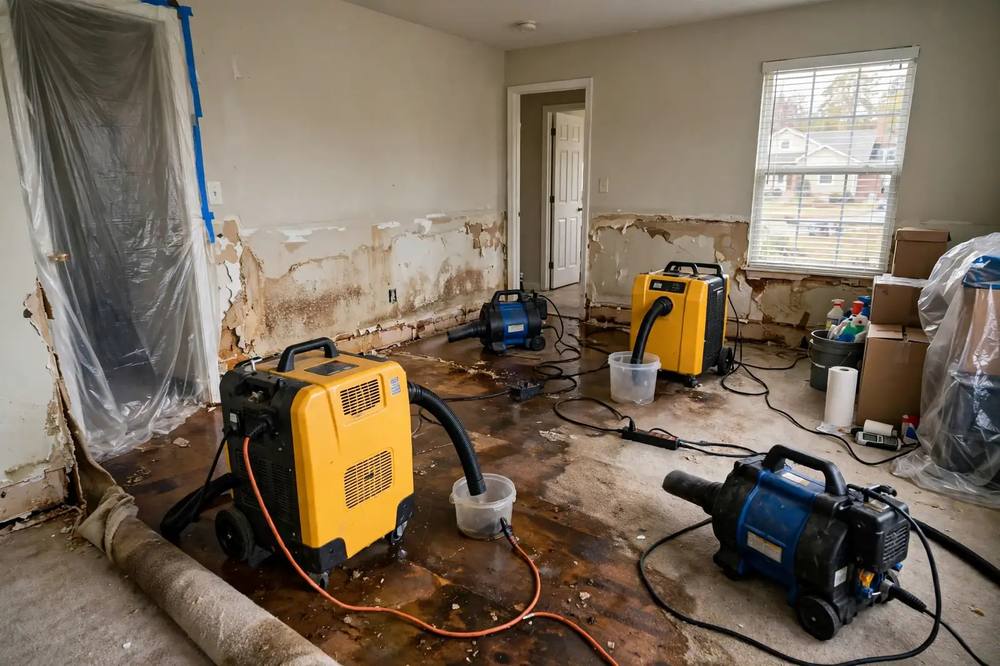
Calling is simple, and you talk to a real person who connects you with a local provider serving Rockwall. Here is how it usually goes, from the first call to the start of drying.
Call (945) 422-7610. Tell us where the water is, how long it has been there, and if power or sewage is involved.
A local provider checks the source and uses a moisture meter to find water behind drywall and under flooring.
Standing water comes out with pumps and extractors. Wet padding and damaged drywall are flagged for removal.
Air movers and dehumidifiers dry the structure, not just the surface. Readings are taken until wood and drywall test dry.
Surfaces are cleaned and treated so mold does not start. Then repair can begin.
Other help a local provider can connect you with.
Soot cleaning, odor removal, and drying after a kitchen fire, with the water left behind by fire hoses handled at the same time.
Learn more →
Containment and cleaning for musty smells and mold after a leak that was not dried in time.
Learn more →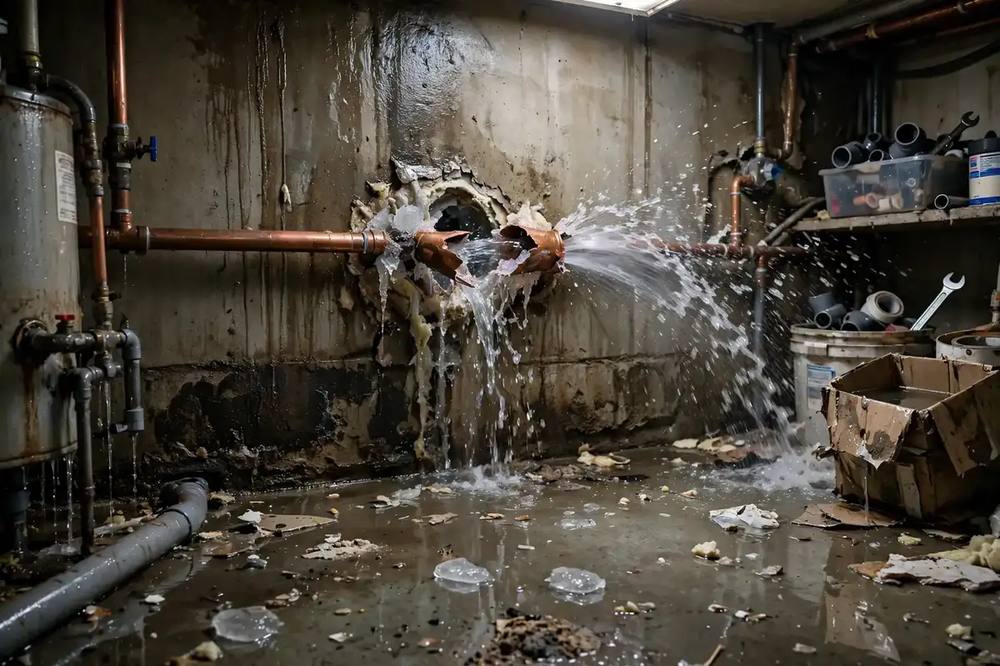
Fast extraction and drying when a pipe bursts in an attic, a wall, or under a slab.
Learn more →If sewage has backed up into your Rockwall home, call (945) 422-7610 any time, day or night. A local provider will talk through what has happened, explain what needs to happen next, and arrange a visit to your home in Rockwall County. Sewage backups should not be left to sit, so make the call as soon as you notice the problem.
Sewage backup cleanup in Rockwall TX means removing the backed-up water, cleaning and sanitizing the affected surfaces, and drying the area. A provider will first find where the backup came from and how far it spread, then remove the water and any materials that soaked it up. The area is then cleaned, sanitized and dried, with moisture checks before the work is considered complete.
Black water is wastewater that carries bacteria and other contaminants from toilets, drains and sewer lines. It is different from clean water from a supply pipe, and it needs different handling. Surfaces and materials that came into contact with black water need thorough cleaning and sanitizing, and some porous materials may need to be removed.
Stay out of the affected area, keep children and pets away, and avoid using toilets, sinks, showers or washing machines until the cause is known. Do not try to mop up sewage water with household towels or a regular vacuum. Call a local provider, describe what you can see and smell, and follow the advice given on the call.
It depends on how much sewage entered the home, how many rooms were affected, and how long the water sat before it was found. A small backup in one bathroom is a different job from sewage that spread across a ground floor. A provider can give a clearer picture after seeing the affected rooms and checking moisture levels.
Hard surfaces such as tile and sealed concrete can usually be cleaned and sanitized once the water is removed. Porous materials that soaked up sewage, including carpet padding and the lower part of drywall, often cannot be cleaned reliably and may need to be removed. A provider will explain what can be kept and what should go, room by room.
Yes, you can call any time, day or night, including weekends. A local provider will take your details, ask where the backup appeared and how far it spread, and arrange a visit. If sewage is still coming into the home, mention that on the call so the provider can advise on what to do first.
If you see water, smell mustiness, or hear running water when nothing is on, call now. Water damage does not wait, and neither should you.
Call (945) 422-7610Calls answered any time, day or night — including nights, weekends, and holidays.