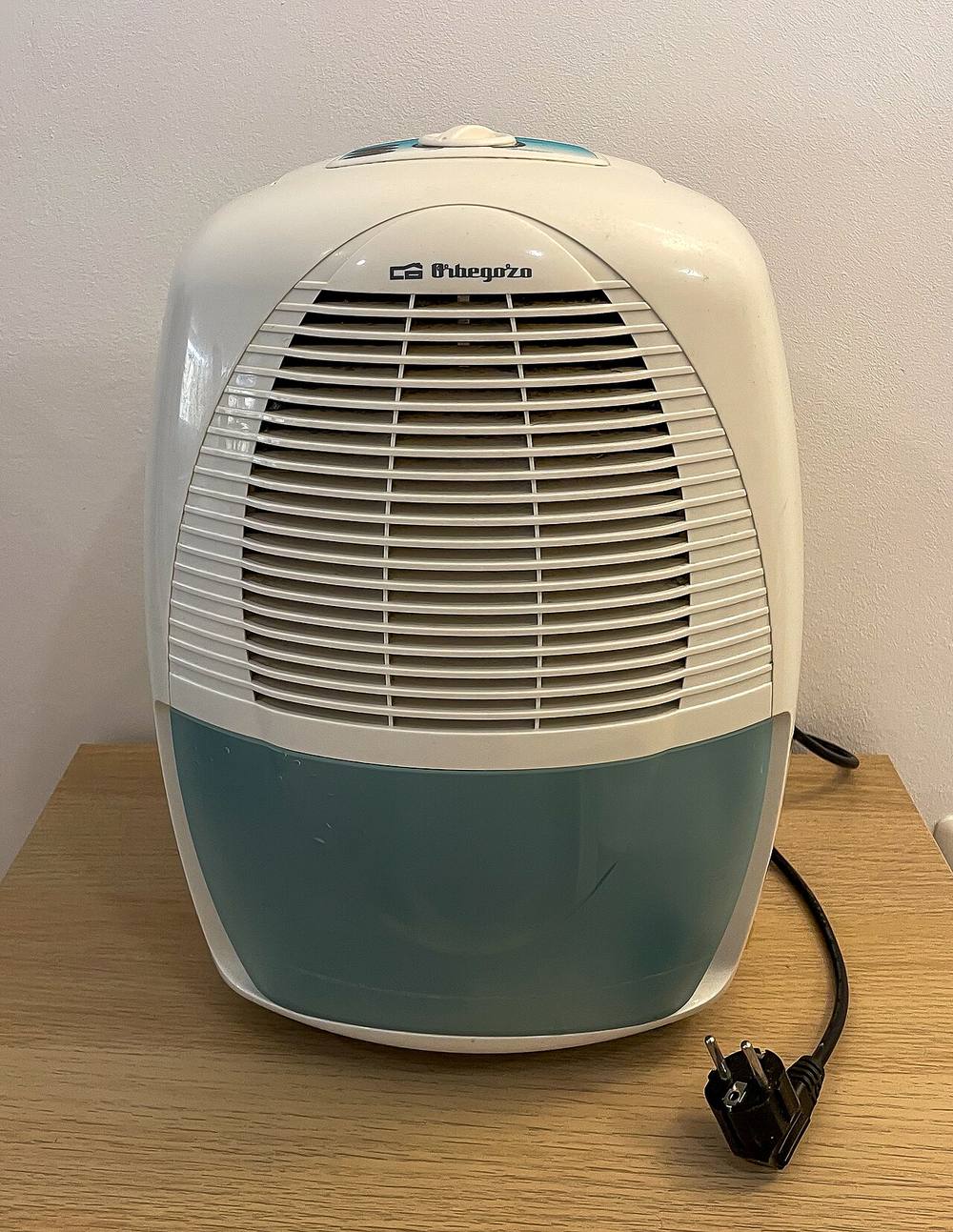
You got the water out. Now the real question starts: how long until your home is actually dry? Not just dry to the touch. Dry inside the walls, under the floor, and in the wood. That is the question this guide answers, and the honest answer is that it depends on your home: what got wet, how wet it got, and how long the water sat before anyone found it. For drying help, this site connects callers in Rockwall and Rockwall County with local providers. When you call (945) 422-7610, a provider can talk through what affects drying time in your home, and arrange for someone to take moisture readings and get the drying started. Calls are answered any time, day or night.
Updated: November 2026
Dry to the Touch Is Not Dry
The most common mistake after a leak is deciding the home is dry because the floor feels dry. It is not. Wood, drywall and the materials under flooring hold water long after the surface has dried, and they give it up slowly. A wall can feel dry to your hand while the drywall inside is still wet, and a floor can look fine while the material underneath is soaked. That hidden damp is what causes trouble later, from a musty smell to flooring that lifts or warps months after the leak.
The only reliable check is a moisture meter. A provider takes readings in the walls, floors and cabinets, and compares them with dry areas of the same home. The drying is finished when the readings say the materials are dry, not when the room looks dry. That is a slower process than most homeowners expect, and it is worth understanding why, so you know what the equipment in your home is doing and why it needs to keep running.
What Slows Drying in Rockwall
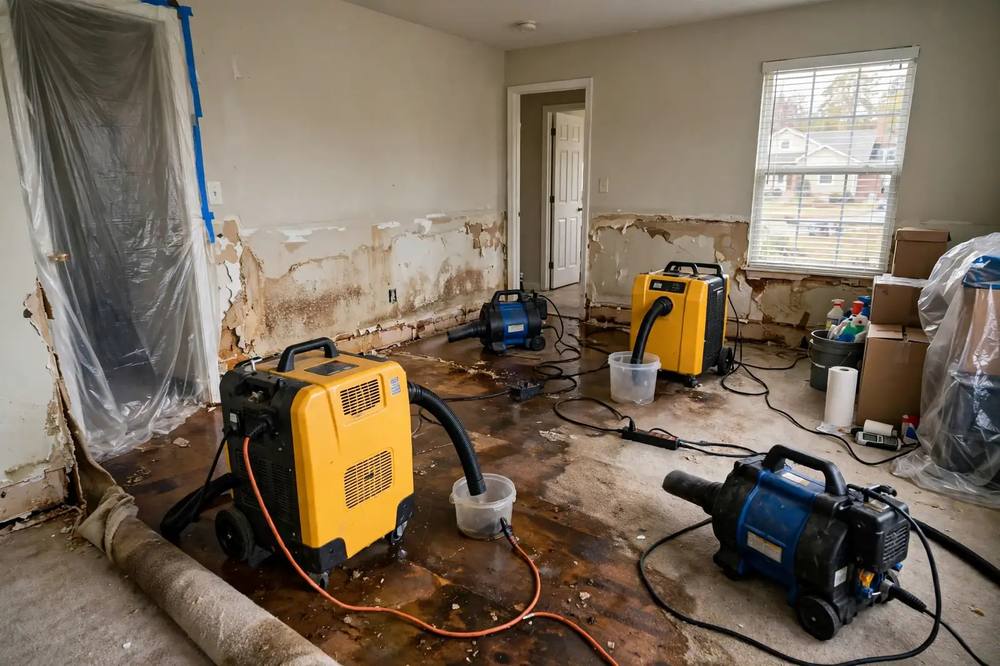
Four things slow drying down in Rockwall, and most homes have at least one of them. The first is the lake. Humidity near Lake Ray Hubbard keeps indoor air damp, and without dehumidifiers, wet materials pull moisture back from the air almost as fast as they lose it. That is why fans alone do not work here: only a dehumidifier pulls the moisture out of the air.
The second is water trapped under flooring. Water under luxury vinyl plank or hardwood does not evaporate on its own. It spreads sideways and stays wet for weeks if the floor is not lifted or dried from below. The third is wet insulation and drywall. Once drywall soaks through, it often needs to be cut, and wet insulation behind it holds water like a sponge. A moisture meter finds it. Your hand cannot. The fourth is a late start. Every day you wait adds to the drying, because the water has had longer to soak in.
- Humidity near Lake Ray Hubbard keeps indoor air damp, so wet materials dry more slowly
- Water trapped under flooring spreads sideways and stays wet where air cannot reach it
- Wet insulation and drywall hold water like a sponge and may need to be cut out
- A late start adds time, because water that sat for days has soaked in deeper
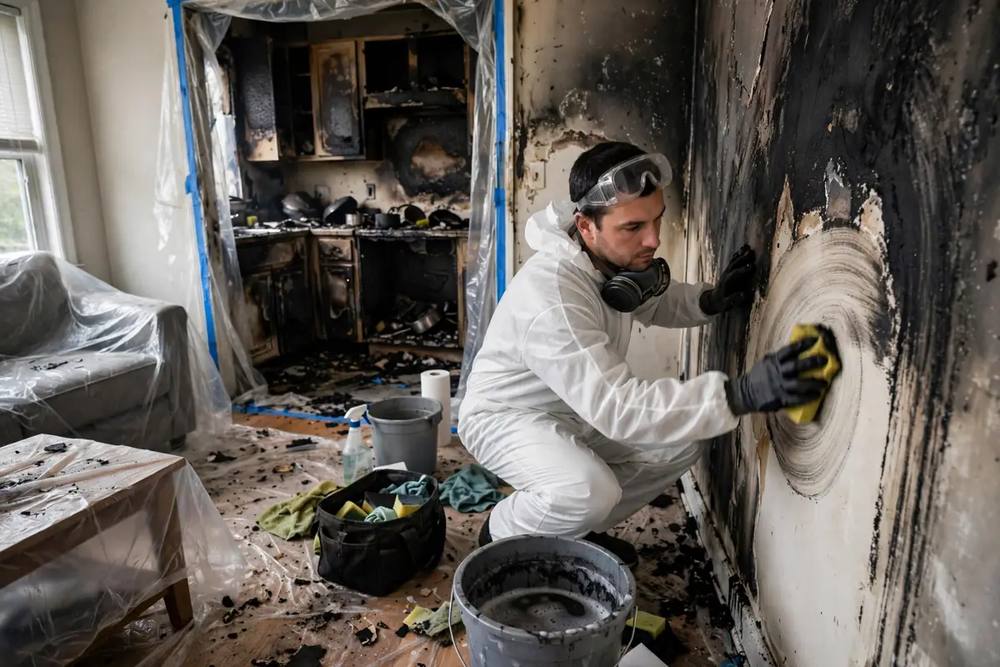
How a Local Provider Dries a Home
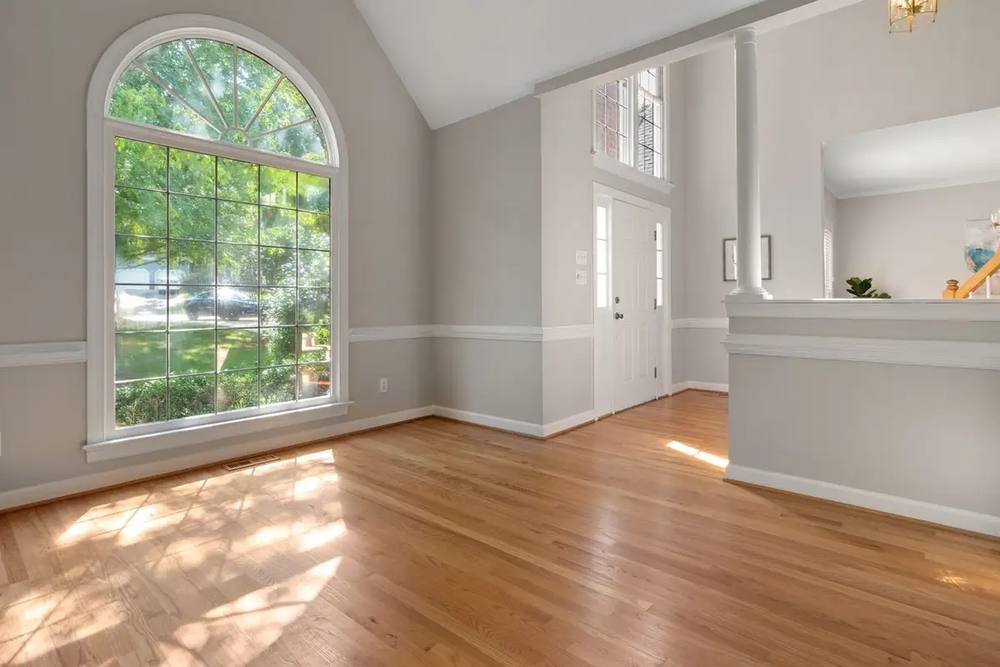
A provider dries a home in stages, and measuring comes first and last. The first readings show where the water has reached, including inside walls that look dry on the surface. Then the standing water is removed with pumps and extractors. Then the drying equipment goes in: air movers to push dry air across wet surfaces, and dehumidifiers to pull the moisture out of the air. The two work together, and neither one does the job on its own.
The provider keeps coming back to measure. Daily readings show whether the materials are drying, and whether the equipment needs to be moved or adjusted. Do not turn the equipment off early to save noise or power. If the dehumidifier stops, the drying stops, and the materials start pulling moisture back from the damp air. Once the readings show the wood and drywall are dry, the surfaces are cleaned, and only then is the drying part of the job done.
- Measure first, with moisture readings in walls, floors and cabinets
- Remove standing water with pumps and extractors
- Dry with air movers and dehumidifiers, running until readings show the materials are dry
- Measure again, with daily readings compared against dry areas of the home
- Clean and treat the surfaces so a musty smell does not develop
How You Can Tell It Is Really Dry
You cannot tell by looking, and you cannot tell by touch. The check that matters is the moisture reading, compared with a dry part of the same home. A provider takes readings in the same spots over the course of the drying, so you can see the numbers coming down. When the wet areas read the same as the dry areas, the materials are dry. Until then, they are not, whatever the surface feels like.
Ask the provider to talk through the readings with you. It is your home, and you should know what the numbers mean and why the equipment is still running. If a reading is not coming down, that tells the provider something too: water may still be trapped behind the drywall, or under the flooring, and the drying plan may need to change. That is normal, and it is why the readings are taken more than once. A home that is dried by measurement, rather than by guesswork, stays dry.
What to Leave Alone While Equipment Runs
While the drying equipment is running, the best thing you can do is leave it alone. Do not turn the air movers off, do not open the windows to let in fresh air, and do not move the dehumidifier to another room. Opening a window in Rockwall lets humid air in, which works against the dehumidifier. Moving the equipment breaks the drying pattern the provider set up, and the materials in the corner that lost its airflow will stop drying.
Keep children and pets away from the equipment, and keep the rooms as closed off as you can so the dry air stays where it is needed. The equipment is loud, but it is doing the work that keeps your home from developing a musty smell or lifting floors later. Once the readings are right, the provider will take the equipment away, and the quiet will be worth it.
If your Rockwall home is wet and you want to know what drying it will involve, call (945) 422-7610 any time, day or night, and connect with a local provider. A provider can talk through what affects drying time in your home, and arrange for someone to take moisture readings and get the drying started.
Frequently Asked Questions
Can I dry it with house fans?
House fans move air, but they do not pull moisture out of the air. In Rockwall's humidity, you need dehumidifiers as well as air movers, and moisture readings to prove the materials are dry. Fans alone leave the damp in the walls and floors.
How do I know it is really dry?
With a moisture meter. A local provider takes readings in walls and floors and compares them with dry areas of your home. Touch alone is not enough, because a surface can feel dry while the material underneath is still wet.
What if I wait a week?
Waiting makes it worse. Water spreads, drywall softens, and a musty smell can develop in damp materials left alone. Call (945) 422-7610 as soon as you notice the water, even if you are not sure how bad it is.
Does insurance cover drying?
Many sudden leaks are typically covered for drying and repair, but every policy is different. Document the loss with photos, keep your receipts, and ask your adjuster what they need from you for the claim.
How long for a slab leak?
Slab leaks often take longer to dry, because the water spreads under the slab and into the walls before it shows on the surface. How much longer depends on how many rooms were affected and how wet the materials are. A provider can explain what the drying involves once the readings are taken.
Can I turn the drying equipment off at night?
No. If the equipment is turned off, the drying stops. The noise is unpleasant, but the air movers and dehumidifiers need to keep running until the moisture readings show the materials are dry. A provider can explain how long the equipment is likely to need to run in your home.