Water in your home is frightening, and it is hard to think clearly when it is happening. The floor is wet, the ceiling is staining, and you are not sure where the water is even coming from. The good news is that the first steps are simple, and they are the same whether the water came from a burst pipe, a failed water heater, or a storm that pushed water in from outside. This guide covers what to do after water damage in Rockwall, TX, step by step, in the order that matters. It also explains what a local provider does when you call (945) 422-7610, so you know what to expect. This site connects callers in Rockwall and Rockwall County with local providers. Calls are answered any time, day or night.
Updated: November 2026
Stay Safe First
Before you do anything else, think about safety. If water is near power outlets, light fittings or appliances, do not step into it. Turn off the power to the wet rooms at the breaker box if you can reach it safely and the box itself is dry. If the water is deep, or if you can smell gas, get out of the house and call for help from outside. No possession is worth an injury.
If the water smells of sewage, keep away from it and keep children and pets out of the room. Do not try to clean sewage water yourself. A provider can talk through what to do while you wait, and what the cleanup will involve. The same applies to water that came in from outside during a storm, which can carry dirt and debris you cannot see. When in doubt, stay out of the water and make the call first.
Stop the Water If You Can Do It Safely
The single most useful thing you can do is stop the water at its source. If a toilet supply line has split, the shut-off valve behind the toilet will stop it. If a pipe has burst somewhere you cannot see, the main water valve is the answer. In most Rockwall homes it is near where the water line enters the house, often in a garage, a utility closet, or outside by the street. If you have never looked for it, find it now, before the next emergency, and show everyone in the household.
If you cannot find the valve, or you cannot reach it safely, do not worry. Tell the provider when you call, and they can talk you through what to look for. The water will keep running until the valve is off, so this step is worth a few minutes of your time. But do not take risks to reach it. If the valve is in a flooded area, or near live wiring, leave it and get out of the room.
- Turn off the main water valve if you can reach it safely
- For a single fixture, such as a toilet or sink, use the shut-off valve behind it
- For a burst pipe, the main valve is the fastest way to stop the flow
- If you cannot find the valve, tell the provider when you call and they can talk you through it
Protect What Matters and Take Photos
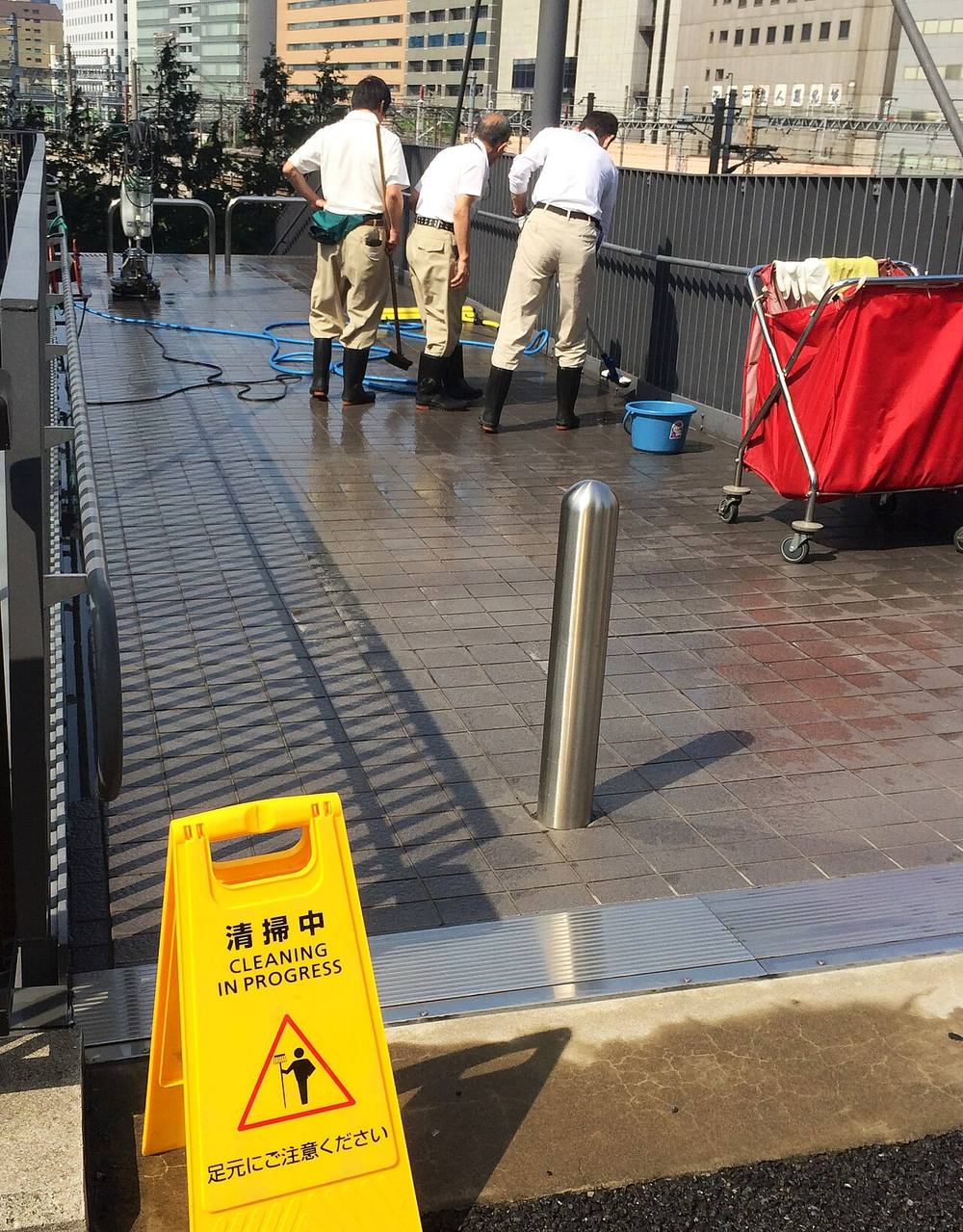
Once the water is off, or while you are waiting for help, move what you can. Rugs, electronics, papers and anything that will be ruined by sitting in water should come out of the wet rooms first. Lift furniture legs onto blocks or foil so the wood does not soak, and hang curtains up out of the way. Do not try to move anything heavy or waterlogged on your own. A soaked sofa or a full shelf unit is heavier than it looks, and an injury will only slow everything down.
Before you move anything, take photos and video of every wet room, including the ceilings and the insides of cabinets. That record matters for your insurer, and it is much harder to reconstruct later. Keep a simple list as you go, room by room, of what was damaged and what you moved. Save every receipt from this point on, from the drying work to anything you buy to protect the home. Your insurer will ask for them, and a provider can tell you what records are usually needed.
- Move rugs, electronics, papers and valuables out of the water and up off the floor
- Lift furniture legs onto blocks or foil so the wood does not soak
- Take photos and video of every wet room before you move anything
- Keep a simple list of what was damaged, room by room, as you go
Call a Local Provider
This is the step people put off, and it is the one that matters most. A provider can talk through what is happening, ask the right questions, and arrange for someone to come out and look at the home. You do not need to know what kind of water it is, or where the leak came from. Describe what you see, and the provider will work out the rest. Call (945) 422-7610 and say where the water is, how many rooms are wet, and whether the source is stopped.
The provider will also advise you on what to do while you wait, such as turning off power to wet rooms or moving valuables. None of this replaces the visit itself. The visit is where the provider takes moisture readings in the walls and floors, finds how far the water spread, and works out what the drying will involve. Water travels sideways under flooring and down through ceilings, so the wet area is often bigger than it looks from the doorway, and only a meter reading shows the full picture.
The Days After: Drying, Paperwork and Checking Back
Once the standing water is out, the drying begins, and it takes longer than most people expect. Air movers and dehumidifiers run until moisture readings show the wood and drywall are dry, not just until the room looks dry. In Rockwall, the humidity near Lake Ray Hubbard slows this down, which is why the equipment needs to keep running and why a provider keeps measuring. Do not turn the equipment off early because of the noise, and do not decide the room is dry because the surface feels dry.
While the drying goes on, keep up with the paperwork. Call your insurer, ask for a claim number, and ask what they need from you. Keep every receipt, keep your photos safe, and write down when you first noticed the water and what you did. If the provider finds that drywall or flooring needs to be cut out to dry properly, that is normal, and it is better than covering damp materials up and finding the trouble again months later. Check back on the rooms as they dry, and call the provider if anything changes, such as a new smell or a stain that keeps growing.
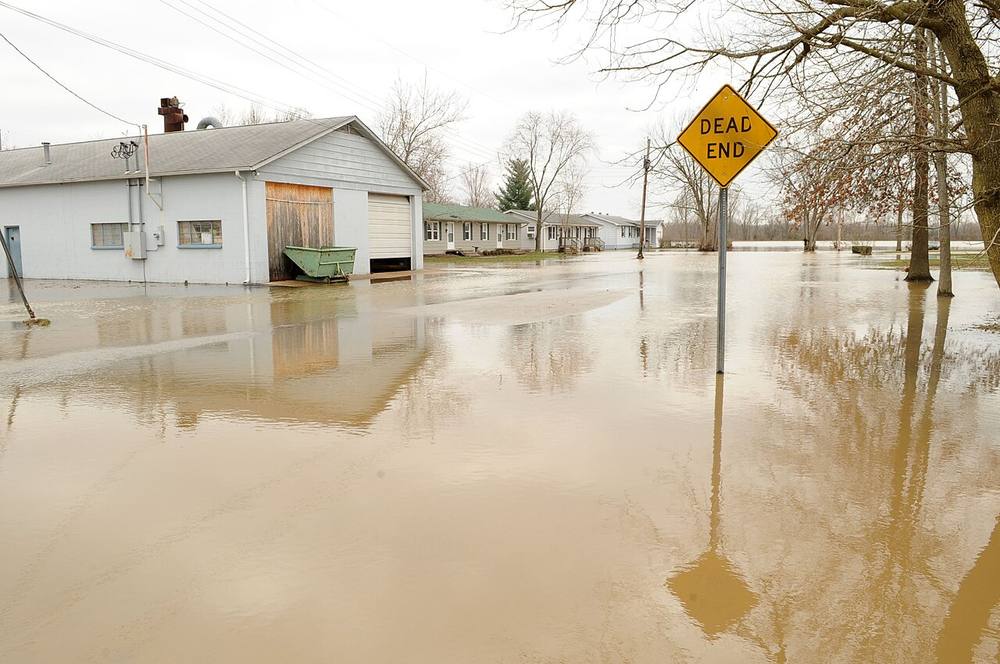
If you are standing in water in Rockwall right now, call (945) 422-7610 any time, day or night, and connect with a local provider who can talk you through the next steps. You do not need to have the answers. You only need to make the call.
Frequently Asked Questions
How fast should I act?
As fast as you safely can. Water spreads into drywall and flooring in hours, not days, and the longer it sits, the further it reaches. Stop the source if you can do it safely, then call (945) 422-7610 right away.
What if I don't know the source?
Describe what you see when you call. A local provider can help you work out where the water is coming from and tell you what to shut off. Common sources in Rockwall include burst pipes, water heater failures, appliance hoses and slab leaks.
Will insurance cover it?
Many sudden leaks are typically covered by a standard homeowners policy, but every policy is different. Document everything with photos, keep your receipts, and ask your adjuster for a written answer about your particular policy.
How long does drying take?
It depends on how many rooms are wet, what the floors and walls are made of, and how long the water sat before it was found. A small leak caught early dries sooner than water that spread under flooring or into several rooms. A provider measures moisture as the work goes on, so drying is checked rather than guessed.
Do I need to leave my home?
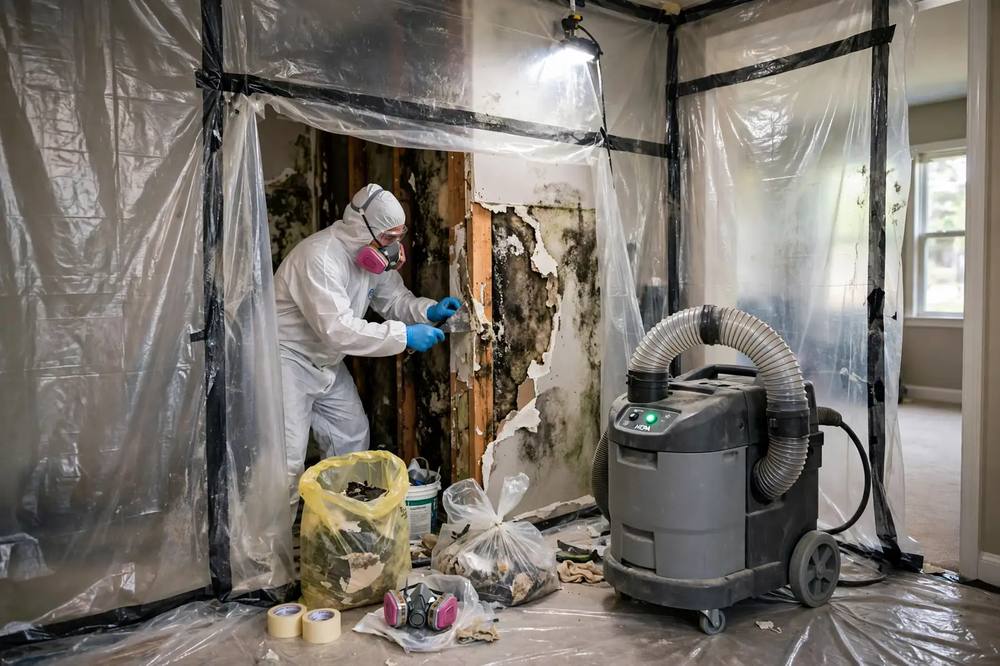
For a small clean-water leak, most families stay in the home while the work goes on. For sewage, or for a large area with heavy mold, it is usually best to stay out of the affected rooms until the cleaning is done. A provider who has seen the home can advise you.
Should I use a household vacuum or mop to clear the water?
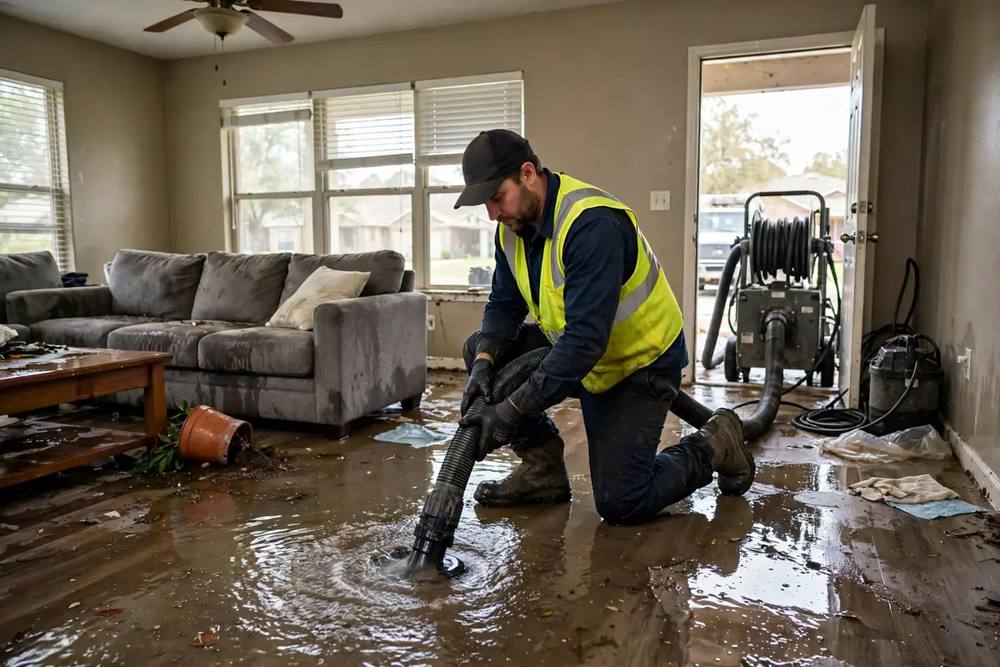
No. A household vacuum is not made for standing water, and using one can damage the machine and put you at risk if the water has reached any wiring. A mop can help with a small spill, but it cannot remove water that has soaked into flooring and drywall. A provider uses pumps and extractors made for the job.