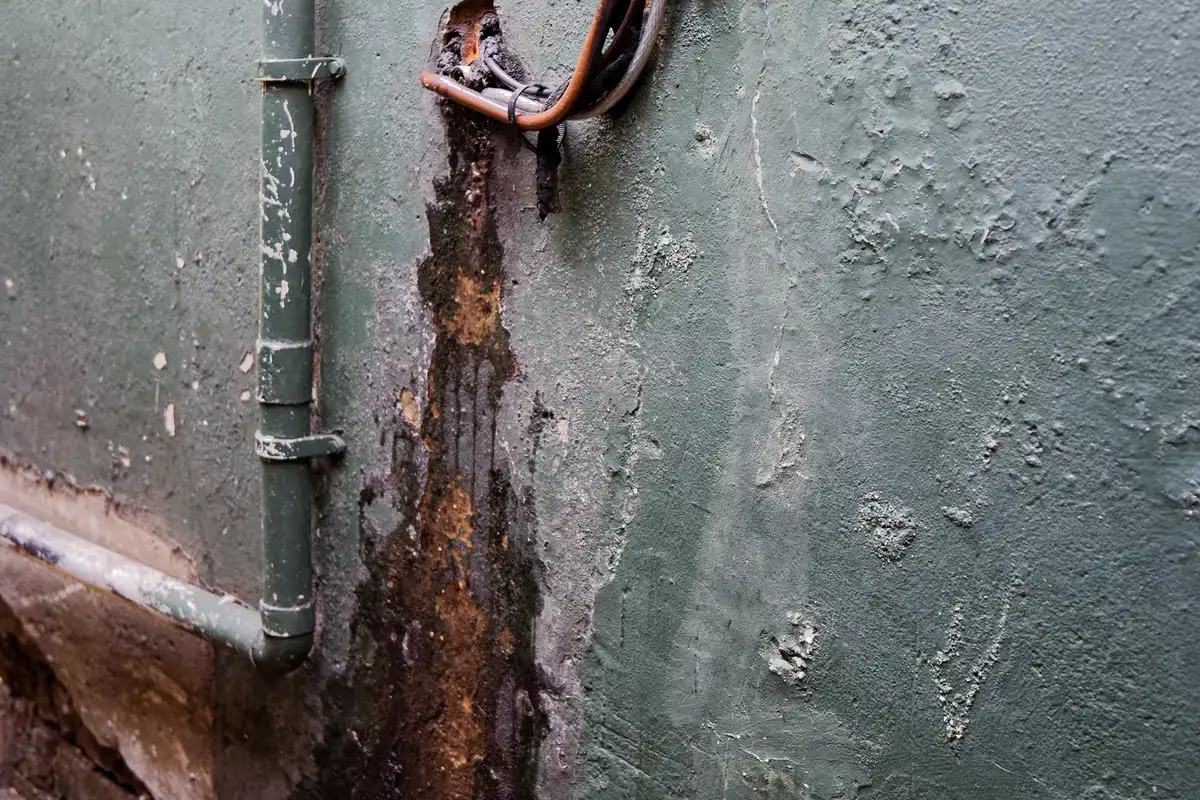
Most water damage in Rockwall does not start with a flood. It starts quietly, inside a wall, under a floor, or above a ceiling. By the time you see it, it has been wet for days. The five signs in this guide are the early warnings homeowners notice first, and each one is worth taking seriously on its own. Two or more together mean it is time to call. For a hidden leak, this site connects Rockwall callers with local providers who can check a home for water damage you cannot see. When you call (945) 422-7610, a provider can talk through what you are seeing and arrange for someone to check your walls and floors with a moisture meter. Calls are answered any time, day or night.
Updated: November 2026
1. A Musty Smell That Won't Go Away
If a closet, bathroom or bedroom smells earthy or musty even after cleaning, water is likely trapped nearby. The smell comes from damp materials that have been wet for a while, often inside a wall or under a floor where the air cannot reach them. In the humidity near Lake Ray Hubbard, wet drywall can develop that smell in a day or two, long before anything shows on the surface.
Pay attention to where the smell is strongest. A musty closet may mean a leak in the wall behind it. A musty bathroom may mean water under the floor around the tub or the toilet. The smell is your first warning, and it is worth acting on even when the room looks fine. Open the closet, smell the air near the skirting, and note when the smell started. That detail helps a provider work out where the water is.
2. A Warm Spot on the Floor
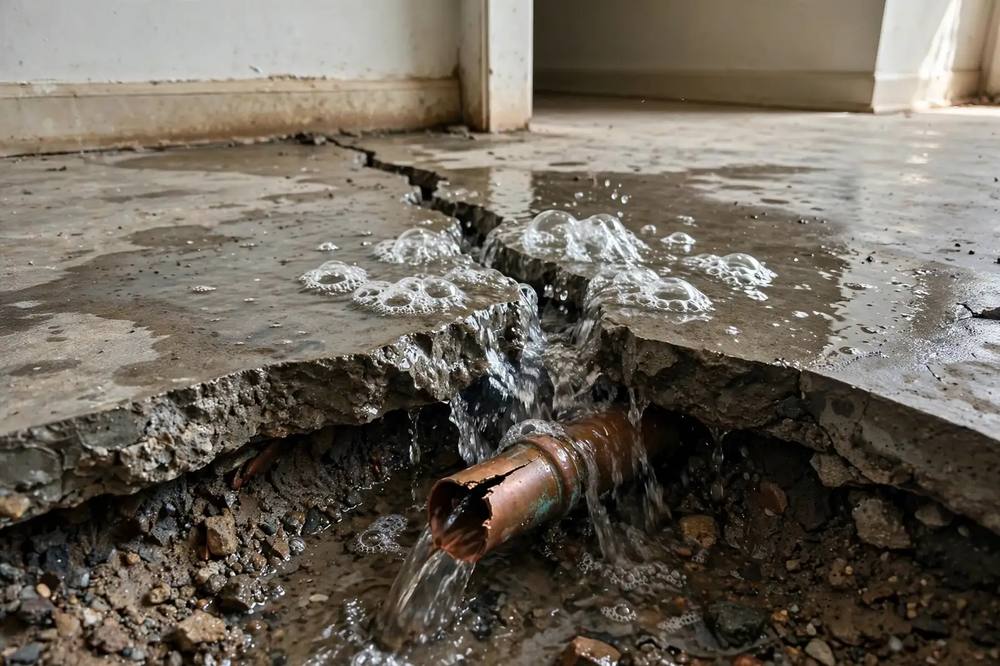
Most Rockwall homes sit on a concrete slab, and a hot water line leaking under that slab warms the floor above it. If one spot on your floor feels warm and the rest does not, do not ignore it. Walk the room in bare feet and compare the temperature across the floor. A warm patch that stays warm is a sign that hot water is running where it should not be.
A warm spot can also mean the floor itself is damp, because wet materials hold heat differently from dry ones. Either way, it deserves a check. Note where the warm spot is, how big it is, and whether it has grown since you first noticed it. A provider can take moisture readings in the floor and the walls around it, and work out whether a pipe under the slab is the cause.


3. Paint Peeling, Bubbling or Staining
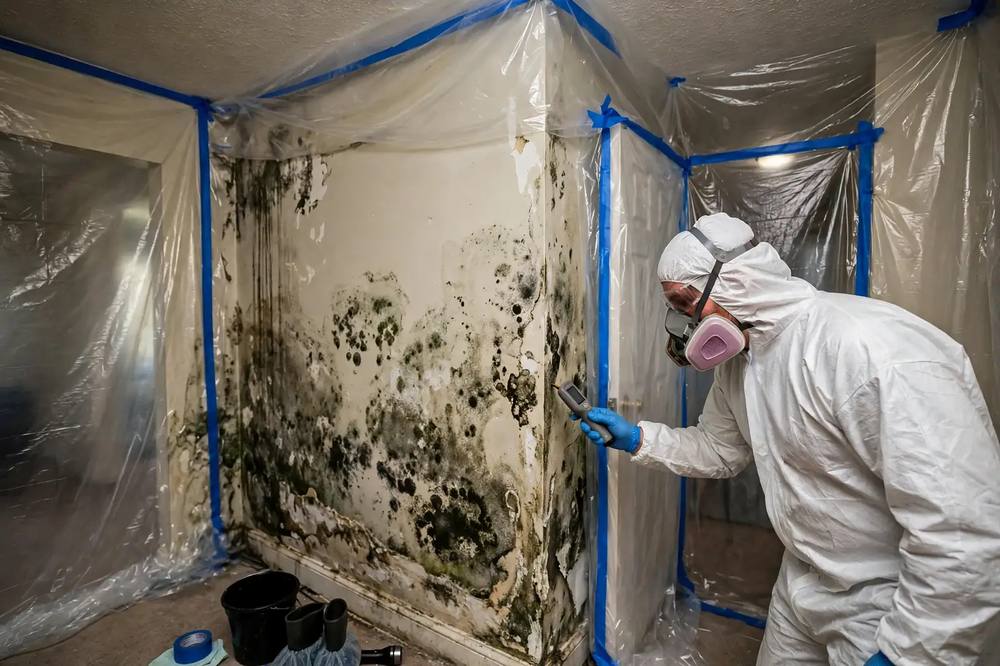
Paint that bubbles, peels or shows a brown stain means water is pushing through from behind. It is common on bathroom walls, kitchen walls behind the sink, and ceilings under an upstairs bathroom, because those are the places where a leak reaches the surface first. The stain may be small, and the bubbling may be easy to miss, but both mean the material behind the paint is wet.
Do not just repaint over it. Fresh paint over a wet wall traps the damp inside, and the bubbling will come back. Take a photo of the stain or the peeling paint, note when you first saw it, and check whether it is growing. If the ceiling below an upstairs bathroom is staining, the leak is above it, and the longer it runs, the more of the ceiling and the wall it will soak.
4. A Water Bill That Jumps for No Reason
If your water bill jumps noticeably with no change in how your household uses water, you may have a hidden leak. No extra guests, no new appliances, no garden watering, and yet the bill is well above normal. That water is going somewhere, and if it is not going down a drain, it is going into your home.
You can check the meter yourself. Turn off every faucet and every appliance that uses water, then look at the meter and note the reading. Wait a while, then look again. If the reading has moved while everything was off, water is going somewhere it should not be. Note the date you noticed the change and how the bill compares with your usual bills, and tell the provider when you call. That history helps work out how long the leak may have been running.
5. The Sound of Running Water When Nothing Is On
Stand in a quiet room, late at night or early in the morning when the house is still. If you hear hissing or running water with every faucet off, that is a leak in a wall or under the slab. The sound may be faint, and you may need to press your ear to the wall to hear it, but it is there, and it means water is moving through a pipe that should be still.
If you hear it, turn off the main valve and call. The main valve stops the flow, and the provider can then find where the leak is. Do not wait for a stain to appear, because a leak you can hear has already been running long enough to soak the materials around it. Put the kettle on, sit down, and make the call.
What to Do Next
If you see two or more of these signs together, do not wait. Take photos of stains, peeling paint and wet areas, and note when you first noticed the smell or the change in your bill. Turn off the source if you can do it safely, and do not repaint over a stain or cover a damp patch with furniture. The evidence helps a provider find the leak, and it helps your insurer understand what happened.
Then call (945) 422-7610 to connect with a local provider in Rockwall who can check walls and floors with a meter and thermal imaging. An early check can save floors, drywall and a great deal of trouble. A late check saves nothing. It only finds more damage than was there when you first noticed the sign.
If you see two or more of these signs together in your Rockwall home, do not wait. Call (945) 422-7610 any time, day or night, and connect with a local provider who can check your walls and floors with a moisture meter and tell you what is really going on.
Frequently Asked Questions
How can I check for hidden leaks myself?
Look for musty smells, stains, peeling paint, warm spots on the floor, and a water bill that jumps with no change in use. For proof, a provider uses a moisture meter and thermal imaging to find where the water has reached inside walls and floors.
Will my walls need to be opened?
Not always. Small areas can often be dried without opening walls. If drywall is soaked, or if mold is inside the wall, a small cut is needed to dry it properly. A provider can explain what is needed once the readings are taken.
Is a musty smell always mold?
Not always, but a musty smell almost always means moisture is present somewhere nearby. Where moisture sits for days, mold can follow. Get it checked, even if you cannot see anything on the wall.
How fast should I call?
As fast as you can. Hidden leaks spread every day, soaking more drywall and flooring the longer they run. Call (945) 422-7610 as soon as you notice a sign, rather than waiting to see whether it gets worse.
Does insurance cover hidden leaks?
Many sudden hidden leaks are typically covered, while long-term leaks that were ignored often are not. Document when you first noticed the sign, take photos, and ask your adjuster for a written answer about your particular policy.
I only see one sign — should I still call?
Yes, it is still worth a call. One sign on its own can be the early warning of a leak that has only just started, and catching it early means a smaller job. A provider can check the area with a meter and tell you whether there is anything to worry about.