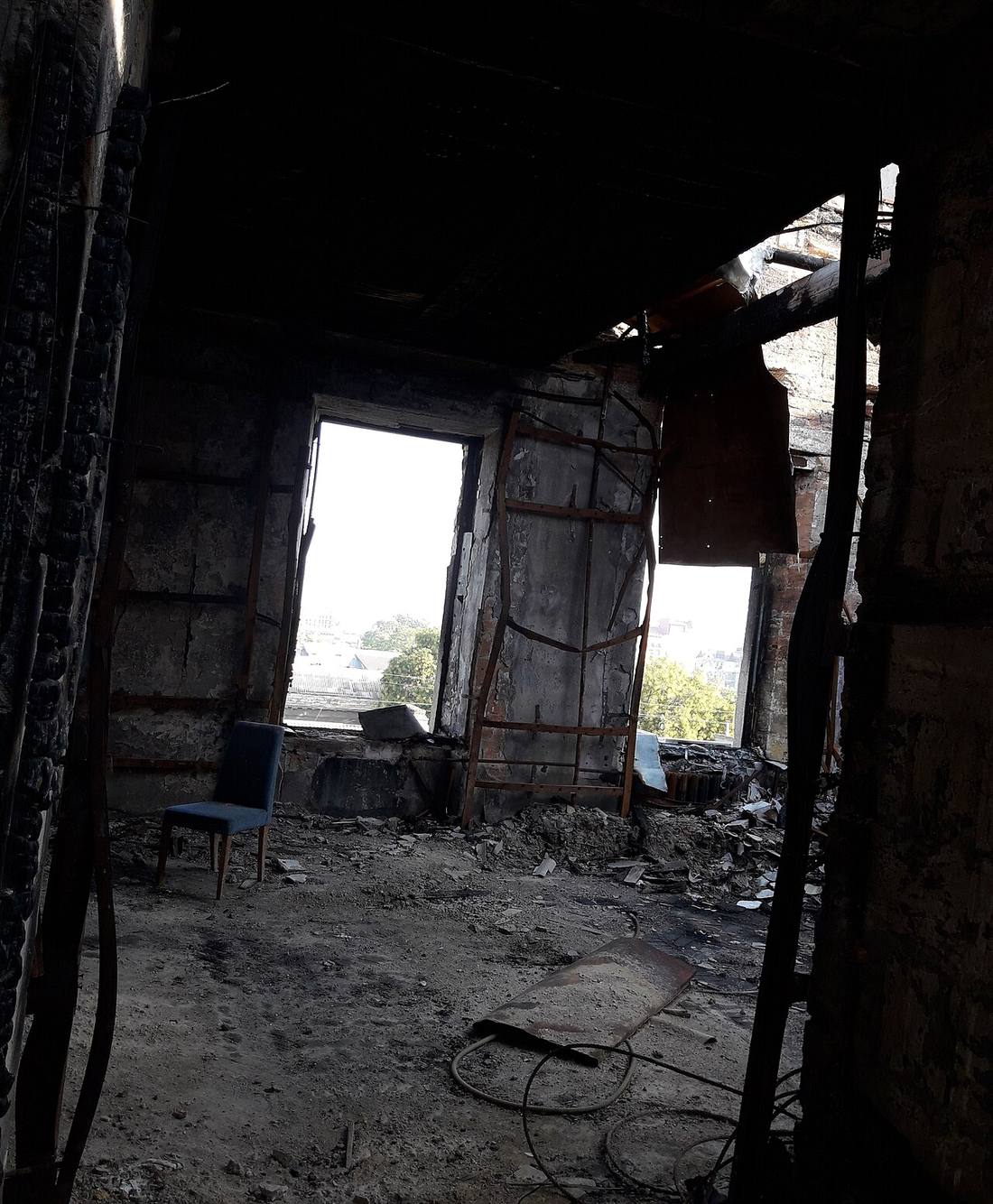
Fire Damage Restoration
Soot cleaning, odor removal, and drying after a kitchen fire, with the water left behind by fire hoses handled at the same time.
Learn more →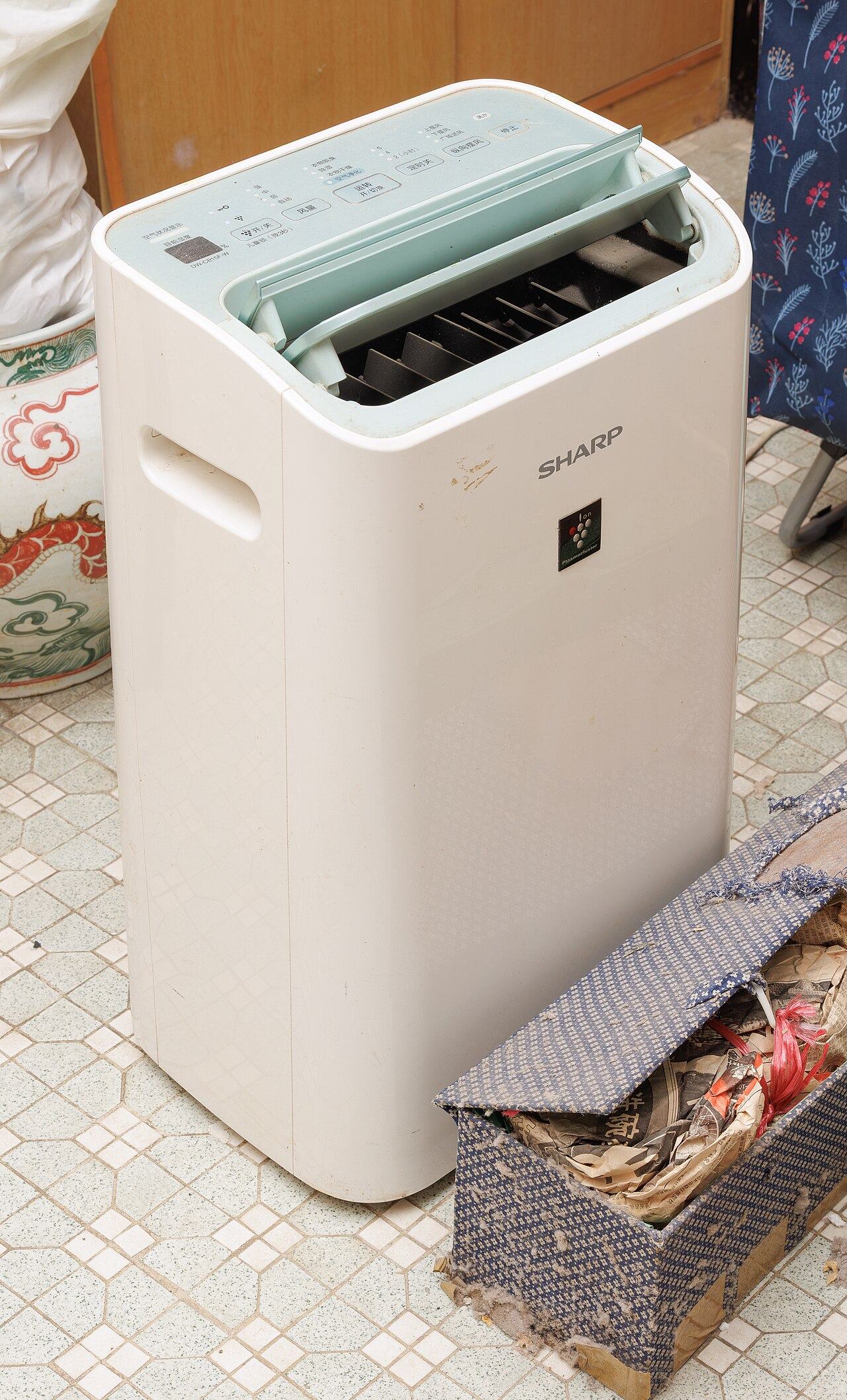
When water has been removed from a home, the job is only half done.
One call connects you with a local provider serving Rockwall, Rowlett, Fate, and Heath.
When water has been removed from a home, the job is only half done. The water you could see is gone, but the water that soaked into walls, floors and subfloors is still there, releasing slowly into the air and into the materials around it. Structural drying in Rockwall TX is the work of getting that hidden moisture out, so the building itself is dry through, not just dry to the touch. Homes across Rockwall County, in the 75032 and 75087 ZIP codes, are built from the same mix of materials, with drywall, wood framing, insulation and subfloors that all absorb water in their own way. A leak under a kitchen sink, a flood in a ground-floor room, or water coming in through a roof can leave moisture deep inside a wall cavity or under a floor covering. Homes in Chandlers Landing, Breezy Hill, The Shores, Stone Creek and Downtown Rockwall can all face this, as can homes in nearby Rowlett, Fate and Heath, and the pattern is the same in each case: the surface dries first, and the structure takes longer. This page explains how structural drying works, how moisture meters are used to find hidden dampness, and how long drying can take. If parts of your home are still damp after water damage, a local provider can check the moisture and plan the drying.
Updated: November 2026
Structural drying in Rockwall TX begins with measurement, not with equipment. A provider takes moisture readings in the affected rooms, testing drywall, wood framing, flooring and subfloors in several places. Those readings show where moisture is highest and how deep it has gone, and they give the provider a picture of what needs drying and what is already dry. Without those readings, drying would be guesswork, and damp areas inside walls or under floors could be missed entirely.
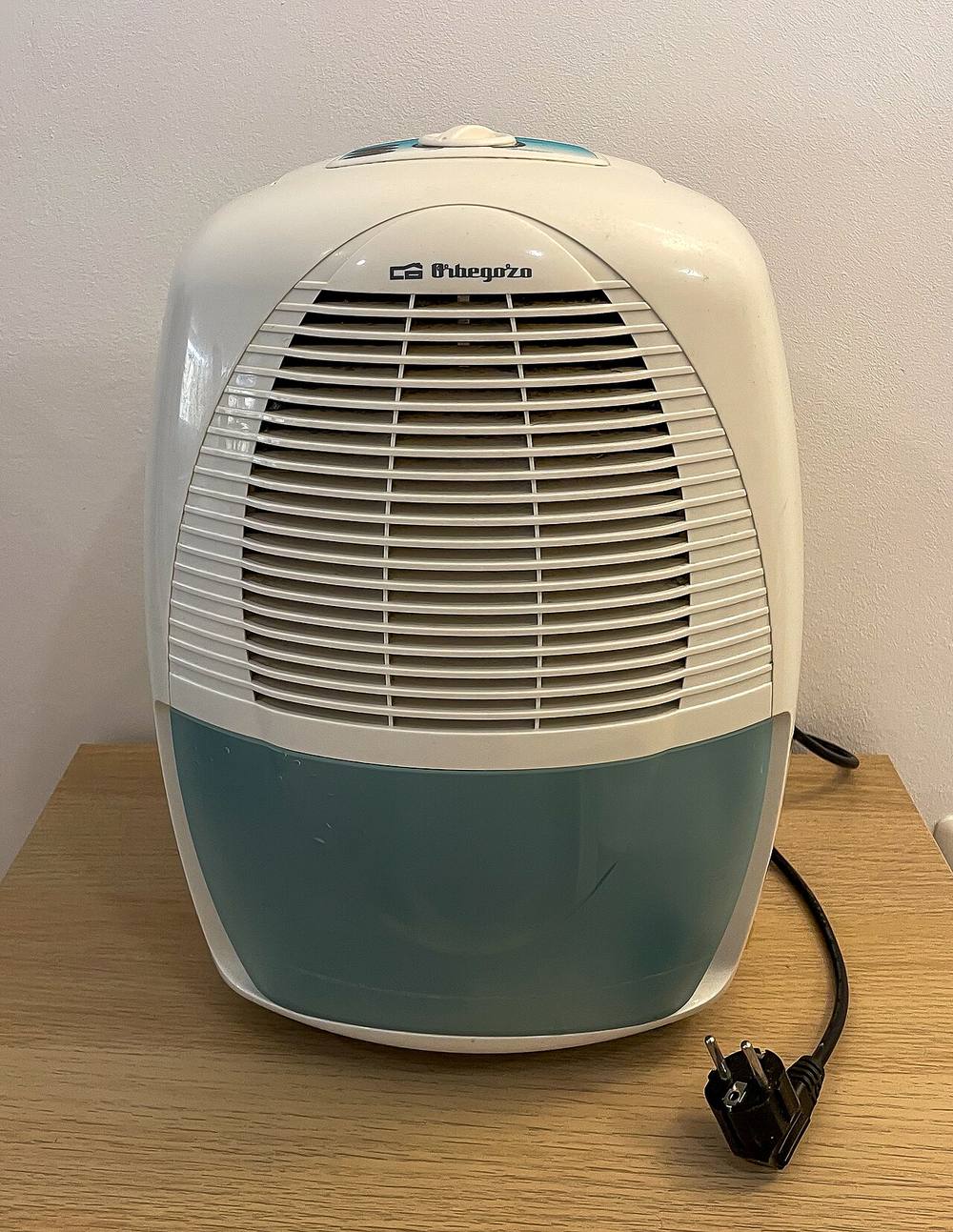
Once the readings are taken, air movers are placed to push dry air across the wet surfaces, and dehumidifiers are set up to pull moisture out of the air. The two work together: the air movers help moisture leave the materials, and the dehumidifiers remove that moisture from the room so the air stays dry enough for the process to continue. A provider will return to take fresh readings and adjust the setup until the structure is dry through.
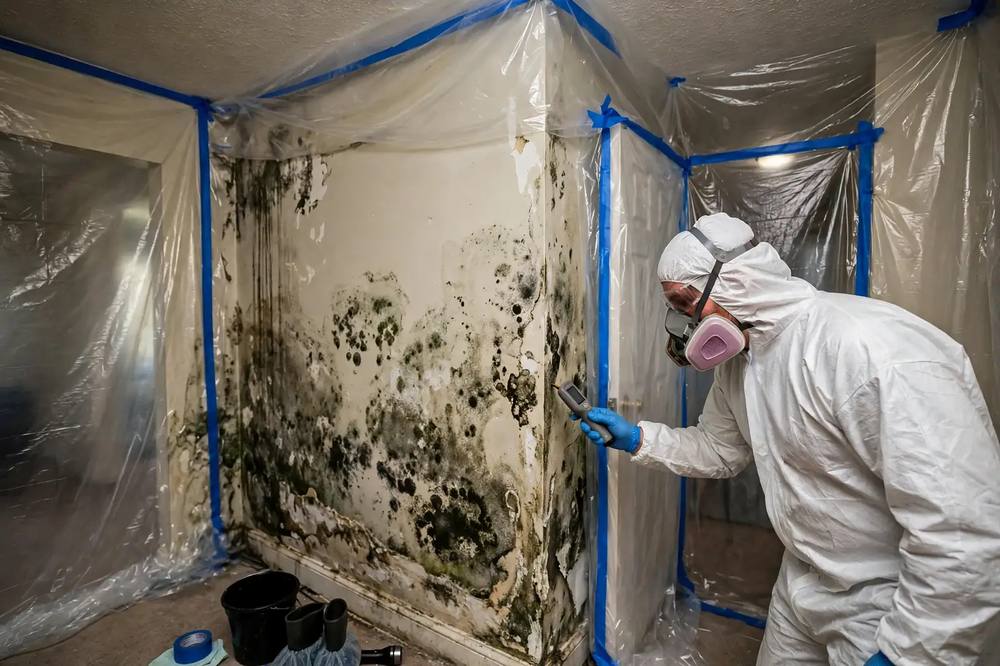
Walls are often the slowest part of a home to dry, because water hides inside them. Drywall soaks up water quickly, insulation behind it holds water for a long time, and wood framing releases moisture slowly. A wall can feel dry on the outside while the inside is still damp, and that hidden dampness is the reason walls need to be checked with a moisture meter rather than by touch alone.
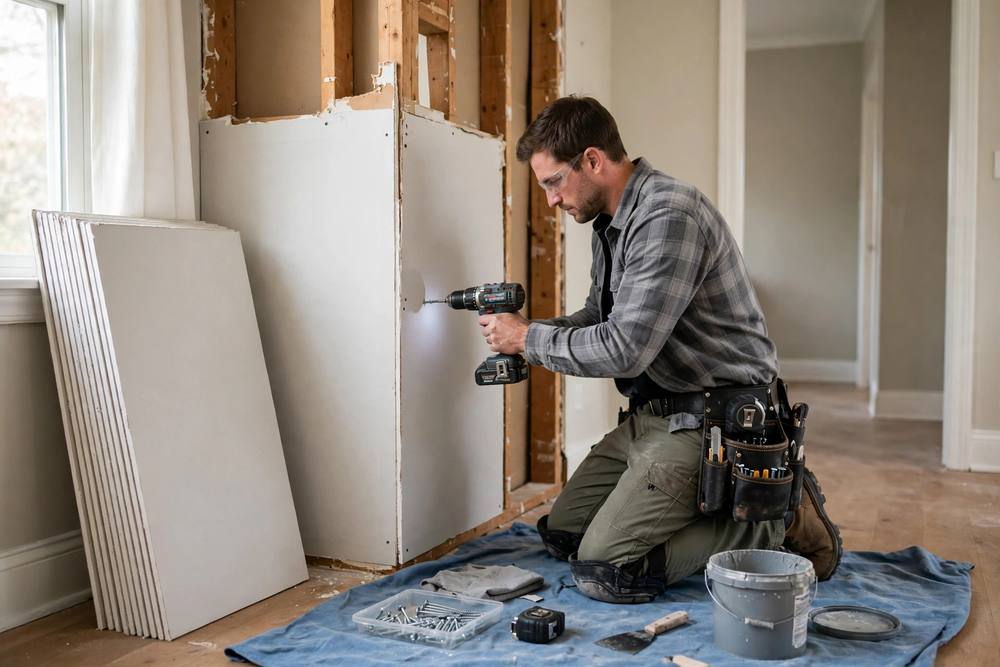
In some cases, the lower section of drywall needs to be removed so the wall cavity can dry. This is common when water stood against a wall for hours, or when the drywall has swollen and softened. Removing the damaged section lets air reach the framing and insulation behind it, and it lets the provider see how far the moisture spread. Baseboards are often removed during this work, because water collects behind them and the wall beneath them stays damp.
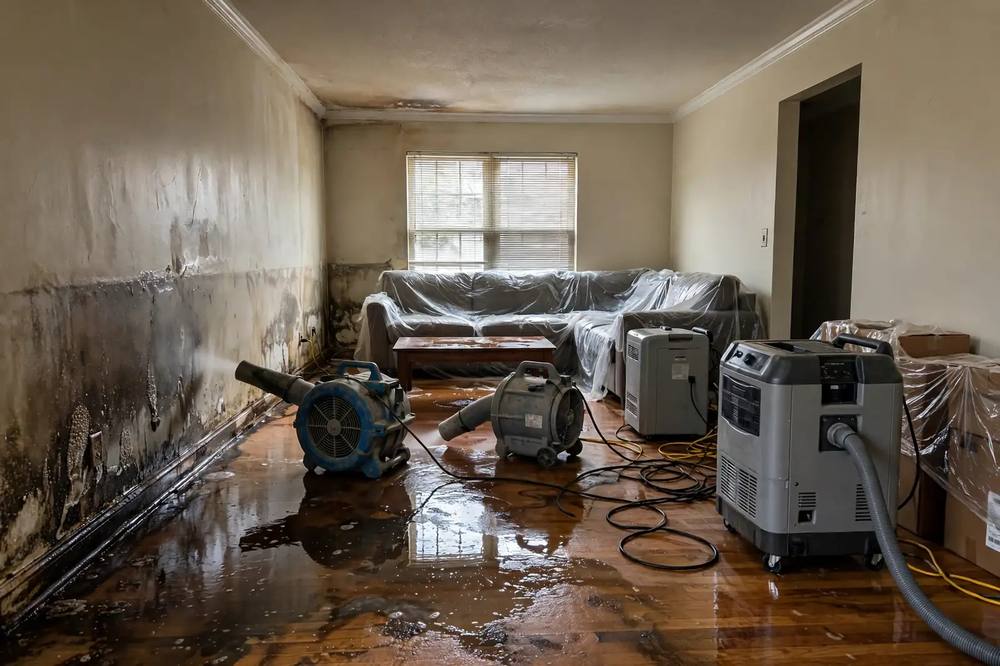
Floors present their own challenge, because water gets under them as easily as it gets on top of them. Wood flooring absorbs water and can swell and cup, while laminate and vinyl can trap water beneath them, holding it against the subfloor. Carpet and underlay soak up water and pass it down to the floor below, so a carpet that has been dried on top can still be wet underneath. That is why providers check moisture in the subfloor itself, not just in the floor covering you can see.
Drying a subfloor often means lifting the floor covering so air can reach the layer beneath. In a kitchen or bathroom, that may mean lifting tiles or vinyl in the affected area. In a living room, it may mean lifting carpet and underlay in the wet section. The subfloor is then dried with air movers and dehumidifiers, with readings taken until the moisture level falls. A subfloor that is covered up while still damp can develop odors and can damage the new floor covering above it, so the drying should be finished before the floor is put back.
A moisture meter is the main tool a provider uses to judge whether a home is dry, and it matters because touch and sight are not reliable after water damage. The meter measures moisture inside a material, giving a reading that shows how wet the drywall, wood or subfloor is beneath the surface. Providers take readings in the affected rooms and in nearby rooms that look dry, so they can compare the two and see how far the moisture spread. Those readings are recorded, and fresh readings are taken on each visit, so the provider can track whether the structure is drying and how quickly.
Drying time varies a great deal, and it is shaped by the materials involved, the amount of water, the weather, and how quickly the water was removed. A wall that was wet for a short time dries faster than a wall that stood in water for hours. Drywall dries faster than wood framing, and a subfloor dries more slowly than either. A provider can give a clearer picture after taking readings in your home, and can say which rooms need equipment and which are already dry. The drying is finished when the readings show it is finished, not when the room looks dry.
Drying equipment is noisy, and it changes how a room feels, but it needs to be left running to do its work. Air movers push a constant flow of air across wet surfaces, and dehumidifiers pull moisture out of that air, and both need to run without interruption. Switching equipment off at night or opening windows in a room that is being dried lets humid air back in and slows the process, so a provider will explain how to live around the equipment and when it can be moved or switched off.
It helps to keep the rooms being dried as closed off as practical, so the dehumidifiers are working on the air in those rooms rather than on air from the rest of the house. Furniture should be moved away from wet walls and floors if that is practical, and rugs and soft furnishings should be kept out of the drying rooms. A provider will check the equipment, take fresh readings, and let you know when the drying is complete and the equipment can be taken away.
Calling is simple, and you talk to a real person who connects you with a local provider serving Rockwall. Here is how it usually goes, from the first call to the start of drying.
Call (945) 422-7610. Tell us where the water is, how long it has been there, and if power or sewage is involved.
A local provider checks the source and uses a moisture meter to find water behind drywall and under flooring.
Standing water comes out with pumps and extractors. Wet padding and damaged drywall are flagged for removal.
Air movers and dehumidifiers dry the structure, not just the surface. Readings are taken until wood and drywall test dry.
Surfaces are cleaned and treated so mold does not start. Then repair can begin.
Other help a local provider can connect you with.
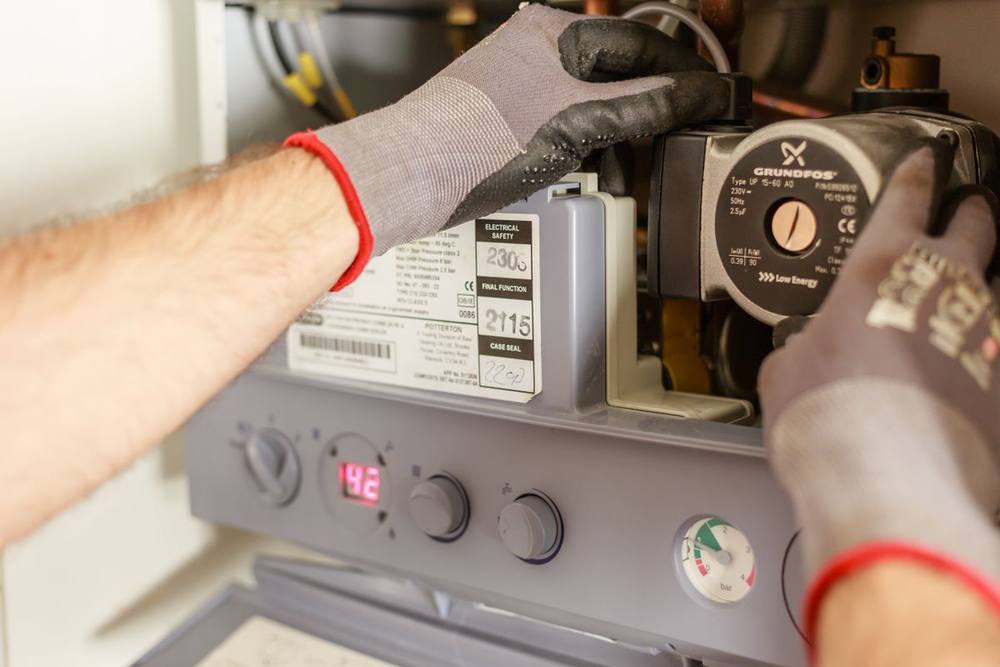
Soot cleaning, odor removal, and drying after a kitchen fire, with the water left behind by fire hoses handled at the same time.
Learn more →
Containment and cleaning for musty smells and mold after a leak that was not dried in time.
Learn more →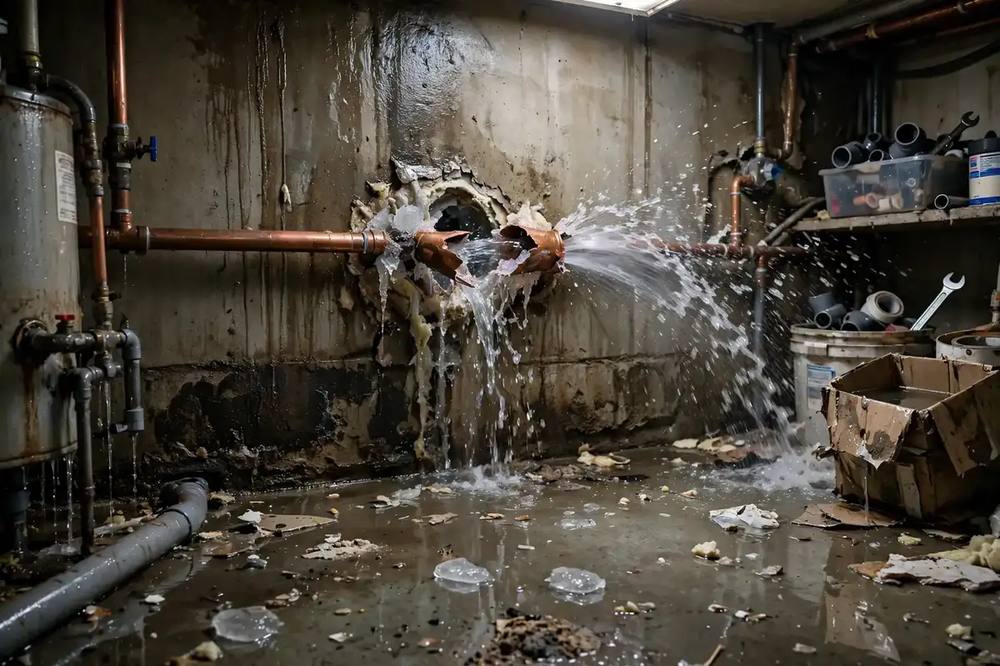
Fast extraction and drying when a pipe bursts in an attic, a wall, or under a slab.
Learn more →If parts of your Rockwall home are still damp after water damage, call (945) 422-7610 any time, day or night. A local provider will talk through what has happened, explain how structural drying works, and arrange a visit to check moisture levels in your home in Rockwall County. Dampness that is left alone rarely improves on its own, so make the call and get the structure checked.
Structural drying in Rockwall TX is the process of removing moisture from the structure of a home after water damage, including walls, floors, subfloors and ceilings. It uses air movers and dehumidifiers to draw moisture out of building materials, with moisture meters used to track progress. The work is finished when readings show the structure is dry through, not just dry on the surface.
Drying time depends on how much water entered the home, how long it stayed, and which materials it reached. Drywall and wood dry at different rates, and a wall that soaked up water for hours takes longer than a floor that was wet for a short time. A provider can give a clearer picture after taking moisture readings in the affected rooms.
A moisture meter measures how much moisture is present inside a material, such as drywall or wood, rather than just on its surface. Providers take readings in several places, including inside walls and under floors, to find where moisture remains. The readings are taken again as drying goes on, so the provider can see which areas are drying and which need more time.
Walls dry from the outside in, and the surface can feel dry while the inside of the wall is still damp. Drywall, insulation and wood framing all hold water, and they release it slowly. That is why drying equipment is left running until moisture readings fall, even when the room looks and feels dry.
Yes, subfloors hold water and release it slowly, which is why a floor can feel dry on top while the subfloor beneath is still damp. Providers check moisture under floor coverings and in the subfloor itself, and drying equipment is placed to reach those lower layers. Floor coverings may need to be lifted so the subfloor can dry properly.
You can call any time, day or night, including weekends. A local provider will take your details, ask what caused the water damage and which rooms are affected, and arrange a visit to check moisture levels. Mention whether water is still present, so the provider can advise on what to do first.
If you see water, smell mustiness, or hear running water when nothing is on, call now. Water damage does not wait, and neither should you.
Call (945) 422-7610Calls answered any time, day or night — including nights, weekends, and holidays.