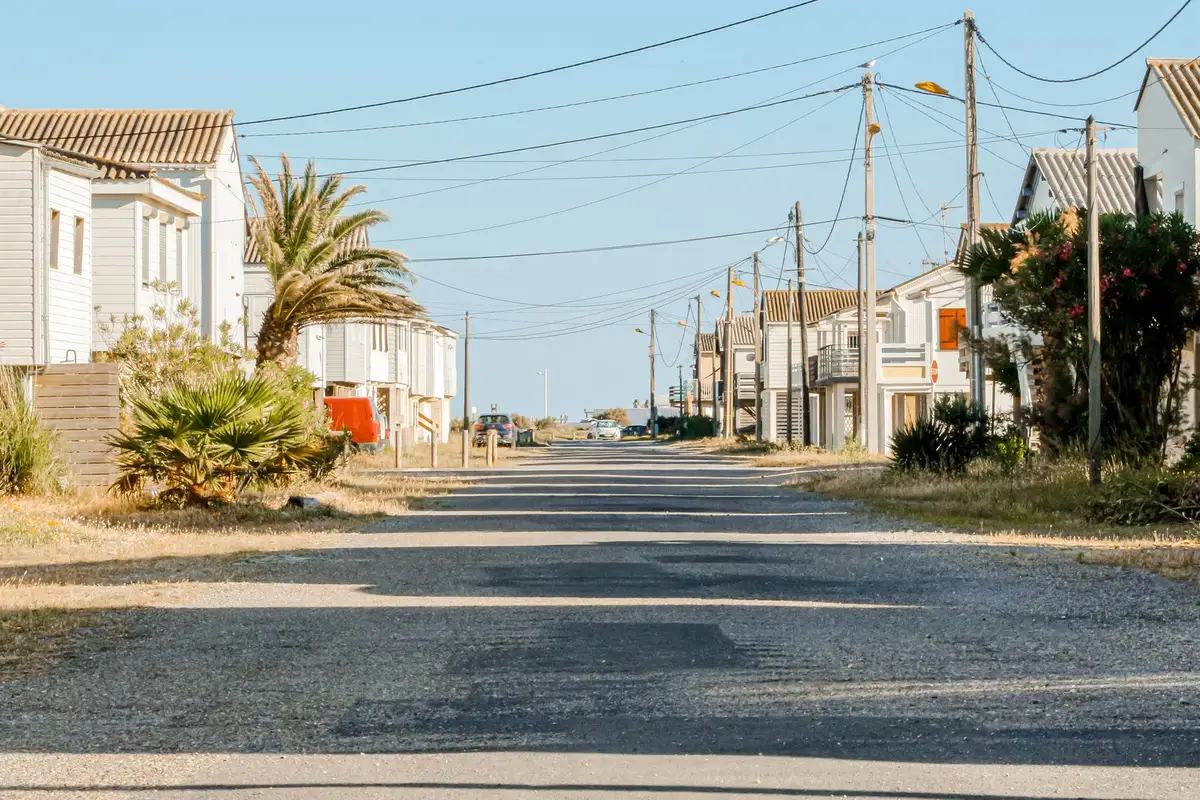
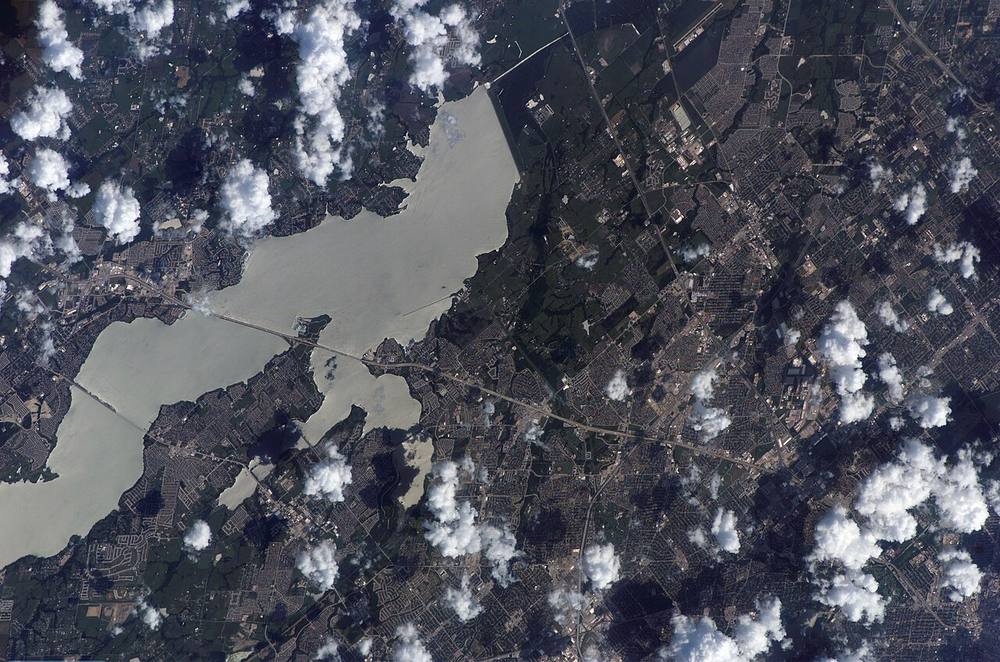
Rowlett sits on the shore of Lake Ray Hubbard, just across the water from Rockwall, and its homes get wet in much the same ways: heavy storms rolling in off the lake, hail that damages a roof, attic pipes that freeze in a winter cold snap, and slab foundations that hide a leak until the floor tells the story. When water gets into a Rowlett home, the question is not whether to act, but how quickly the water can be removed and the home dried. This site connects callers in Rowlett with local providers who handle water damage restoration, including extraction, drying and mold prevention. When you call (945) 422-7610, you can describe what is happening in your home, ask what to do right now, and connect with a provider serving Rowlett and the nearby towns of Rockwall, Garland, Sachse and Wylie. Calls are answered any time, day or night.
Updated: November 2026
Why Rowlett Homes Get Wet
Rowlett's position on Lake Ray Hubbard shapes how its homes get wet. Storms build over the open water and arrive with heavy rain and strong wind, and the same lake keeps the air humid long after the storm has passed. That humidity matters, because wet drywall and flooring dry more slowly in damp air, and a leak that might dry out on its own in a dry climate stays wet here. Homes close to the shore feel this most, but the whole city sits in the same damp air.
The other Rowlett pattern is the slab foundation. Most homes here sit on a concrete slab, and when a pipe under that slab leaks, the water spreads through the walls and floors before it ever shows on the surface. Add in attic pipes that freeze during a winter cold snap, and you have the three causes behind most calls from Rowlett: storms and hail, slab leaks, and frozen pipes. Each one needs the same response: get the water out, find how far it spread, and dry the home properly.
Common Leaks in Rowlett Homes
The leaks a provider sees most often in Rowlett are ordinary household failures, and they happen in every part of town. A water heater in a garage lets go and floods the room around it. A washing machine hose splits while nobody is home, and the laundry room is under water by the time someone walks in. An air conditioning drain line blocks in the summer, and condensation drips into a ceiling or a closet for weeks before anyone notices the stain.
Roof leaks are the quieter ones. Hail can crack shingles without leaving an obvious hole, and the water finds its way in slowly, staining a ceiling or softening drywall over days. By the time the stain appears, the insulation above it may already be soaked. Whatever the source, the steps are the same: stop the water if you can do it safely, take photos, and call. A provider can help you work out where the water came from, even when the source is not obvious.
- Burst pipes in attics and outside walls during a winter freeze
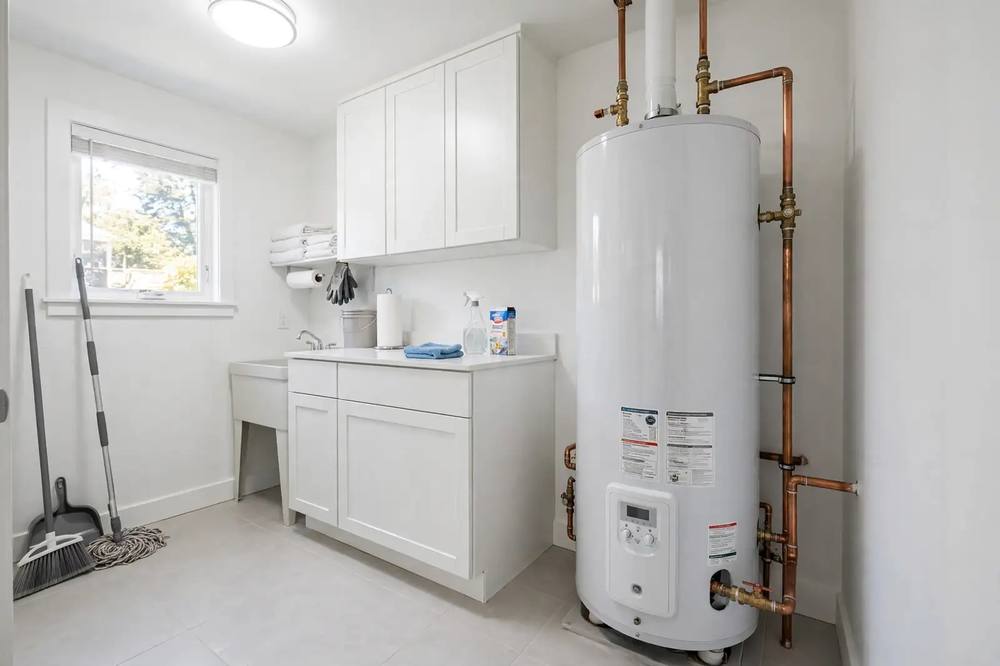
- Water heater failures that flood a garage or utility room
- Washing machine and dishwasher hoses that split after years of use
- Air conditioning condensation that drips where a drain line has blocked
- Roof leaks after hail, often showing up as a stain on a ceiling days later
What Happens When You Call
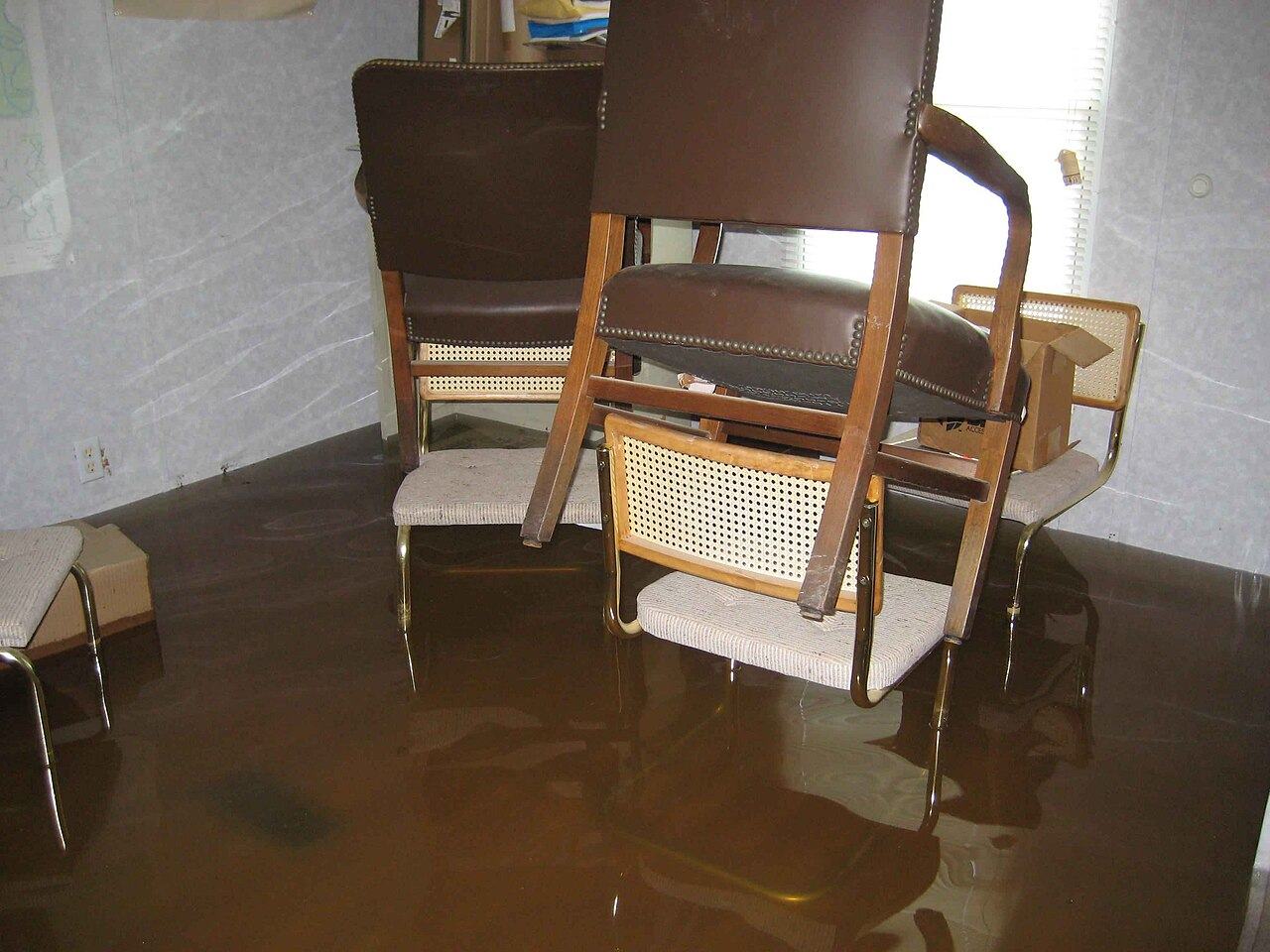
You do not need the right words for what is wrong. Tell the provider where the water is and what it looks like: a burst pipe in the attic, a wet patch spreading across the living room floor, a ceiling stain that was not there yesterday. Mention if your home is near the lake, because that tells the provider something about the humidity the drying will have to deal with. All of that helps the provider understand what the job is likely to involve.
The provider will ask what the water looks like, whether it is still running, and how many rooms are wet. You will get advice on what to do while you wait, such as turning off the main valve or moving valuables out of the water. The visit itself is where the provider takes moisture readings and finds how far the water spread, including under flooring and inside walls that look dry from the doorway.
- You describe what is happening, in your own words, and where the water is
- A provider asks a few questions: what the water looks like, how many rooms are wet, and whether the source is stopped
- You talk through what to do while you wait, such as shutting off water or power to wet rooms
- A provider serving Rowlett arranges to come out and look at the home
Drying Rowlett Homes: Slabs, Attics and Lake Humidity
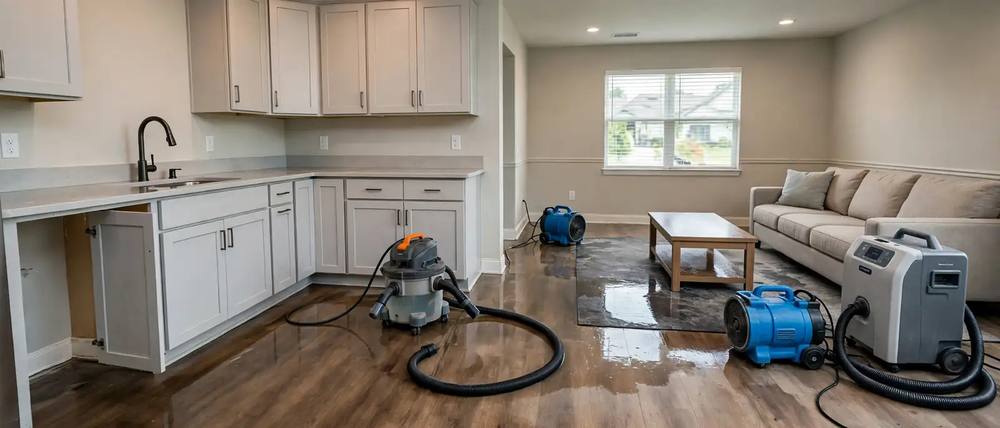
Drying a Rowlett home means dealing with the slab, the attic, or both. Water from a slab leak spreads sideways under the flooring and up into the walls, and it hides under luxury vinyl plank and hardwood where it cannot evaporate on its own. A provider uses moisture meters to find where the water has reached, because a floor can look dry while the material underneath is still wet. In some cases a section of flooring needs to be lifted so the material below can dry.
Lake humidity makes the job slower if it is not handled properly. Air movers push dry air across wet surfaces, and dehumidifiers pull the moisture out of the air so the materials can keep giving it up. Without dehumidifiers, wet materials in Rowlett can pull moisture back from the damp air almost as fast as they lose it. A provider keeps taking readings until the wood and drywall test dry against unaffected areas of the home, and that is the point at which the drying is done.
Rowlett and Nearby: Rockwall, Garland, Sachse and Wylie
Providers serving Rowlett also cover the towns around it, including Rockwall across the lake, and Garland, Sachse and Wylie to the north and west. That matters when a storm hits the whole area at once, because the same heavy rain that floods a Rowlett street is often falling on the neighboring towns too. If you live just outside Rowlett, on the border with one of these towns, call anyway and describe where you are. The provider can tell you whether your street is covered.
The I-30 corridor runs right through this part of Rockwall County, and many of the homes along it share the same building patterns: slab foundations, attic plumbing, and roofs that have seen their share of hail. If you are in Rowlett and standing in water right now, the advice is the same as it is anywhere else in the county. Stop the source if you can do it safely, take photos, and call (945) 422-7610. Drying cannot wait for the water to stop on its own, because it will not.
More Neighborhoods in Rockwall
Other areas where local providers help.

Breezy Hill
Newer builds near SH-205, where appliance leaks and water heater failures are the common calls.
Learn more →
Nearby Cities
Water damage help in the towns around Rockwall.
Rowlett, TX
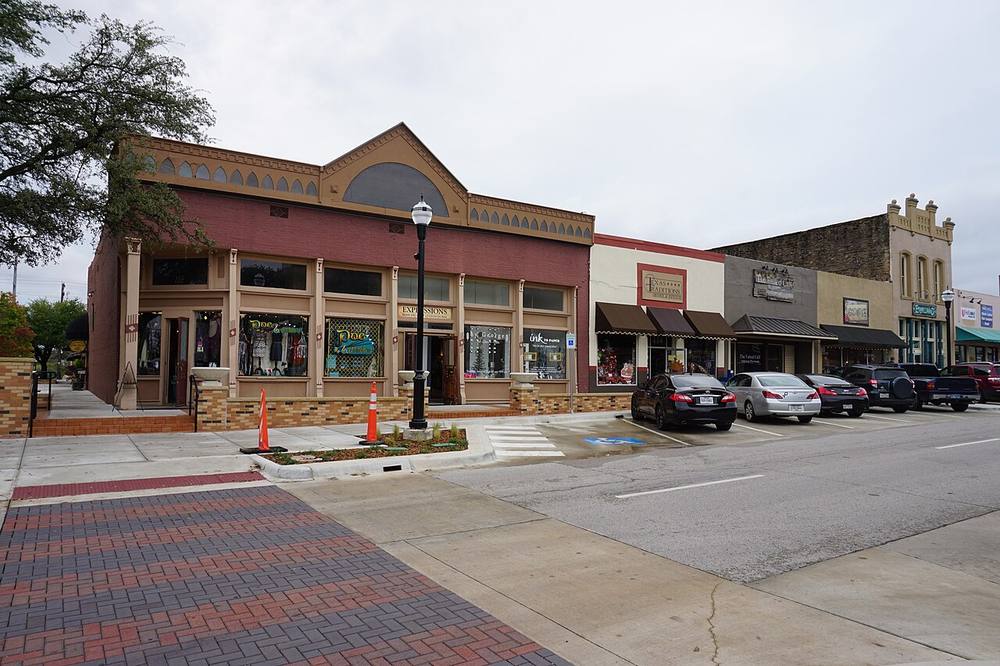
West shore of Lake Ray Hubbard, sharing the same storm and humidity pattern as Rockwall.
Learn more →
Fate, TX
A growing town east of Rockwall, where new builds still get appliance leaks and water heater failures.
Learn more →
If water is coming into your Rowlett home, call (945) 422-7610 any time, day or night, and connect with a local provider serving Rowlett and the towns around Lake Ray Hubbard. Describe what is happening, and a provider can talk through what to do next.
Frequently Asked Questions
How fast can you reach Rowlett?
It depends on where you are in Rowlett, the time of day, and how busy local providers are after a storm. Rowlett sits on the I-30 corridor, and providers serving the lake side of the county cover it regularly. Call (945) 422-7610 as early as you can, and a local provider can give you a realistic picture of when someone can come out.
What should I do first?
If the water is coming from a pipe or an appliance, shut it off at the source or at the main valve, if you can do it safely. Keep away from water near outlets, move valuables out of the wet rooms, and take photos of everything before you move it. Then call (945) 422-7610 to connect with a local provider serving Rowlett.
How much does it cost?
It depends on what kind of water it is, how many rooms are affected, and how long it sat before it was found. A lakeside home with water under the flooring needs different work from a single-room leak caught early. Call (945) 422-7610 and describe your home, and a local provider can talk through what affects the work involved.
How long does drying take?
Lake humidity slows drying in Rowlett, so a provider pairs air movers with dehumidifiers and keeps taking moisture readings. A small leak caught early dries sooner than water that spread under flooring or into several rooms. The readings, compared with dry areas of your home, are what say the drying is done.
Do you work 24/7?
Yes. Calls are answered any time, day or night, including nights and weekends, because a leak at two in the morning does not wait for business hours. If you are standing in water, call then rather than waiting for morning.
Do providers serve homes near Lake Ray Hubbard in Rowlett?
Yes. Providers serving Rowlett cover homes around Lake Ray Hubbard, including lakeside streets where humidity runs high and storms can push water in quickly. Mention that your home is near the lake when you call, so the provider knows what to expect.