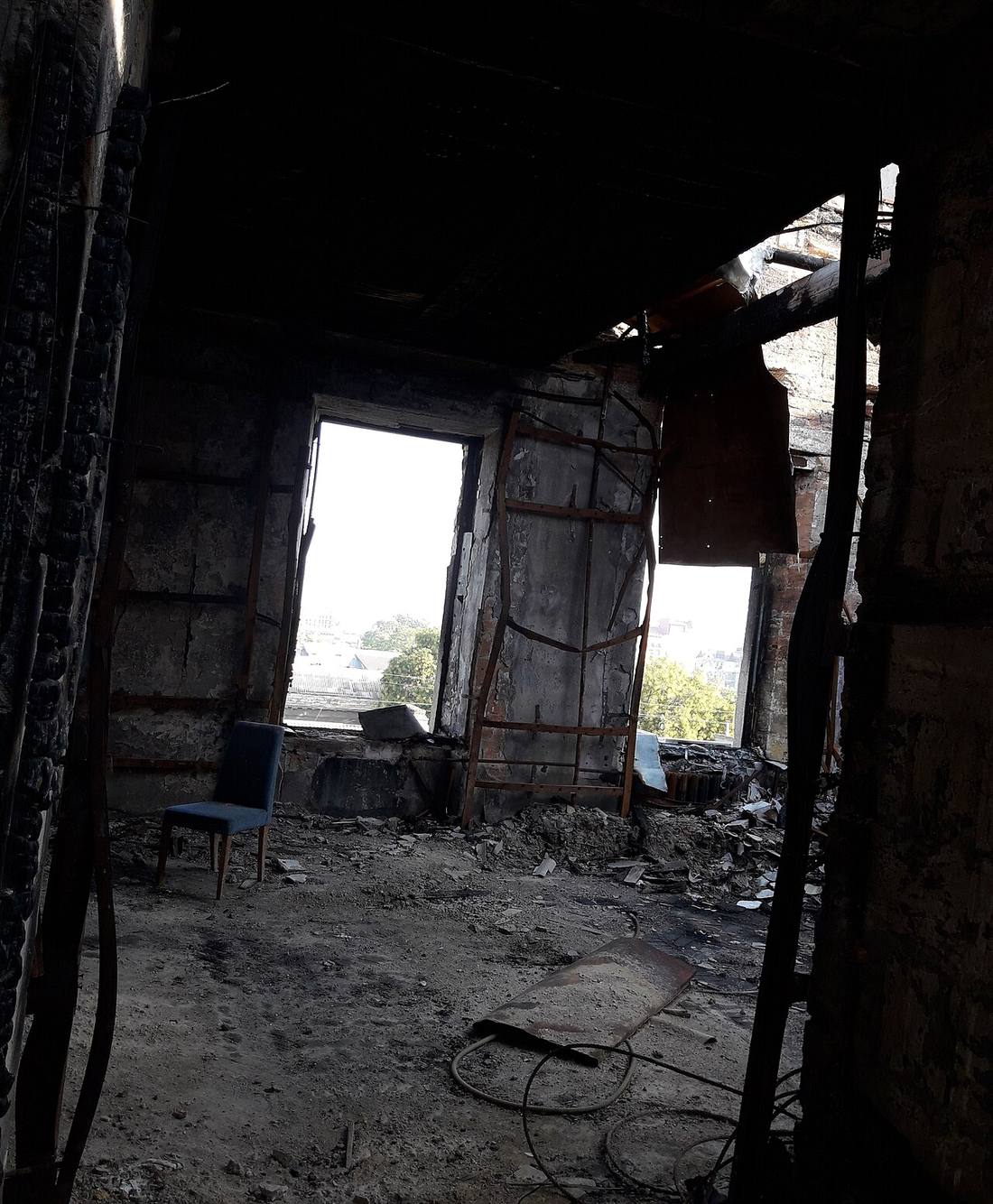
Fire Damage Restoration
Soot cleaning, odor removal, and drying after a kitchen fire, with the water left behind by fire hoses handled at the same time.
Learn more →
Standing water in a home is a problem that gets worse with every hour it sits.
One call connects you with a local provider serving Rockwall, Rowlett, Fate, and Heath.
Standing water in a home is a problem that gets worse with every hour it sits. It soaks into flooring, spreads under baseboards, seeps into wall cavities and adds weight to materials that were never meant to hold water. Water extraction in Rockwall TX is the first and most urgent part of dealing with it, removing the water that is standing in rooms, garages and low areas so that cleaning and drying can begin. Homes across Rockwall County, in the 75032 and 75087 ZIP codes, can end up with standing water for many reasons. A burst pipe can fill a kitchen in minutes, heavy rain can push water in through a doorway, and a failed appliance can leak across a laundry room floor while no one is home. Homes in Chandlers Landing and The Shores, close to Lake Ray Hubbard, can see water from storms and high water, while homes in Breezy Hill, Stone Creek and Downtown Rockwall more often deal with plumbing leaks and drainage problems. Nearby Rowlett, Fate and Heath face the same mix of causes. This page explains how water extraction works, when pumps are used and when wet vacuums are the right tool, and what happens after the standing water is out. If standing water is in your home now, the practical next step is a phone call, so a local provider can arrange a visit and bring the right equipment.
Updated: November 2026
Water extraction in Rockwall TX begins with a look at the scale of the problem. A provider will ask how much water is present, which rooms are affected, and where the water came from, because those answers decide what equipment is needed. A shallow spread across a kitchen floor is a different job from several inches of water in a garage, and water from a clean supply pipe needs different handling from water that came in from outside or from a drain.
Once the picture is clear, the standing water is removed with pumps and wet vacuums, and the water is taken out of the building and away from the foundation. After the standing water is out, a provider checks moisture in the floors, walls and subfloors, because water soaks into materials even when it has only been standing for a short time. Those readings shape the drying that follows, and they show which rooms need equipment and which are already dry.
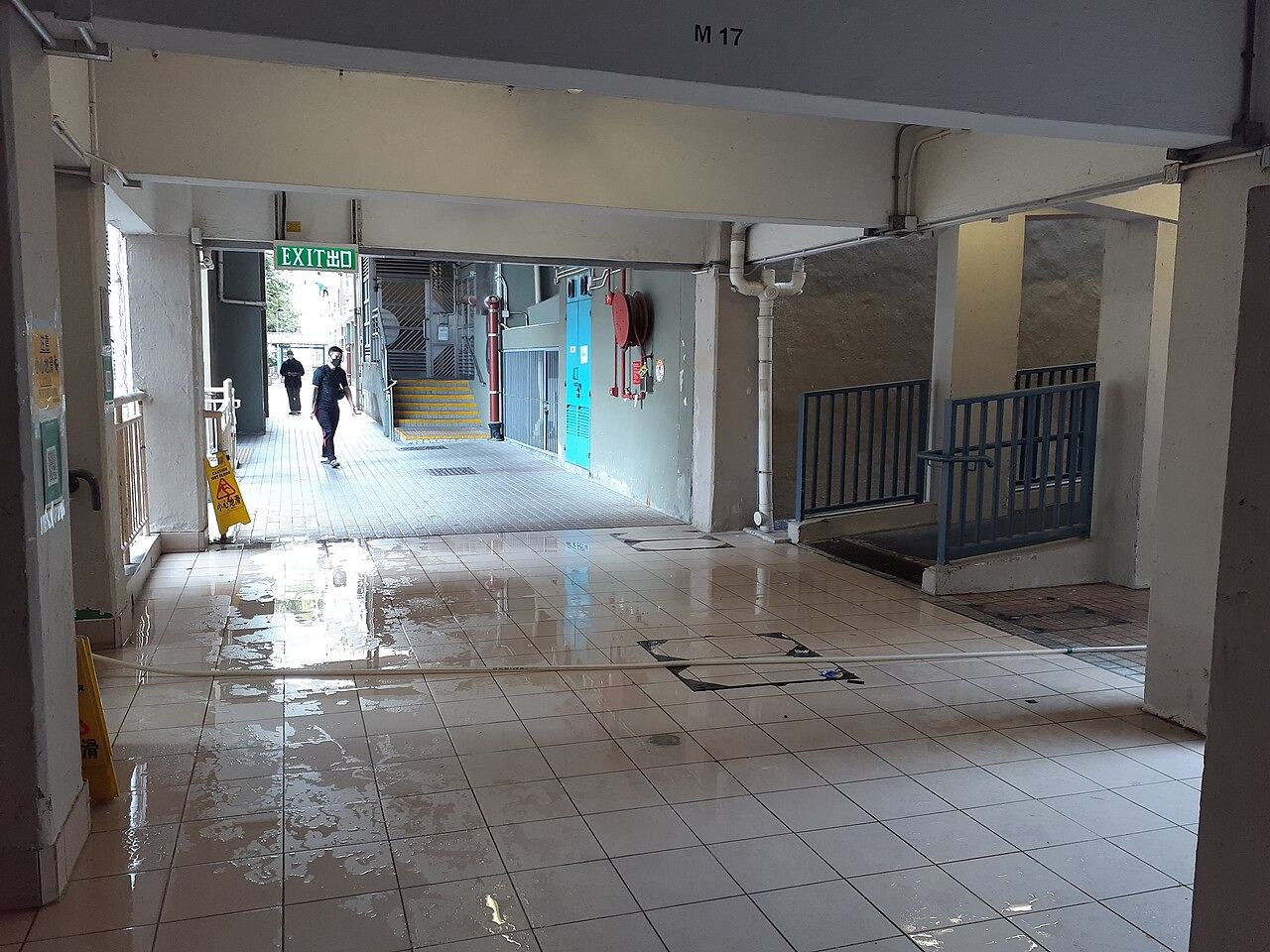
Pumps are the right tool when there is a depth of water to move, such as several inches in a garage, a sunken living room or a low-lying room after a storm. A pump can move a large volume of water quickly, and it can keep working while more water is coming in, which matters when rain is still falling or a leak has not yet been stopped. Providers bring pumps sized to the amount of water in the home, and they set them up so the water is carried out of the building and away from the foundation, rather than being left to pool outside a door.
Wet vacuums, often called wet vacs, are used for shallower water and for water that has soaked into carpet and hard floors. A wet vac pulls water out of carpet fibers and off hard surfaces, reaching into corners and along edges where a pump cannot work. In many homes, both tools are used: a pump for the deep water, and a wet vac for the rest. A provider will decide which combination fits your home after seeing the affected rooms.
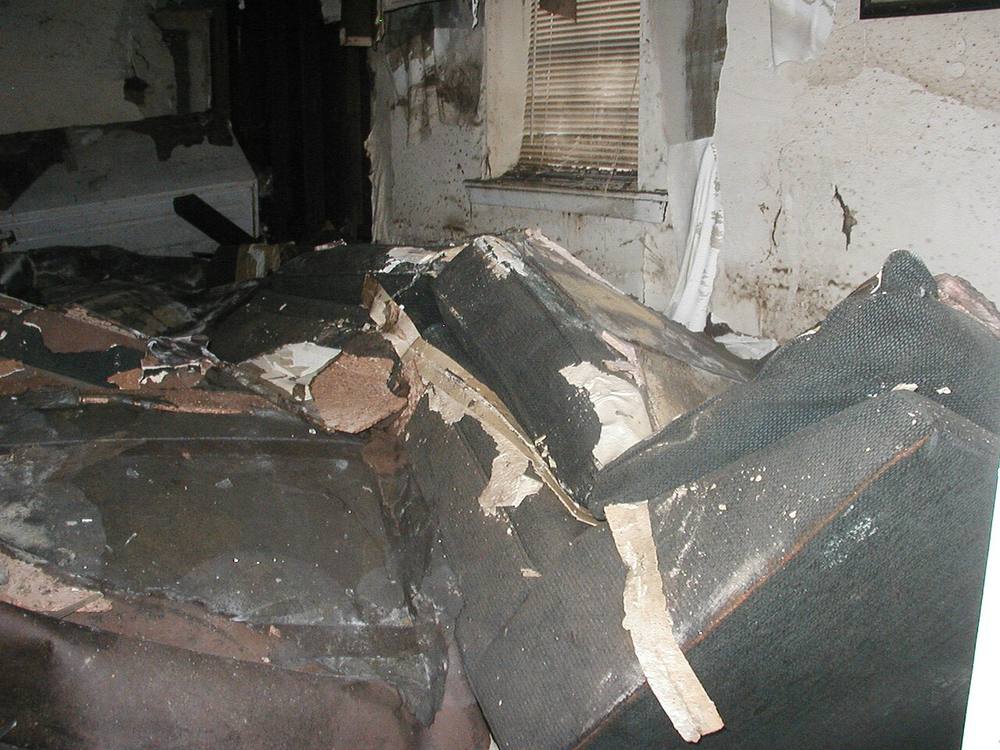
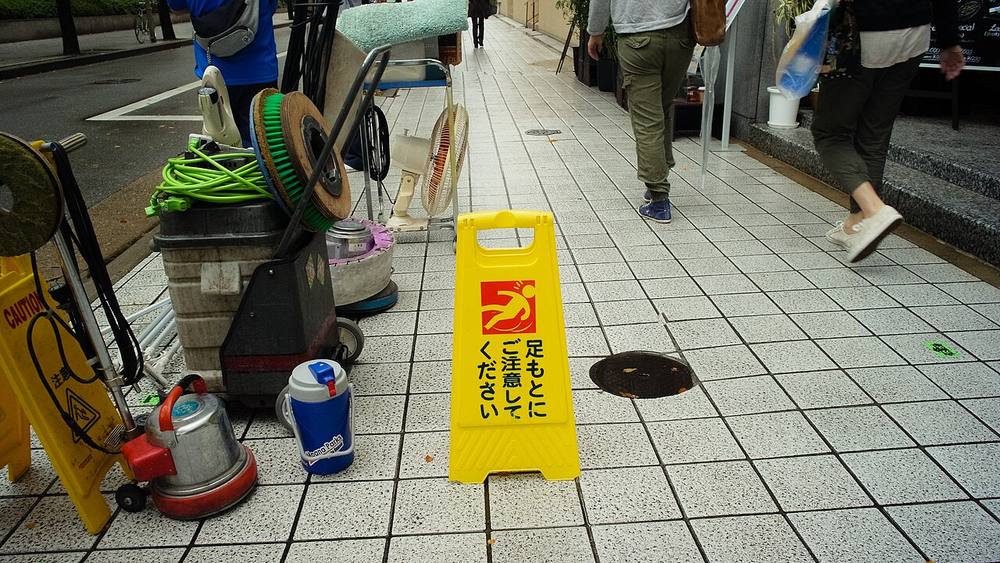
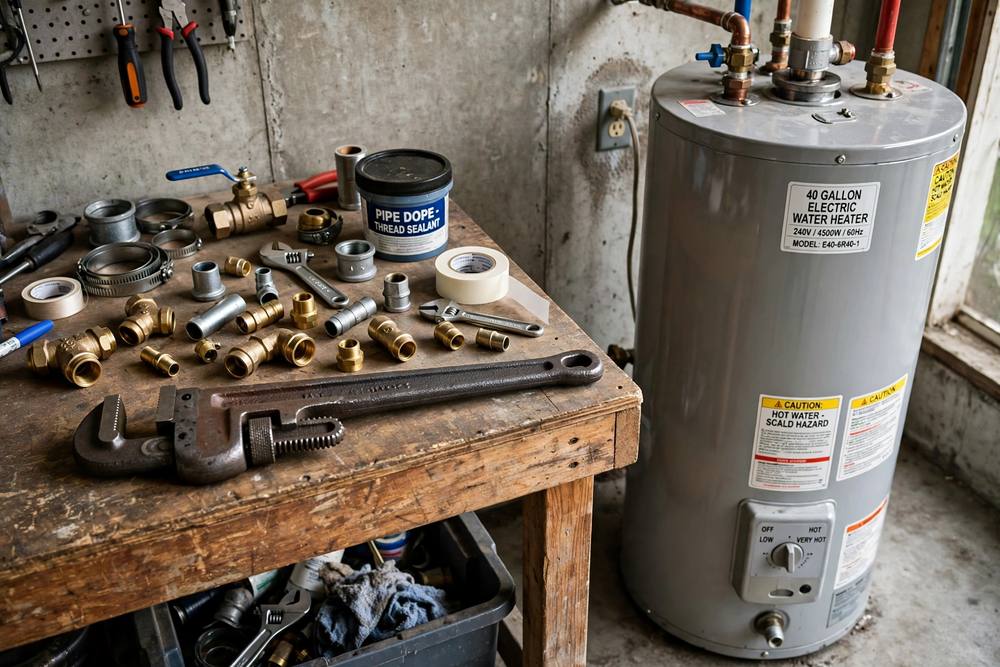
Different rooms hold standing water in different ways, and the extraction work changes to match. In a kitchen, water often comes from a dishwasher, a refrigerator line or a sink supply pipe, and it spreads across a hard floor before it finds its way under cabinets and into the subfloor. In a bathroom, water can come from a toilet, a shower or a bath, and it can spread into the hallway and into neighboring rooms before anyone notices.
Garages are a common place for standing water after heavy rain in Rockwall, especially where a driveway slopes toward the garage door or where street drains cannot carry a downpour away. Water in a garage can be several inches deep, and it can damage stored items, tools and the lower sections of walls. Extraction in a garage usually means a pump for the bulk of the water, followed by a wet vac for the remainder, and a check of the walls and the floor for moisture.
Your safety comes first, and standing water can hide hazards. Do not walk through water that may be contaminated, and do not touch electrical outlets, switches or appliances that have been in contact with water. If water has reached a breaker panel or an appliance, leave it alone and mention it on the call. If the water is coming from a burst pipe and you know where the main water shutoff is, turning it off can limit further damage, but only do so if you can reach it without walking through deep water.
If it is safe to move around, take photos of every affected room, including the water line on walls and furniture, before anything is moved or cleaned. Those photos give you a clear record of what happened. Move dry items to a safe place if you can do so without walking through the water, and set aside anything that was soaked so a provider can see it. Do not pull up flooring or cut into walls yourself before a provider has seen the damage, as that can spread moisture and make the extraction and drying harder to plan.
Extraction removes the water you can see, but it does not remove the water that soaked into the building. Carpet, underlay, wood flooring, drywall and insulation all hold water, and they release it slowly over the days that follow. That is why extraction is followed by drying, with air movers and dehumidifiers placed in the affected rooms and moisture readings taken to track progress. The drying is finished when the readings show the structure is dry through, not when the floor looks dry.
A provider will explain the drying plan after the extraction is done, including which rooms need equipment, how the equipment should be left running, and when the provider will return to take fresh readings. These decisions are made room by room, based on the moisture readings and on how long the water was standing.

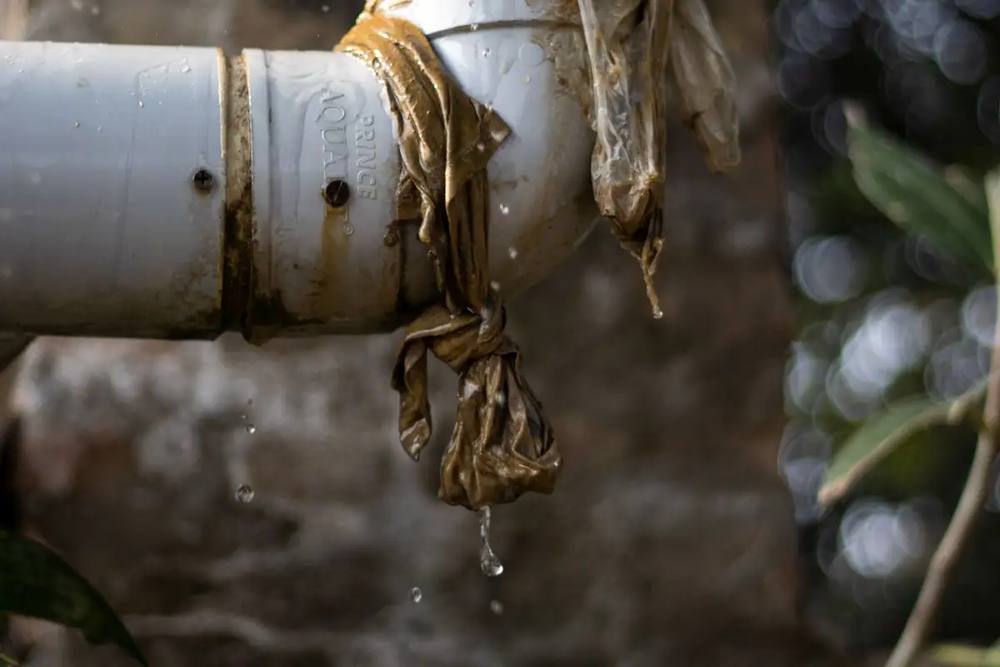
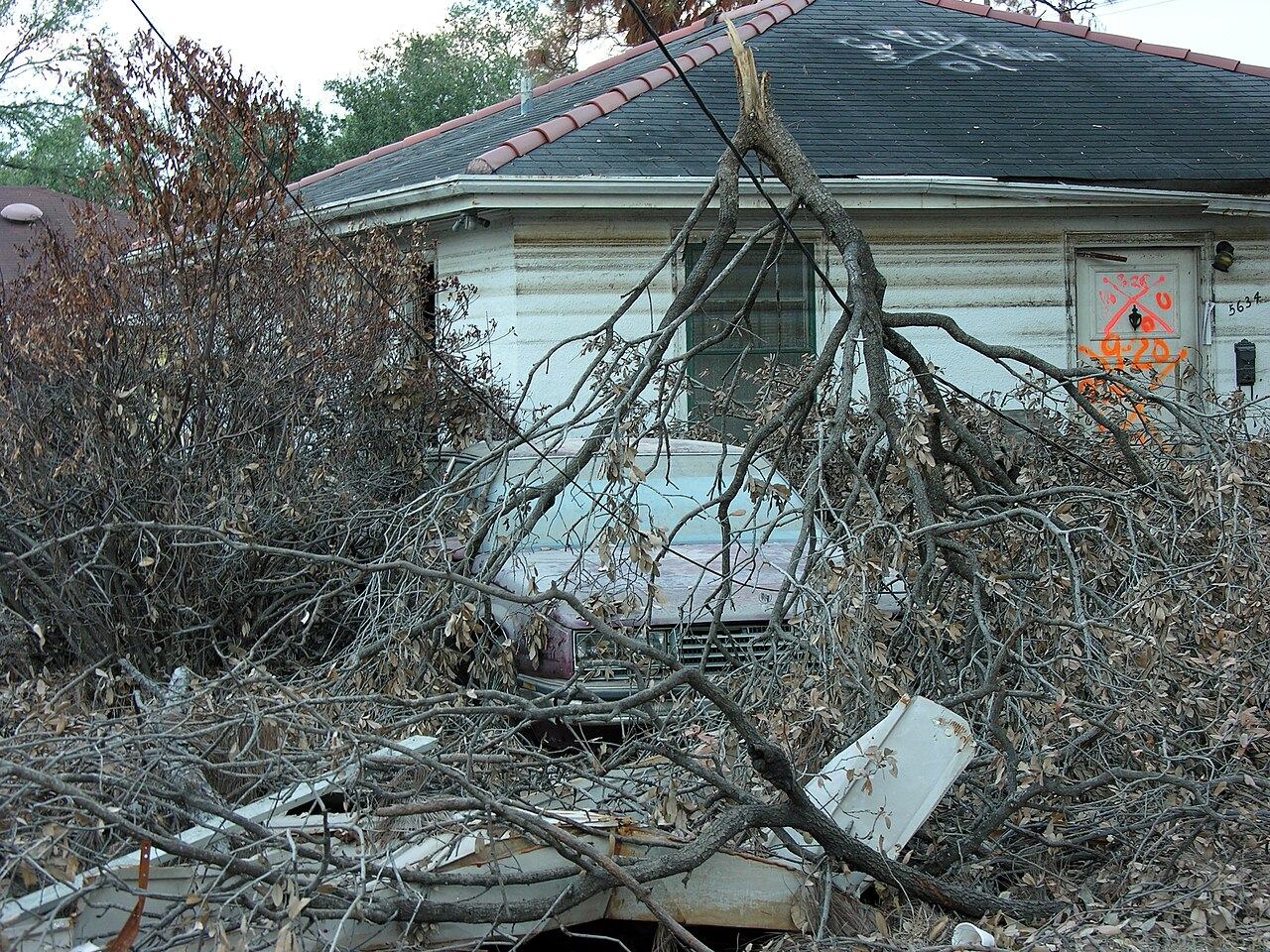
Calling is simple, and you talk to a real person who connects you with a local provider serving Rockwall. Here is how it usually goes, from the first call to the start of drying.
Call (945) 422-7610. Tell us where the water is, how long it has been there, and if power or sewage is involved.
A local provider checks the source and uses a moisture meter to find water behind drywall and under flooring.
Standing water comes out with pumps and extractors. Wet padding and damaged drywall are flagged for removal.
Air movers and dehumidifiers dry the structure, not just the surface. Readings are taken until wood and drywall test dry.
Surfaces are cleaned and treated so mold does not start. Then repair can begin.
Other help a local provider can connect you with.
Soot cleaning, odor removal, and drying after a kitchen fire, with the water left behind by fire hoses handled at the same time.
Learn more →
Containment and cleaning for musty smells and mold after a leak that was not dried in time.
Learn more →
Fast extraction and drying when a pipe bursts in an attic, a wall, or under a slab.
Learn more →If standing water is in your Rockwall home, call (945) 422-7610 any time, day or night. A local provider will talk through what has happened, explain what needs to happen next, and arrange a visit to your home in Rockwall County. Standing water does not get better by itself, and the longer it sits, the further it soaks into floors and walls, so make the call as soon as you notice it.
Water extraction in Rockwall TX is the removal of standing water from a home using pumps and wet vacuums. A provider will first look at how much water is present and where it came from, then use equipment sized to the job to move the water out of the building. Once the standing water is out, the provider checks for moisture in floors and walls and plans the drying that follows.
Pumps are used for deeper standing water, such as several inches in a garage or a low room, because they can move a large volume of water quickly. Wet vacuums are used for shallower water and for water in carpet and on hard floors, where a pump would not be practical. A provider will choose the equipment based on the depth of the water and the type of floor it is on.
It depends on how much water is present, how many rooms are affected, and whether water is still coming in. A shallow spread across one room is a different job from several inches of water across a ground floor. A provider can give a clearer picture after seeing the affected rooms and checking where the water came from.
Stay out of the water if it looks dirty or smells unusual, and avoid electrical outlets, switches and appliances that have been in contact with water. If it is safe to do so, move dry valuables to a higher, dry place and take photos of each affected room. Then call a local provider and describe what you can see.
Yes, water can soak under floor coverings, behind baseboards and into wall cavities, so the surface can look dry while moisture remains underneath. That is why a provider checks moisture in floors and walls after the standing water is out, and why drying follows extraction. Skipping the drying step can leave dampness that causes odors and damage later.
You can call any time, day or night, including weekends. A local provider will take your details, ask how much water is present and where it came from, and arrange a visit. If water is still coming into the home, mention that on the call so the provider can advise on what to do first.
If you see water, smell mustiness, or hear running water when nothing is on, call now. Water damage does not wait, and neither should you.
Call (945) 422-7610Calls answered any time, day or night — including nights, weekends, and holidays.