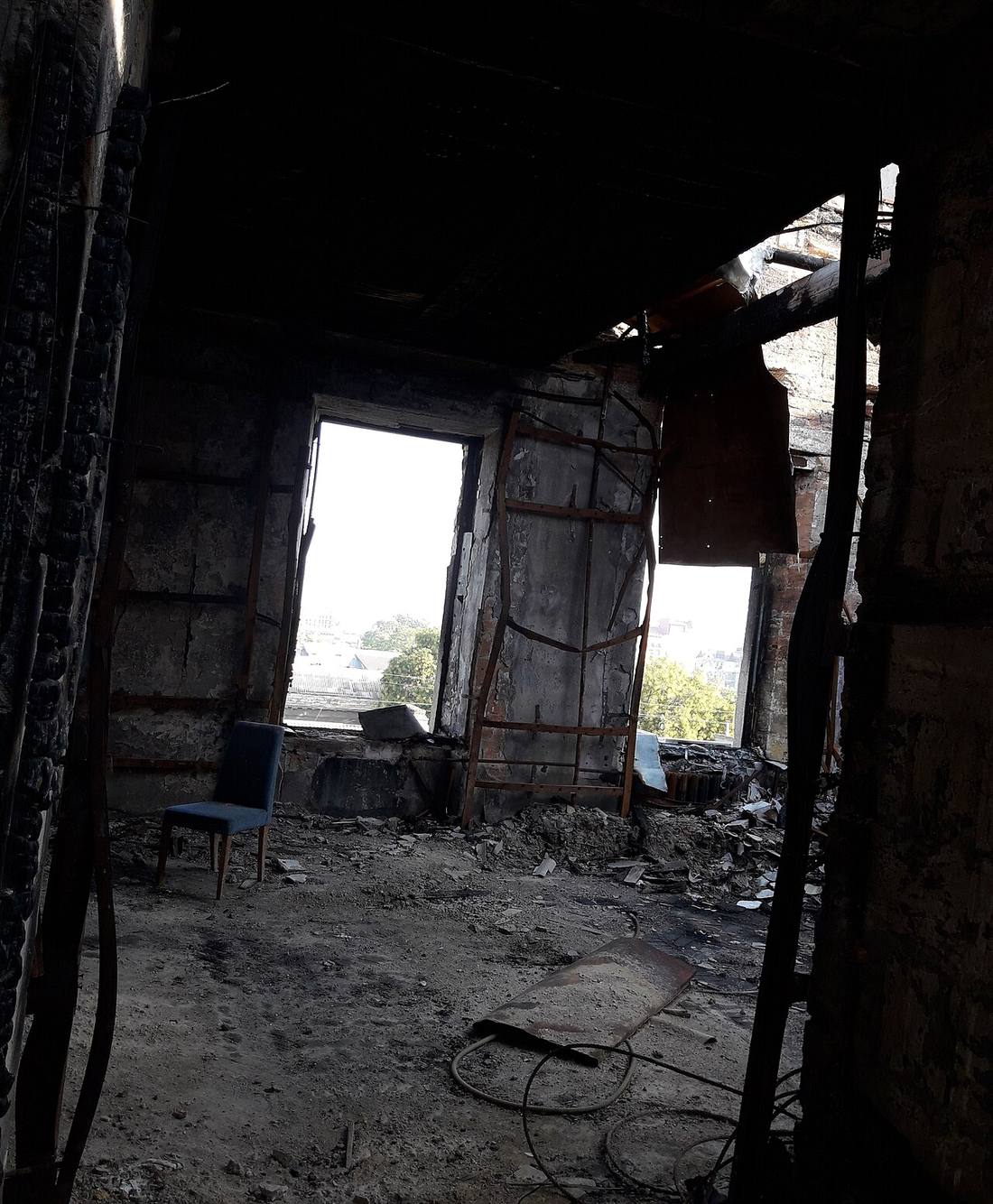
Fire Damage Restoration
Soot cleaning, odor removal, and drying after a kitchen fire, with the water left behind by fire hoses handled at the same time.
Learn more →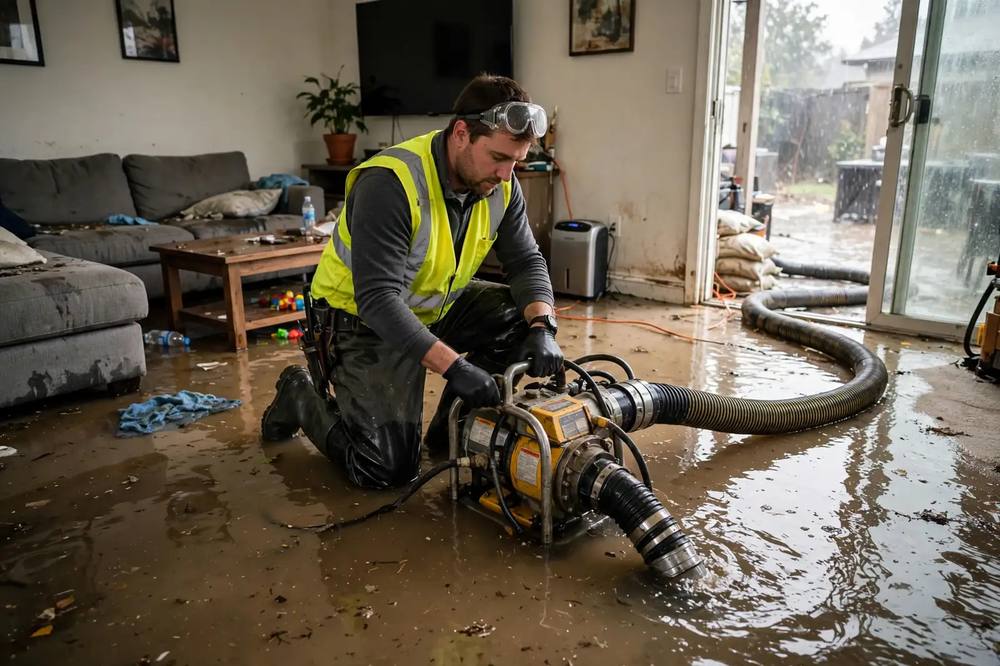
This page brings together the services available to homes and businesses in Rockwall through local providers.
One call connects you with a local provider serving Rockwall, Rowlett, Fate, and Heath.
This page brings together the services available to homes and businesses in Rockwall through local providers. Whether the problem is water from a burst pipe, flooding after a storm, smoke and soot after a fire, mold growth in a damp room, or a sewage backup, calling (945) 422-7610 connects you with providers who serve the Rockwall area. Calls are answered any time, day or night. Each service below explains what it covers and when it is needed, so you can describe your situation clearly when you call. The providers handle the hands-on work: finding the source of the problem, removing water or debris where needed, drying affected materials, and cleaning up the affected rooms. You do not need to know the exact cause before you call. Describe what you can see and smell, where the damage is, and when it started, and the provider can talk through the next steps. The services cover the whole of Rockwall, including Chandlers Landing, Breezy Hill, The Shores, Stone Creek, and Downtown Rockwall, and nearby cities including Rowlett, Fate, and Heath. If you are not sure which service fits your situation, call (945) 422-7610 and describe what has happened. The provider can help you work out what is needed.
Updated: November 2026
Water damage restoration covers the full process after water gets into a home or business, from finding the source to drying and cleaning up the affected rooms. It applies to leaks from pipes, appliances, and water heaters, as well as to water that enters through a roof or a doorway. A provider can remove standing water, check for hidden dampness in walls and floors, and dry the affected materials with professional equipment.
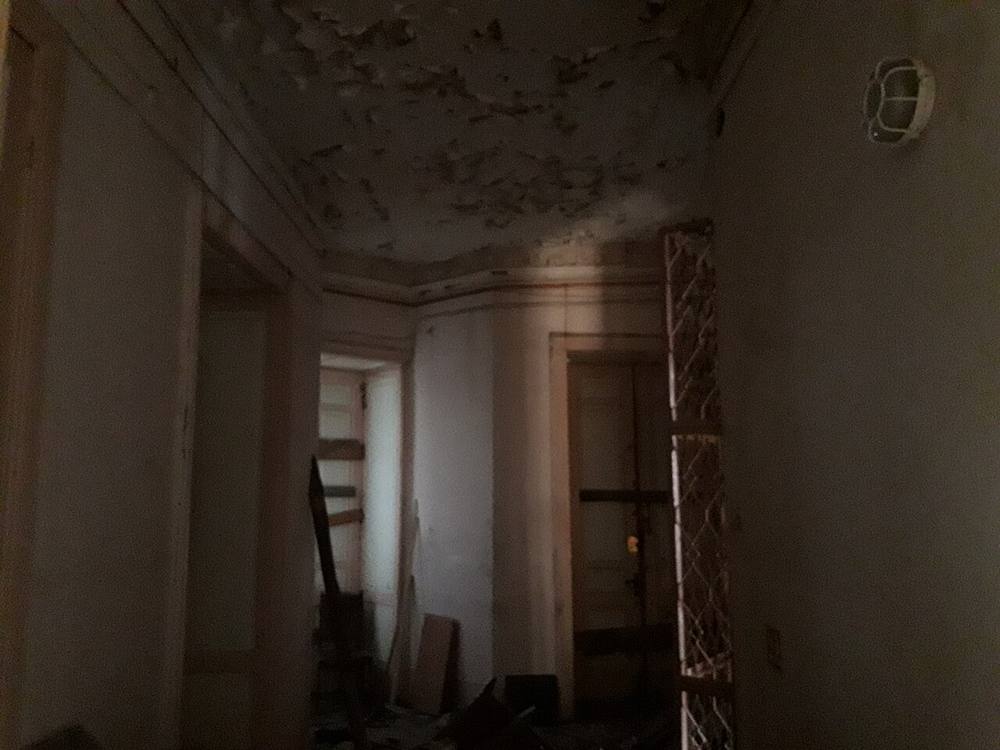
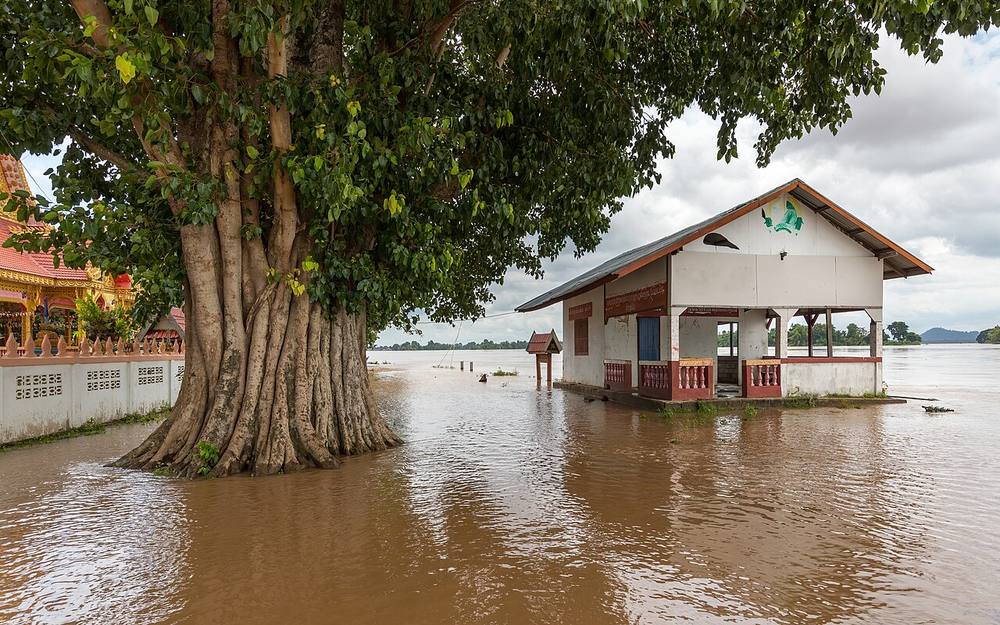
Flood damage restoration is for homes and businesses affected by flooding, whether from heavy rain, rising water, or a large leak that spreads across several rooms. Floodwater can soak flooring, drywall, and furnishings, and it can carry dirt and debris into the building. Providers can help remove the water, clear debris, and dry the affected rooms, and can advise on which materials may need to be removed to dry fully.
Fire damage restoration is for homes and businesses after a fire, including damage from smoke and soot as well as from the water used to put the fire out. Smoke can spread through a building and leave soot and odour in rooms that were not touched by flames. Providers can help assess the affected areas, clean soot from surfaces, and dry rooms that were soaked during firefighting. If the building is not safe to enter, do not go inside until you are told it is safe.
Mold remediation is for homes and businesses where mold has grown in damp areas, such as bathrooms, basements, and rooms affected by a leak. Mold often appears after water damage, especially where materials have stayed damp. Providers can help find the source of the moisture, contain the affected area, remove mold-affected materials where needed, and dry the area. Fixing the moisture source is an important part of the work, so the mold does not return.
Sewage cleanup is for backups and overflows from sewer lines, toilets, and drains. Sewage water should be treated with care, and it is best to avoid contact with it and to keep people and pets away from the affected area. Providers can help remove the water, clean and disinfect the affected surfaces, and dry the rooms involved. If water is coming up through a drain or toilet, avoid using nearby fixtures until a provider has advised you.
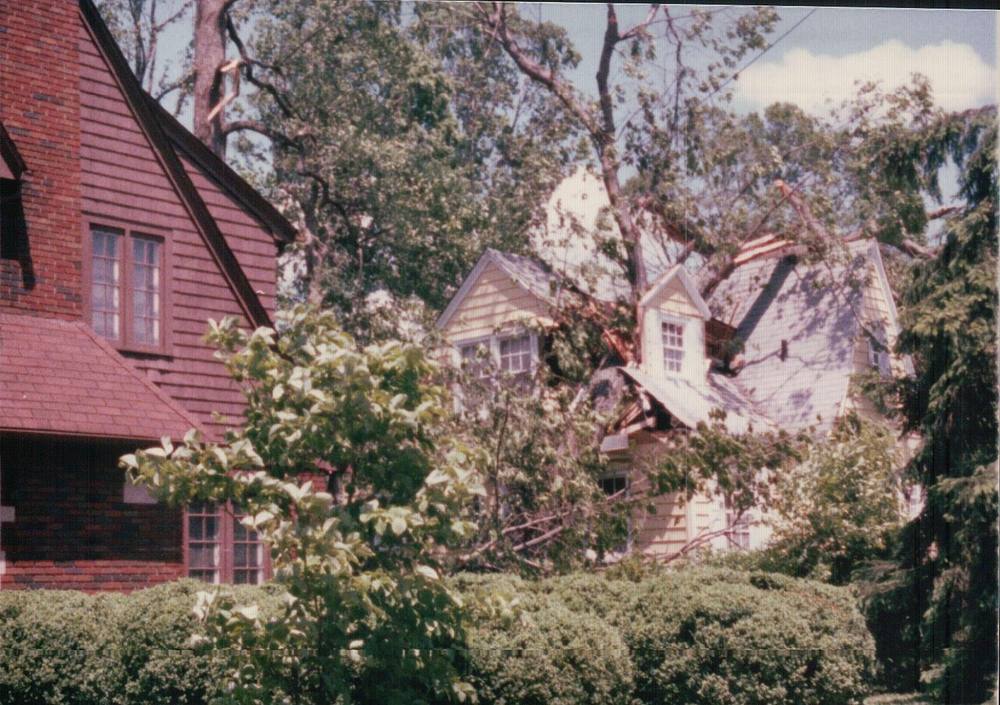
Storm damage repair is for homes and businesses damaged by severe weather, including heavy rain, wind, and hail. A storm can damage a roof, break windows, and push water into rooms through openings in the building. Providers can help assess the damage, remove water that has entered, and dry the affected rooms. It helps to note which rooms are affected and whether water is still coming in when you call.
Structural drying focuses on drying the structure of a building after water damage, including walls, floors, ceilings, and framing. Materials such as drywall, insulation, and wood can hold moisture long after a floor looks dry on the surface. Providers use drying equipment and moisture checks to help bring those materials back to a dry condition. In some cases, wet materials may need to be removed so the structure underneath can dry properly.
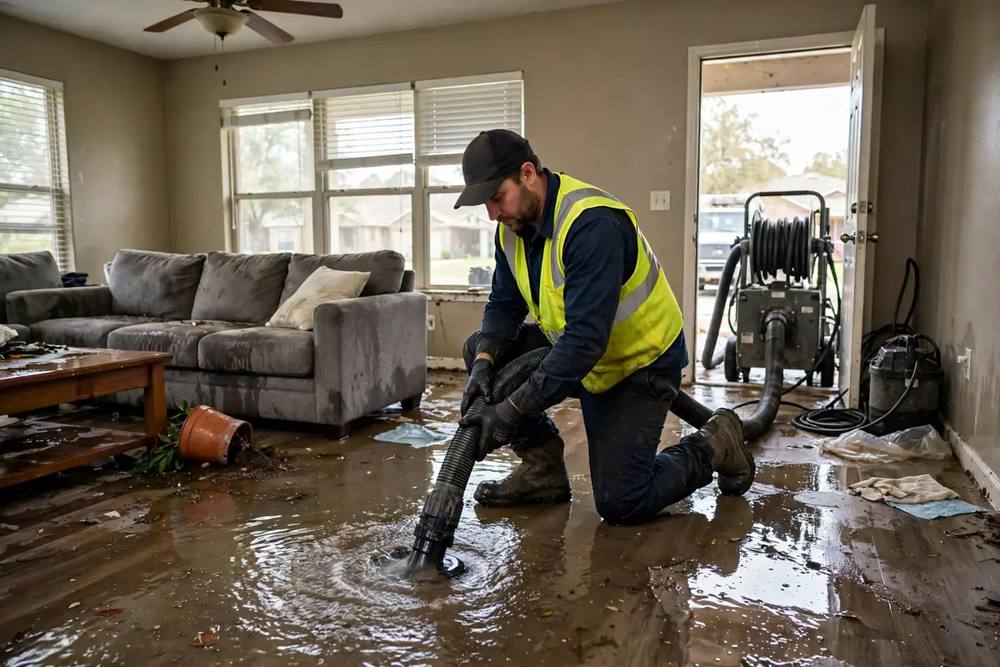
Water extraction is the removal of standing water from floors, carpets, and lower levels after a leak or flood. Removing water quickly can limit how far it spreads into flooring, walls, and furnishings. Providers use extraction equipment to remove water from affected rooms, including garages and lower levels. After extraction, drying equipment can help with the moisture that remains in floors and walls.
Dehumidification is the process of removing moisture from the air in a damp room or building, which helps wet materials dry and reduces the damp feeling after water damage. It is often used alongside other drying equipment after extraction, especially in enclosed rooms, basements, and lower levels. Providers can set up dehumidification equipment and monitor moisture levels as the area dries.
Burst pipe cleanup is for homes and businesses where a pipe has burst or cracked and released a large amount of water in a short time. The first step is to stop the water, usually by turning off the main shutoff, if it is safe to do so. Providers can then help remove the standing water, check which rooms are affected, and dry floors, walls, and furnishings. It helps to note where the pipe is and how much water has spread when you call.
Every service starts with the same call.
Soot cleaning, odor removal, and drying after a kitchen fire, with the water left behind by fire hoses handled at the same time.
Learn more →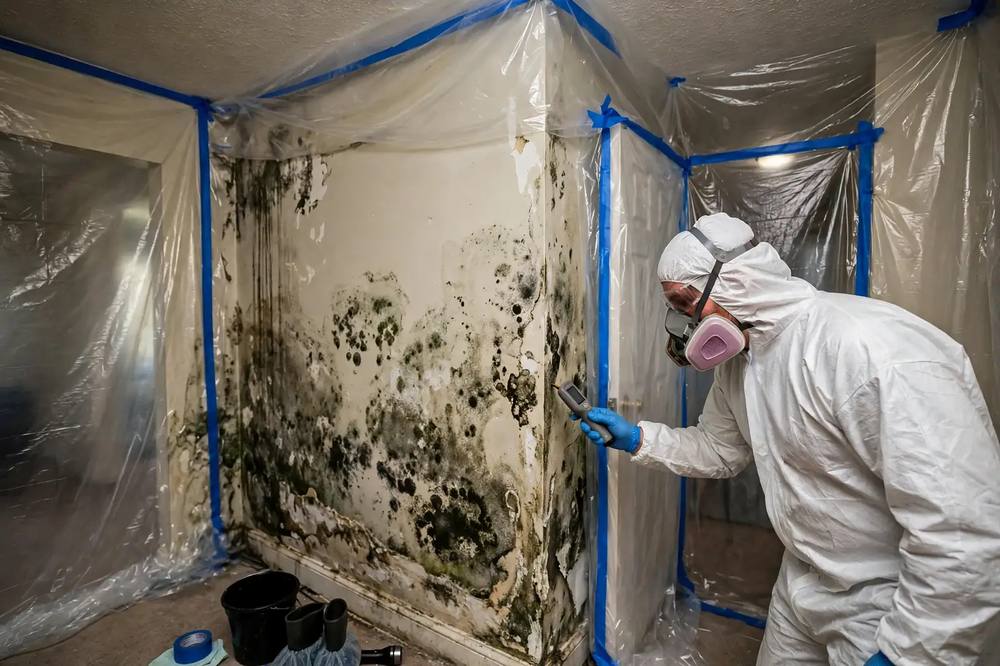
Containment and cleaning for musty smells and mold after a leak that was not dried in time.
Learn more →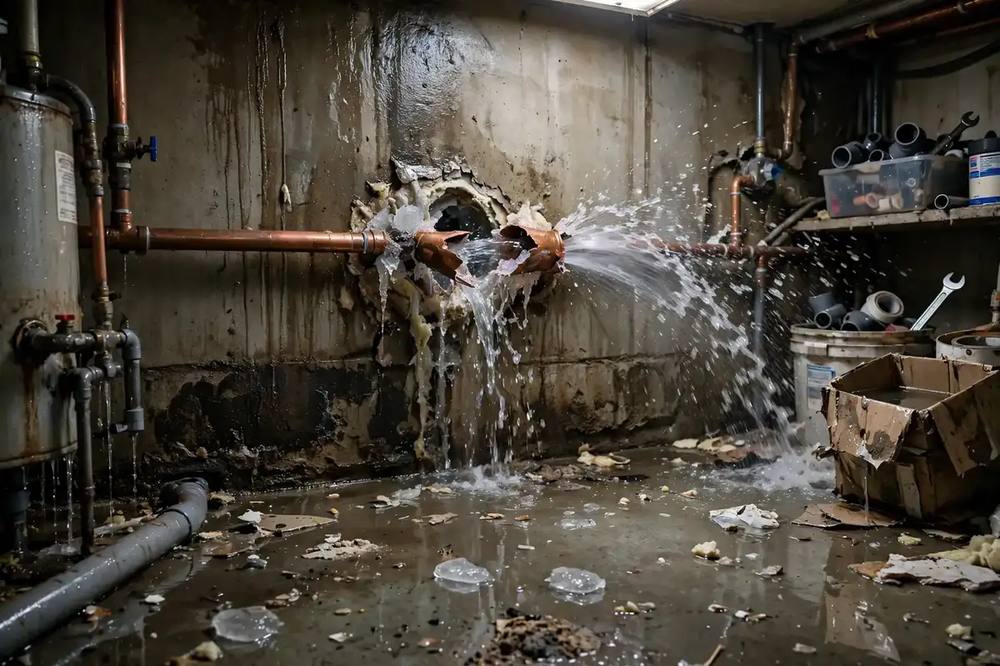
Fast extraction and drying when a pipe bursts in an attic, a wall, or under a slab.
Learn more →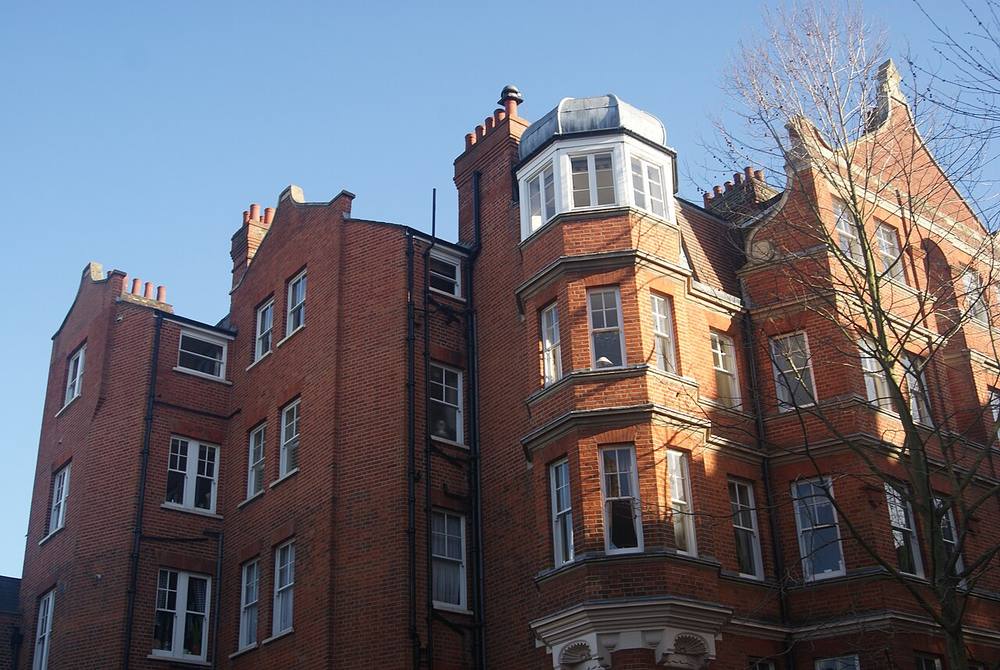
Standing water removal, flood water extraction, and drying after storm or lake water comes inside.
Learn more →
Careful handling and thorough cleaning when a backup brings sewage into a home.
Learn more →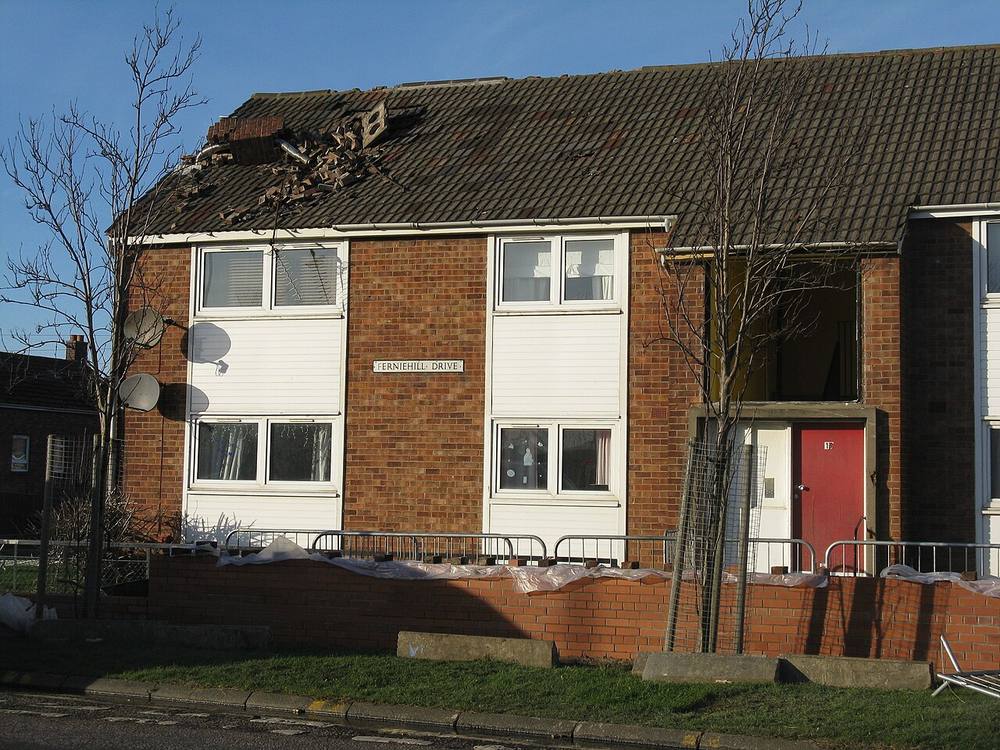
Roof leaks, fallen trees, and water that came in during a Texas storm.
Learn more →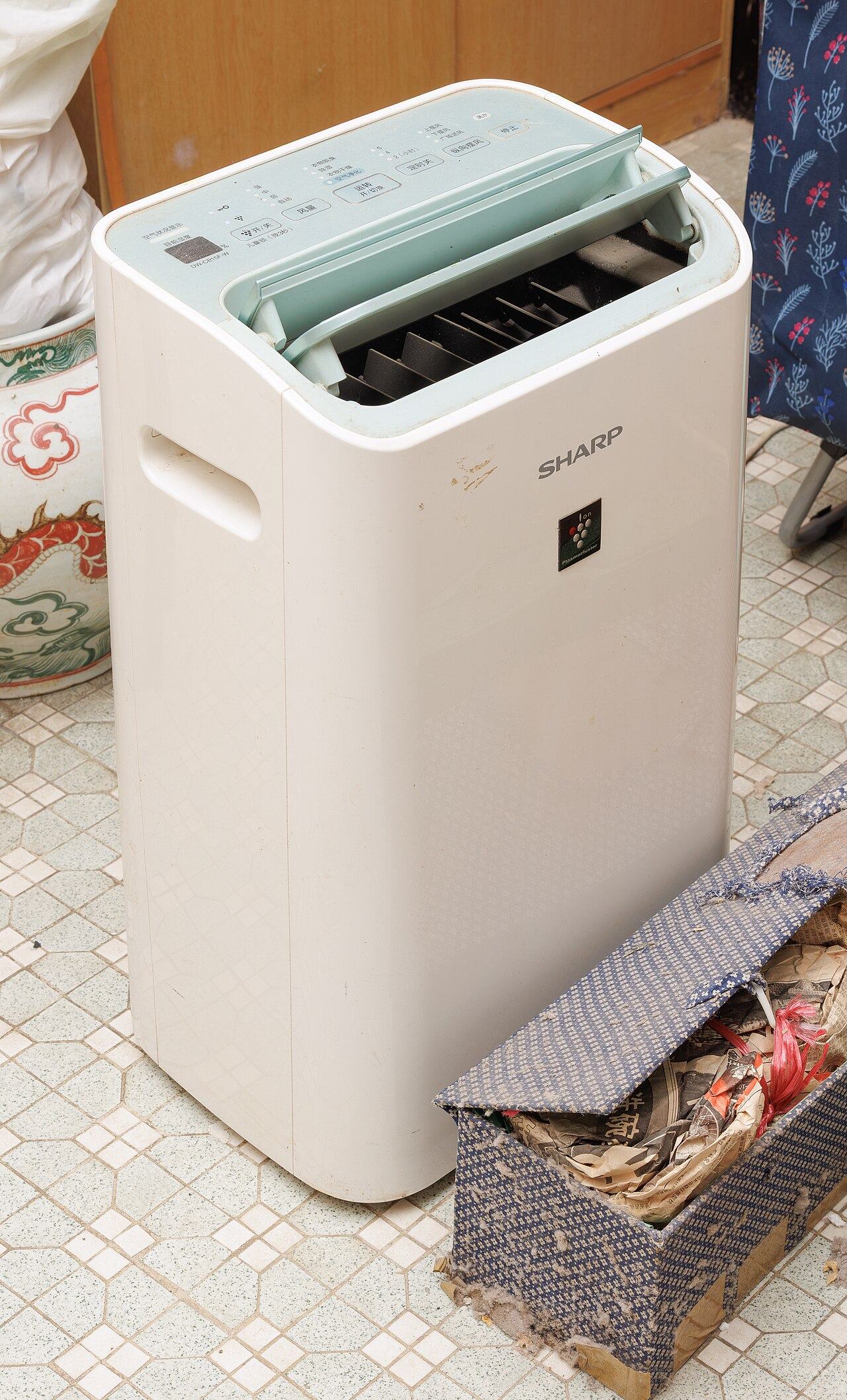
Deep drying of walls, subfloors, and framing so moisture does not stay trapped inside the structure.
Learn more →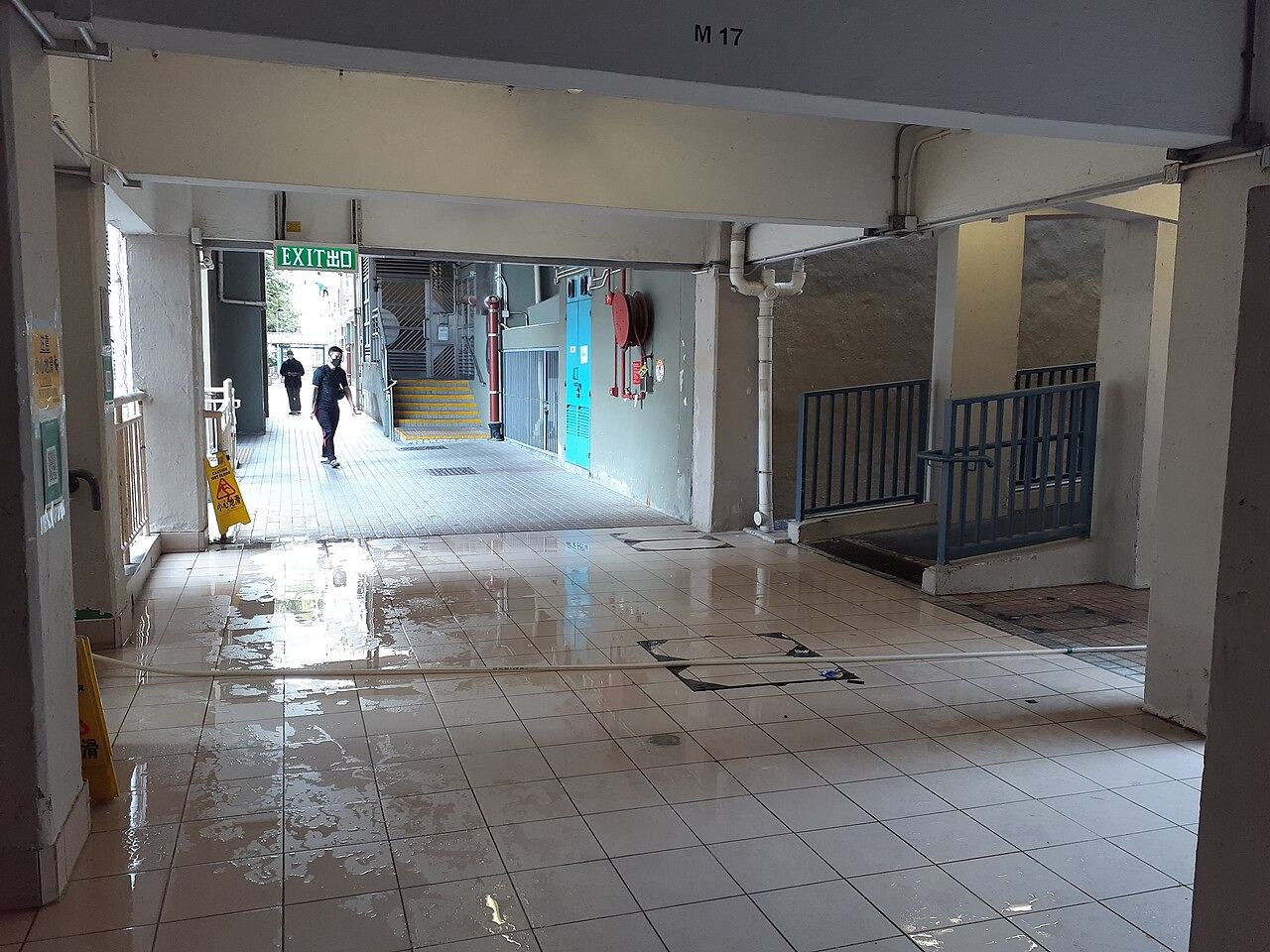
Pumps and extractors that remove standing water fast, before it soaks deeper into floors and walls.
Learn more →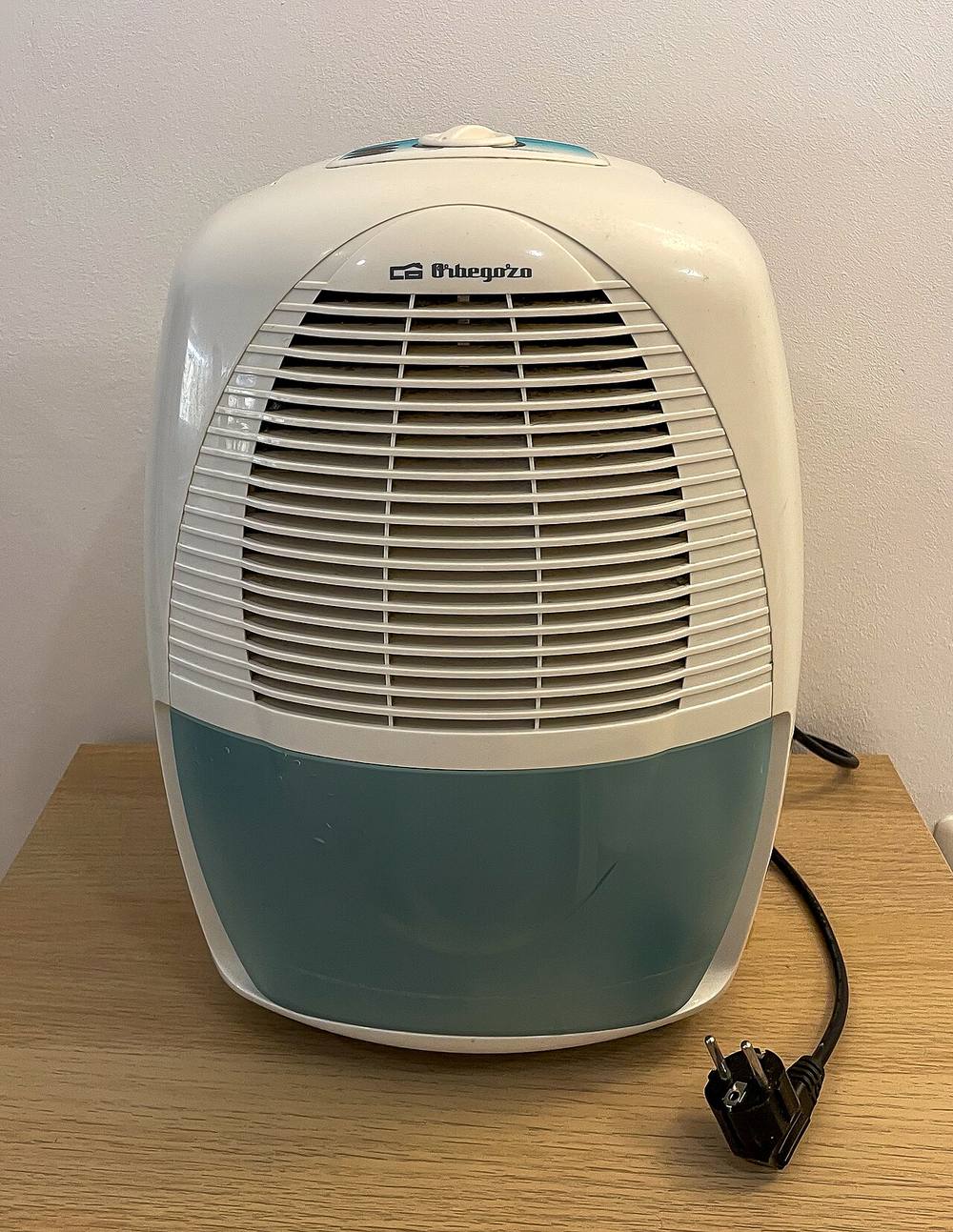
Air movers and dehumidifiers that dry the structure, not just the surface, with moisture readings until it tests dry.
Learn more →If you need help with any of these services in Rockwall, call (945) 422-7610 any time, day or night. Calls connect you with local providers who can talk through what has happened, explain what help is available, and arrange a visit to your home or business.
Call (945) 422-7610 and describe what happened, where the water or damage is, and when it started. The provider can talk through the situation and arrange help. If water is still flowing, shut it off at the fixture or at the main shutoff first, if it is safe to do so.
It helps to know where the water or damage is, which rooms are affected, when it started, and whether water is still coming in. For fire or storm damage, note which rooms are affected and whether the building is safe to enter. Photos of the affected areas can be useful if it is safe to take them.
Yes. Providers serve homes and businesses across Rockwall, including Chandlers Landing, Breezy Hill, The Shores, Stone Creek, and Downtown Rockwall, as well as Rowlett, Fate, and Heath. When you call, mention your neighbourhood or city so the provider can plan the visit.
Calls are answered any time, day or night, including evenings, weekends, and holidays. If you find water damage or another urgent problem at night, call (945) 422-7610 and a provider can talk through what to do next.
A provider will usually start by finding the source of the problem and checking which rooms are affected. After that, the provider can remove standing water where present, begin drying affected materials, and talk through what else may be needed. The exact steps depend on the type and extent of the damage.
Leave heavy wet furniture where it is rather than lifting it yourself. Small dry items can be moved out of the way if it is safe to do so. A provider can advise on shifting wet furnishings and on which materials may need to be lifted or removed so the area underneath can dry.
If you see water, smell mustiness, or hear running water when nothing is on, call now. Water damage does not wait, and neither should you.
Call (945) 422-7610Calls answered any time, day or night — including nights, weekends, and holidays.